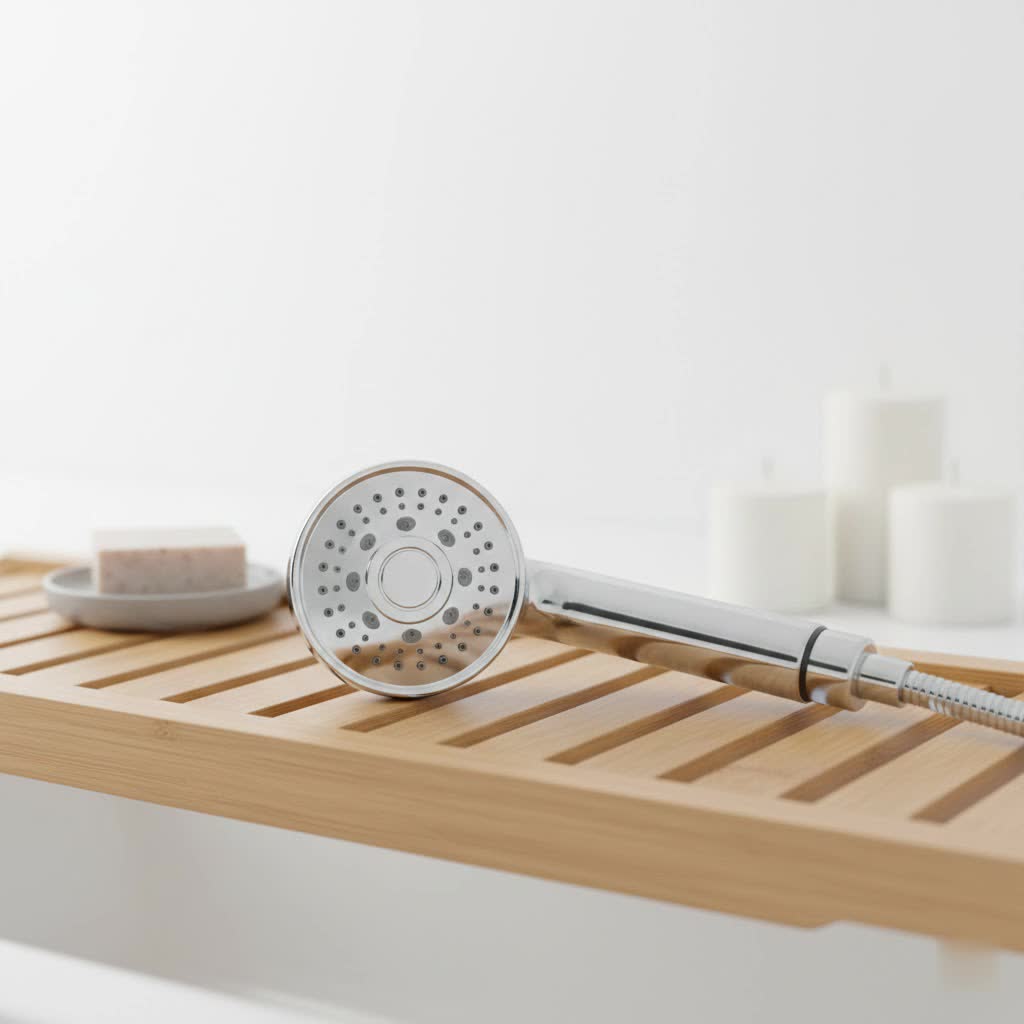
Are you tired of your everyday shower feeling less like a refreshing escape and more like a routine chore? Imagine stepping into your bathroom and being greeted by a broad, flowing stream of water that mimics the invigorating cascade of a natural waterfall. A waterfall shower head transforms your daily cleanse into an energizing, spa-like ritual, offering a distinct blend of luxury and powerful performance. This comprehensive guide will explore everything you need to know about these unique fixtures, from their varied types and benefits to essential buying considerations, installation tips, and maintenance advice, helping you choose the perfect waterfall shower head to elevate your bathroom sanctuary.
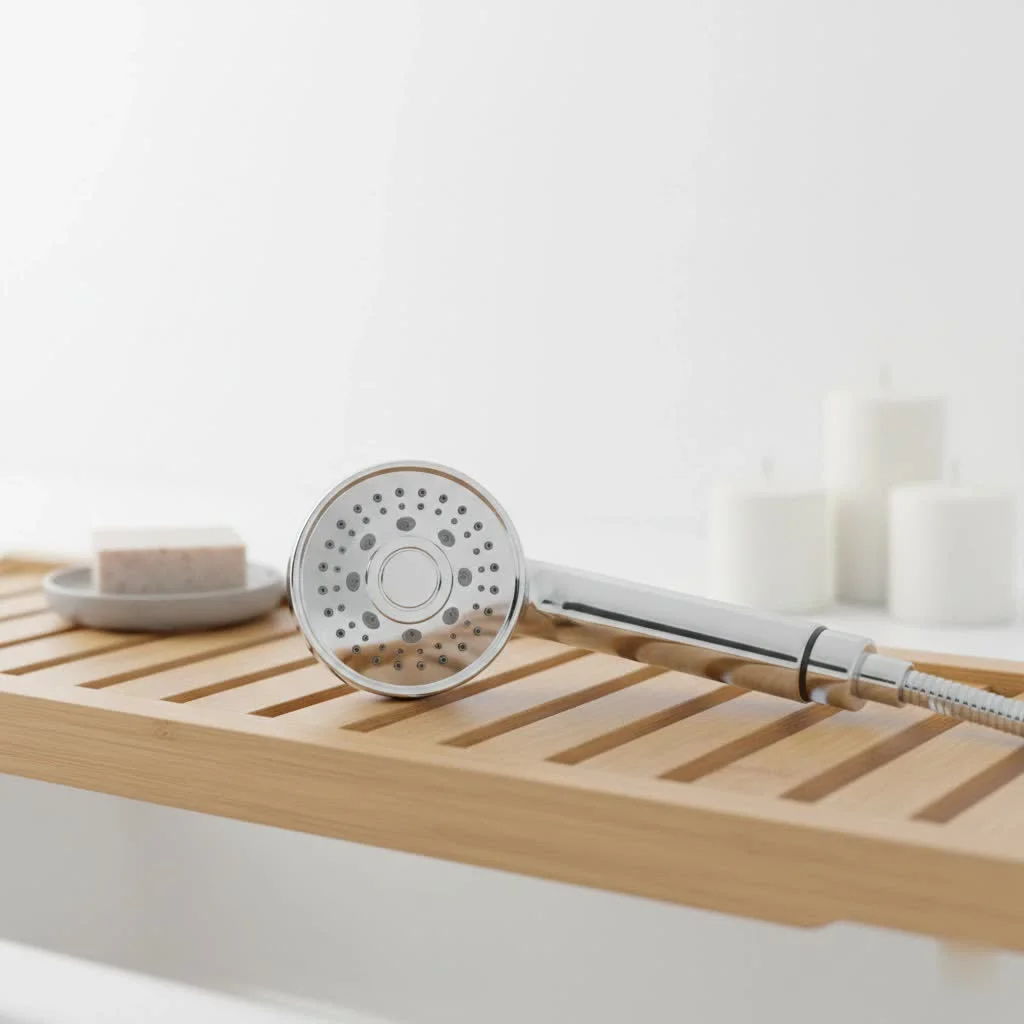
Waterfall Shower Head: Overview and Evolution
A waterfall shower head is more than just a fixture; it’s an experience designed to replicate the sensation of standing beneath a natural waterfall, providing a powerful and intense stream of water. Unlike traditional shower heads that offer a more focused, narrow spray, waterfall models typically feature a wider, more open-flow outlet that releases a continuous, non-aerated sheet of water. This unique design delivers an immersive and invigorating shower that massages the body and awakens the senses, often preferred by those seeking an energizing start to their day or a revitalizing rinse after physical activity.
The evolution of shower heads has moved from basic utilitarian designs to sophisticated systems focused on enhancing the bathing experience. While early showers were purely functional, modern innovations have introduced elements like varied spray patterns, water conservation technologies, and aesthetic integration into bathroom design. Waterfall shower heads represent a pinnacle in this evolution, merging advanced hydrodynamics with contemporary aesthetics to create a focal point that is both beautiful and highly functional. They have gained popularity for their ability to deliver a luxurious, spa-like feel right at home, setting them apart from standard rainfall or fixed shower heads.
The market now offers a diverse range of waterfall shower heads, each with unique features and installation methods. From sleek, minimalist designs that blend seamlessly into modern bathrooms to more elaborate systems featuring integrated lighting or multiple spray functions, there’s a waterfall shower head to suit almost any preference and bathroom style.
Categorizing Waterfall Shower Heads by Function and Design
Waterfall shower heads offer a spectrum of designs and functionalities tailored to different preferences and bathroom setups. Understanding these classifications can help you pinpoint the ideal model for your home.
Fixed Waterfall Shower Heads
Fixed waterfall shower heads are typically mounted directly to the wall or ceiling, providing a steady, consistent sheet of water from a permanent position. They are known for their minimalist aesthetics and seamless integration into modern bathroom designs.
- Pros: Offer a clean, uncluttered look; provide a consistent, wide sheet of water for full body coverage; durable due to fewer moving parts.
- Cons: Lack flexibility for targeted rinsing; can be challenging to clean the entire shower area.
- Popular Designs: Often square or rectangular, available in various sizes from 8-inch to larger, expansive panels.
Handheld Waterfall Shower Heads
|
Our Picks for the Best Shower Head in 2026
As an Amazon Associate I earn from qualifying purchases.
|
||
| Num | Product | Action |
|---|---|---|
| 1 | SparkPod Shower Head - High Pressure Rain - Premium Quality Luxury Design - Easy Clean Adjustable Replacement for Your Bathroom Shower Heads (Midnight Black Matte, 6 Inch Round) |

|
| 2 | Shower Head with Handheld High Pressure, Rain Shower Head with Fixed Showerhead and 9 Sprays Handheld Shower, Detachable 2-IN-1 Shower head with 59" Rotatable Stainless Steel Hose (Chrome) |
|
| 3 | High Pressure Rain Shower Head: Upgrade Shower Heads with Handheld Spray Combo with Fixed Showerhead and 10 Sprays Handheld Shower Head, Detachable Showerheads Built-in Magnetic Docking and Power Jets |
|
| 4 | SparkPod Shower Head - High Pressure Rain - Premium Quality Luxury Design - Easy Clean Adjustable Replacement for Your Bathroom Shower Heads (Elegant Brushed Nickel, 6 Inch Round) |
|
| 5 | Cobbe All Metal Shower Head with Handheld – Solid Stainless Steel 3-Mode High Pressure Showerhead, Detachable Wand with 59" Hose & Adjustable Bracket Water Saving Eco-Flow, Brushed Nickel |
|
| 6 | High Pressure Rain Shower Head: Upgrade Shower Heads with Handheld Spray Combo with Fixed Showerhead and 10 Sprays Handheld Shower Head, Detachable Shower head Built-in Power Jets |
|
| 7 | High Pressure Rain Shower Head: Upgrade Shower Heads with Handheld Spray Combo with Fixed Showerhead and 10 Sprays Handheld Shower Head, Detachable Showerheads Built-in Magnetic Docking and Power Jets |
|
| 8 | SparkPod Shower Head - High Pressure Rain - Premium Quality Luxury Design - Easy Clean Adjustable Replacement for Your Bathroom Shower Heads (Charcoal Grey, 6 Inch Round) |
|
| 9 | SparkPod Shower Head - High Pressure Rain - Premium Quality Luxury Design - Easy Clean Adjustable Replacement for Your Bathroom Shower Heads (Luxury Polished Chrome, 6 Inch Round) |
|
| 10 | SparkPod Shower Head - High Pressure Rain - Premium Quality Luxury Design - Easy Clean Adjustable Replacement for Your Bathroom Shower Heads (Egyptian Gold, 6 Inch Round) |
|
While less common as a primary waterfall effect, some modern shower systems incorporate a handheld component that can mimic a waterfall or offer a complementary invigorating stream alongside a fixed head. These offer enhanced flexibility.
- Pros: Excellent for targeted rinsing, cleaning the shower, or assisting with bathing children and pets; offers versatility.
- Cons: The primary “waterfall” effect may be less grand than dedicated fixed units; requires a hose and holder, which can disrupt a minimalist aesthetic.
- Features & Flexible Applications: Often come with multiple spray settings in addition to a wide, gentle flow; ideal for dual shower setups.
High-Pressure Waterfall Shower Heads
For homes with naturally low water pressure, high-pressure waterfall shower heads are engineered to deliver a robust, invigorating stream. They often use air-injection technology or optimized internal designs to maximize water force.
- Mechanism & Benefits: These heads increase water velocity, ensuring a satisfying shower experience even in challenging plumbing conditions. The enhanced pressure can provide a more effective rinse and a more stimulating massage.
- Suitable for low water pressure: They are specifically designed to overcome weak water flow, making a luxurious waterfall experience accessible to more households.
Water-Saving Waterfall Shower Heads
Modern manufacturing prioritizes sustainability, and many waterfall shower heads incorporate water-saving technologies without compromising the showering experience.
- Technology Used: Flow restrictors and aerators are common, reducing gallons per minute (GPM) while maintaining a feeling of ample water. Many models are capped at 2.5 GPM, with some even lower to meet state regulations.
- Benefits: Contributes to environmental sustainability by conserving water resources; helps reduce utility bills through lower water consumption.
Massage Waterfall Shower Heads
Some multi-function shower heads include a “waterfall” setting as one of several options, alongside more focused or pulsating massage sprays.
- Massage Modes: Offer various settings, from a gentle, wide cascade to more concentrated, pulsing streams designed to relieve tension.
- Benefits for Health & Relaxation: The massaging action can help soothe sore muscles, improve blood circulation, and reduce stress, enhancing overall well-being.
Filtered Waterfall Shower Heads
These shower heads are designed with integrated filters to improve water quality, beneficial for both health and plumbing longevity.
- Purpose: Filters can remove impurities such as sediment, rust, and chlorine, which are common in tap water.
- Benefits for Skin & Hair: Reduces exposure to harsh chemicals and contaminants, leading to softer skin and healthier, shinier hair. It can also help prevent limescale buildup within the shower head itself.
Comparison Table of Waterfall Shower Head Types
Choosing the right waterfall shower head involves weighing various factors. Here’s a comparative overview to help you make an informed decision:
| Feature | Fixed Waterfall | Handheld Waterfall (as part of combo) | High-Pressure Waterfall | Water-Saving Waterfall | Massage Waterfall | Filtered Waterfall |
|---|---|---|---|---|---|---|
| Function | Consistent, wide cascade | Targeted rinsing, versatile | Powerful, invigorating stream | Eco-friendly, efficient | Therapeutic, stress relief | Cleaner water, skin/hair care |
| Design | Sleek, often rectangular | Integrated with hose & holder | Varied, can be sleek | Varied, subtle adaptations | Varied, multi-mode | Often larger, visible filter |
| Price | Mid to High | Mid to High (as part of system) | Mid to High | Mid | Mid to High | Mid to High |
| Pros | Aesthetic, immersive | Flexible, easy cleaning | Effective for low pressure | Reduces bills, eco-friendly | Relaxation, pain relief | Healthier water |
| Cons | Less flexible | Less immersive as primary waterfall | Can be noisy (some models) | Potentially less intense | Might require higher pressure | Filter replacement cost |
| Overall Rating | Excellent for luxury | Very Good for practicality | Excellent for performance | Good for sustainability | Good for wellness | Excellent for well-being |
“A waterfall shower head offers a unique combination of visual elegance and a truly invigorating sensation. It’s about more than just washing; it’s about transforming your bathroom into a personal oasis.” – Alex Chen, Lead Product Designer, HydroLux Innovations
Factors to Consider When Buying a Waterfall Shower Head (Buying Guide)
Selecting the perfect waterfall shower head requires careful consideration of several key factors to ensure it meets your specific needs and integrates seamlessly with your bathroom.
Water Pressure
Understanding your home’s water pressure is paramount. A powerful waterfall experience relies on adequate flow.
- Checking Water Pressure: You can test your home’s water pressure with a simple gauge connected to an outdoor faucet. Standard residential pressure is usually between 40-60 PSI.
- Choosing the Right Shower Head: If your home has low water pressure, opt for high-pressure waterfall shower heads specifically designed with air injection or flow-enhancing technologies. If pressure is abundant, most standard waterfall models will provide an excellent experience.
Material
The material of your shower head influences its durability, appearance, and longevity.
- Common Materials:
- Plastic (ABS): Lightweight, affordable, but less durable and prone to cracking or fading over time.
- Metal (Brass, Stainless Steel): Highly durable, corrosion-resistant, and offers a premium look and feel. Stainless steel (like 304 stainless steel) is particularly popular for its resistance to rust and tarnishing.
- Pros and Cons: While plastic is budget-friendly, metal options like brass and stainless steel offer superior longevity, better performance, and a more luxurious aesthetic that can withstand years of use without significant wear.
Functions and Spray Modes
While the core appeal is the waterfall effect, many models offer additional spray modes.
- Different Spray Modes: Look for options beyond the standard sheet flow, such as a focused jet for rinsing, a gentle rain effect for relaxation, or even pulsating massage settings.
- Choosing Based on Needs: Consider your daily showering habits. Do you prefer a singular, consistent waterfall or the versatility of multiple spray options for different moods and needs? Some dual systems combine a fixed waterfall head with a handheld spray for maximum utility.
Size and Design
The physical dimensions and aesthetic style of the shower head are crucial for harmonious bathroom integration.
- Matching Size and Design: Waterfall shower heads come in various sizes, from compact 8-inch squares to expansive 16-inch or even 40-inch wide panels. A larger head provides greater coverage but requires a proportionally sized shower space.
- Style Options: Choose a design that complements your bathroom’s overall aesthetic. Modern bathrooms often benefit from sleek, rectangular, or square waterfall heads in chrome or matte black, while more traditional spaces might opt for softer lines or different finishes.
Brand and Price
Investing in a reputable brand can assure quality and reliable performance.
- Reputable Brands: Look for brands known for their quality, customer service, and warranty. Popular options often include Delta, Moen, Kohler, and specialized luxury brands that focus on shower systems.
- Price Comparison: Prices for waterfall shower heads can vary significantly based on material, size, features, and brand. Set a budget but be prepared to invest more for superior materials, advanced technology, and a truly lasting, luxurious experience.
Ease of Installation and Cleaning
Consider how straightforward the shower head is to install and maintain.
- Easy Installation: Many wall-mounted waterfall shower heads can be a relatively simple DIY installation, replacing an existing shower head. Ceiling-mounted models or full shower panels, however, might require professional plumbing work. Look for models that come with clear instructions and standard connections.
- Regular Cleaning: Choose models with anti-clog silicone nozzles, which allow for easy wiping away of mineral deposits and limescale, ensuring consistent spray performance and extending the life of your shower head.
Top Preferred Waterfall Shower Head Brands
The market for waterfall shower heads features several brands that consistently deliver quality, innovation, and an exceptional user experience. While many brands offer “rainfall” heads that approximate a waterfall, those that specifically emphasize the strong, laminar flow for a true waterfall effect often stand out.
- FontanaShowers: Known for their luxurious and technologically advanced shower systems, FontanaShowers offers waterfall shower heads that often incorporate LED lighting (temperature-sensitive) and focus on a true cascading effect. They emphasize aesthetic appeal and water efficiency in their designs.
- Delta Faucet: A widely recognized brand, Delta offers a range of shower heads, including some with multi-functionality that can produce a powerful, wide spray often associated with an invigorating waterfall feel. Their products are praised for durability and innovative features like H2Okinetic technology.
- Moen: Moen is another leading brand known for its commitment to quality and thoughtful design. While often focused on rainfall, some Moen models, particularly those with strong spray settings, can deliver a very satisfying and powerful drenching experience akin to a waterfall.
- Kohler: Kohler produces high-end bathroom fixtures, including shower heads designed for a superior experience. Their “Awaken” series, for example, offers strong performance and wide coverage, and some of their larger rain heads can approximate a gentle waterfall effect with their consistent, ample flow.
- Bright Showers/Cobbe: These brands, frequently appearing in online retail listings, offer a wide range of shower heads, including high-pressure and multi-setting options that can include a strong, wide spray pattern designed to mimic a waterfall. They often provide good value for their features, including handheld combos and filtered options.
When evaluating these brands, consider their specific product lines that explicitly feature a “waterfall” spray or a distinct, wide, and forceful sheet flow. Look for models with solid metal construction (like stainless steel or brass), easy-clean nozzles, and designs that complement your bathroom’s aesthetic.
Installation and Maintenance Guide for Waterfall Shower Heads
Installing and maintaining your waterfall shower head correctly ensures optimal performance and extends its lifespan, providing years of invigorating showers.
Step-by-Step Installation Guide
For most wall-mounted waterfall shower heads replacing an existing unit, the process is straightforward:
- Preparation: Turn off the main water supply to your shower. Gather tools: adjustable wrench, Teflon tape (plumber’s tape), and a soft cloth. Have a bucket ready for any residual water.
- Remove the Old Shower Head: Use an adjustable wrench to loosen the old shower head by turning it counter-clockwise. If it’s stuck, a few drops of penetrating oil can help. Remove any old Teflon tape from the shower arm threads.
- Clean the Shower Arm: Thoroughly clean the threads on the shower arm, removing any mineral buildup or debris with a brush or cloth.
- Apply Teflon Tape: Wrap new Teflon tape clockwise around the threads of the shower arm 3-4 times. This creates a watertight seal and prevents leaks.
- Install the New Waterfall Shower Head: Ensure the rubber washer (usually included with the new head) is seated correctly inside the connector. Hand-tighten the new waterfall shower head onto the shower arm until it’s snug and straight.
- Final Tightening: Use an adjustable wrench for a final quarter-turn to secure the connection, being careful not to over-tighten, especially if components are plastic. Use a soft cloth to protect the finish from scratches.
- Test for Leaks: Turn the water supply back on and check for any leaks. If you notice drips, turn off the water, tighten slightly, or reapply Teflon tape.
Note: For ceiling-mounted or complex shower panel systems, professional installation is often recommended due to potential plumbing modifications.
Maintenance Tips for Longevity
Regular care will keep your waterfall shower head performing beautifully.
- Regular Cleaning: Wipe down the shower head with a soft cloth after each use to prevent water spots and mineral buildup.
- Descaling Nozzles: Many waterfall shower heads feature anti-clog silicone nozzles. Periodically (e.g., monthly), gently rub these nozzles with your fingers or a soft brush to dislodge any limescale or mineral deposits. For stubborn buildup, soak the shower head in a solution of equal parts white vinegar and water, or use a specialized descaling cleaner.
- Check for Leaks: Periodically inspect connections for drips. Address leaks promptly by tightening connections or reapplying Teflon tape.
- Filter Replacement (if applicable): If you have a filtered waterfall shower head, follow the manufacturer’s instructions for replacing the filter cartridge, usually every 3-6 months, to ensure optimal water quality.
Troubleshooting Common Issues
- Low Water Flow:
- Check for Clogs: Mineral buildup in the nozzles is a common culprit. Clean the nozzles as described above.
- Inspect Flow Restrictor: Ensure the flow restrictor (a small plastic or rubber disc inside the shower head) isn’t clogged. If your home has naturally low pressure, you might consider if it’s necessary (though removing it might violate local water efficiency regulations).
- Verify Home Water Pressure: Low overall home water pressure can affect all fixtures. Consult a plumber if this is a consistent issue.
- Leaking:
- Tighten Connections: Ensure all connections are hand-tightened and then given a final quarter-turn with a wrench (with caution).
- Replace Washers/Teflon Tape: Worn rubber washers or insufficient Teflon tape can cause leaks. Replace old washers and reapply fresh Teflon tape.
By following these guidelines, your waterfall shower head will continue to provide a luxurious and invigorating experience for years to come.
Conclusion
Choosing a waterfall shower head is an investment in your daily comfort and overall well-being, transforming a mundane task into an invigorating and luxurious escape. These unique fixtures stand out by delivering a powerful, wide cascade of water, distinct from the gentler rain shower, truly mimicking the sensation of a natural waterfall. From their diverse designs and water-saving technologies to their potential for therapeutic massage, waterfall shower heads offer a compelling blend of aesthetic appeal, functional innovation, and a truly immersive experience.
When selecting your ideal model, remember to consider your home’s water pressure, the durability of materials like stainless steel or brass, and the specific functions and spray modes that align with your preferences. Pay attention to ease of installation and maintenance, as these factors contribute significantly to long-term satisfaction. By making an informed choice and adhering to simple care routines, your waterfall shower head will provide years of revitalizing showers, enriching your bathroom and your daily life.
Isn’t it time to upgrade your shower experience from ordinary to extraordinary?
Frequently Asked Questions
What makes a waterfall shower head different from a rainfall shower head?
A waterfall shower head typically provides a more directed, forceful sheet or cascade of water, designed to mimic a natural waterfall’s invigorating flow. In contrast, a rainfall shower head disperses water gently through many nozzles, creating a softer, wider coverage akin to falling rain for a more relaxing experience.
Can I install a waterfall shower head myself?
Many wall-mounted waterfall shower heads are designed for DIY installation and can replace an existing shower head with basic tools like an adjustable wrench and Teflon tape. However, ceiling-mounted units or full shower panel systems often require professional plumbing due to more complex modifications.
Are waterfall shower heads good for low water pressure?
Yes, many high-pressure waterfall shower heads are specifically engineered with technologies like air injection to boost water velocity, ensuring a strong, satisfying flow even in homes with naturally low water pressure. Look for models explicitly designed for this purpose.
Do waterfall shower heads use more water?
Not necessarily. While they deliver a substantial flow, many modern waterfall shower heads incorporate water-saving technologies, such as flow restrictors, to meet current efficiency standards (often capped at 2.5 gallons per minute or less) without compromising the perceived intensity or luxury of the experience.
How do I clean a waterfall shower head?
Regularly wipe the shower head with a soft cloth to prevent water spots. For mineral buildup, especially on silicone nozzles, gently rub them to dislodge deposits. For more stubborn limescale, you can periodically soak the shower head in a white vinegar solution or use a commercial descaler, following the product instructions carefully.
What materials are best for a durable waterfall shower head?
For superior durability, corrosion resistance, and a premium aesthetic, stainless steel (e.g., 304 stainless steel) and solid brass are generally considered the best materials for waterfall shower heads. These materials are less prone to rust, tarnishing, and cracking compared to cheaper plastic alternatives.
Get our weekly buyer guide
Practical specs, not advice. Unsubscribe anytime.
