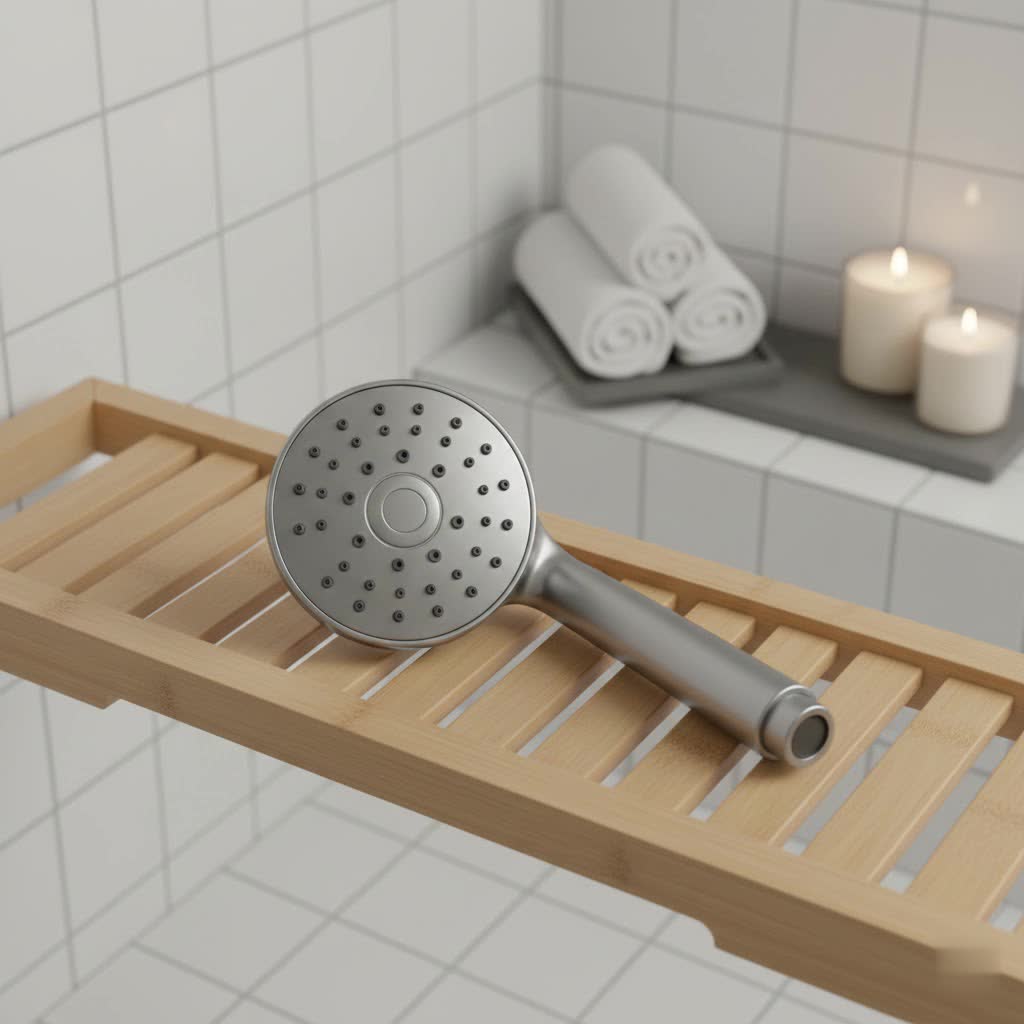
Few things are as relentlessly annoying as the incessant drip, drip, drip of a leaky shower head. Beyond the auditory nuisance, a dripping shower head can waste gallons of water annually, leading to unexpectedly high utility bills and potential water damage over time. If you’ve ever stared at that persistent trickle, wondering how to restore peace and quiet to your bathroom, you’re in the right place. This article will walk you through diagnosing the common culprits behind a dripping shower head, provide detailed, step-by-step solutions for various issues, and offer practical tips to prevent future leaks. Let’s silence that drip for good and ensure your shower experience is nothing short of perfect.
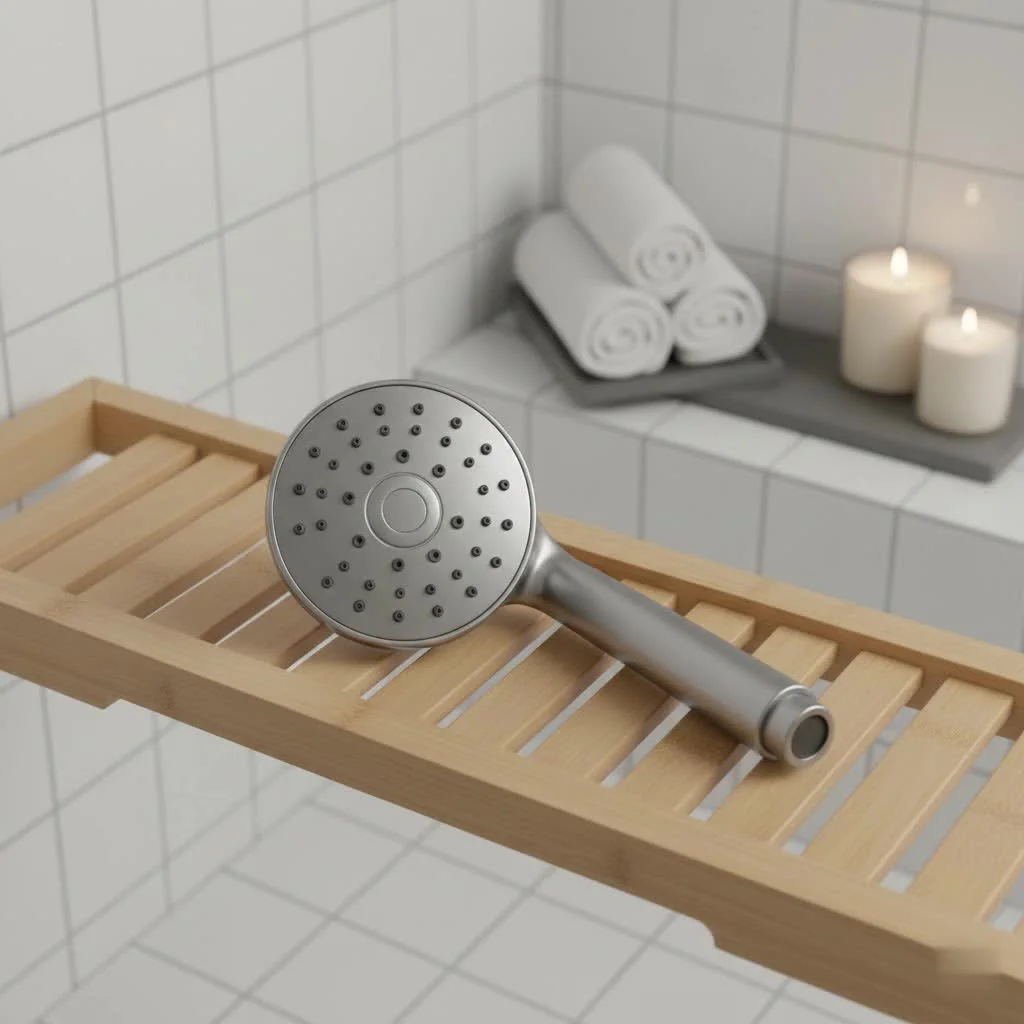
Understanding Your Dripping Shower Head: Common Causes and Their Impact
A dripping shower head isn’t just an inconvenience; it’s a clear signal that something in your plumbing system isn’t functioning as it should. Identifying the root cause is the first critical step toward a lasting fix. Most drips stem from a handful of common issues, ranging from simple wear and tear to more complex internal valve problems. For explore our shower heads reviews on this site.
The primary reasons for a shower head to drip often include mineral buildup, which can obstruct water flow and force leaks; worn-out internal components like gaskets, washers, or O-rings that lose their sealing ability over time; loose connections between the shower head and the shower arm; or a faulty shower valve cartridge that fails to fully shut off the water supply. Each of these issues impacts water flow and sealing integrity, allowing water to escape even when the shower is off. Addressing these problems promptly can save water, money, and prevent further damage to your bathroom.
Pinpointing the Problem: How Different Shower Head Types Can Drip
While the underlying causes of a drip are similar across most shower systems, the exact point of failure can sometimes be influenced by the type of shower head you have. Understanding these distinctions can help you narrow down your diagnosis and choose the most effective repair strategy.
Fixed Shower Heads
Fixed shower heads, which are permanently mounted to the wall or ceiling, commonly drip from the connection point with the shower arm or from the face of the head itself. Leaks at the connection often indicate loose threads, a deteriorated washer or gasket, or a lack of plumber’s tape providing a proper seal. Drips from the nozzle holes are almost always a sign of mineral buildup clogging the small orifices, preventing complete drainage and causing residual water to trickle out.
Handheld Shower Heads
|
Our Picks for the Best Shower Head in 2026
As an Amazon Associate I earn from qualifying purchases.
|
||
| Num | Product | Action |
|---|---|---|
| 1 | Cobbe All Metal Shower Head with Handheld – Solid Stainless Steel 3-Mode High Pressure Showerhead, Detachable Wand with 59" Hose & Adjustable Bracket Water Saving Eco-Flow, Brushed Nickel |

|
| 2 | SparkPod Shower Head - High Pressure Rain - Premium Quality Luxury Design - Easy Clean Adjustable Replacement for Your Bathroom Shower Heads (Midnight Black Matte, 6 Inch Round) |
|
| 3 | High Pressure Rain Shower Head: Upgrade Shower Heads with Handheld Spray Combo with Fixed Showerhead and 10 Sprays Handheld Shower Head, Detachable Showerheads Built-in Magnetic Docking and Power Jets |
|
| 4 | Shower Head with Handheld High Pressure, Rain Shower Head with Fixed Showerhead and 9 Sprays Handheld Shower, Detachable 2-IN-1 Shower head with 59" Rotatable Stainless Steel Hose (Chrome) |
|
| 5 | High Pressure Rain Shower Head: Upgrade Shower Heads with Handheld Spray Combo with Fixed Showerhead and 10 Sprays Handheld Shower Head, Detachable Shower head Built-in Power Jets |
|
| 6 | SparkPod Shower Head - High Pressure Rain - Premium Quality Luxury Design - Easy Clean Adjustable Replacement for Your Bathroom Shower Heads (Luxury Polished Chrome, 6 Inch Round) |
|
| 7 | SparkPod Shower Head - High Pressure Rain - Premium Quality Luxury Design - Easy Clean Adjustable Replacement for Your Bathroom Shower Heads (Elegant Brushed Nickel, 6 Inch Round) |
|
| 8 | SparkPod Shower Head - High Pressure Rain - Premium Quality Luxury Design - Easy Clean Adjustable Replacement for Your Bathroom Shower Heads (Charcoal Grey, 6 Inch Round) |
|
| 9 | SparkPod Shower Head - High Pressure Rain - Premium Quality Luxury Design - Easy Clean Adjustable Replacement for Your Bathroom Shower Heads (Egyptian Gold, 6 Inch Round) |
|
| 10 | High Pressure Rain Shower Head: Upgrade Shower Heads with Handheld Spray Combo with Fixed Showerhead and 10 Sprays Handheld Shower Head, Detachable Showerheads Built-in Magnetic Docking and Power Jets |
|
Handheld shower heads offer flexibility but introduce additional potential leak points. Beyond the head itself and its connection to the shower arm, the hose connecting the handheld unit to the water supply is a common source of drips. Leaks can occur at either end of the hose connection due to worn washers, overtightening, or insufficient plumber’s tape. Cracks or damage to the hose material itself can also lead to leaks, requiring a replacement of the hose.
Specialty Shower Heads
High-pressure, water-saving, massage, or filtered shower heads often have more complex internal mechanisms or additional components that can contribute to dripping. For instance, water-saving models might have flow restrictors that get clogged, while filtered shower heads can leak if the filter itself is old or improperly seated. Massage shower heads, with their intricate jet settings, might develop leaks if internal seals or diverters wear out. High water pressure, while desirable for some, can also exacerbate wear on seals and connections, leading to quicker deterioration and drips.
Quick Troubleshooting Guide: Common Drip Scenarios and Initial Fixes
Identifying where your shower head is dripping from can give you a significant clue about the underlying problem. Here’s a quick comparison of common drip scenarios and their initial solutions:
| Drip Location | Common Causes | Initial Fixes |
|---|---|---|
| From Nozzle Holes | Mineral buildup (limescale, sediment) | Soak shower head in vinegar solution; scrub nozzles |
| From Connection to Arm | Loose connection, worn washer/gasket, old tape | Tighten connection; re-apply plumber’s tape; replace washer/gasket |
| From Shower Handle | Faulty shower valve cartridge, worn O-rings | Requires access to valve; replace cartridge components or entire cartridge |
| From Shower Hose | Loose hose connections, worn washers, damaged hose | Tighten connections; replace washers; replace the hose if cracked/damaged |
| After Shower Stops | Residual water (normal), or internal valve leak | Observe if it stops quickly (normal); if persistent, suspect valve cartridge or seals |
Your Step-by-Step Guide to Fixing a Dripping Shower Head
Most dripping shower heads can be fixed with a few common household tools and a bit of patience. Before attempting any repair, always ensure you have turned off the water supply to your shower to prevent leaks and accidents.
Gathering Your Tools and Shutting Off Water
Before you begin, gather essential tools:
- Adjustable wrench or pliers (with a cloth to protect finishes)
- Plumber’s tape (PTFE tape)
- White vinegar
- Old toothbrush or small brush
- Replacement washers, O-rings, or gaskets (match existing sizes)
- Flathead screwdriver or utility knife (for removing old tape/washers)
- Bucket or towel (to catch drips)
Crucially, turn off the water supply to your shower. This is usually done via the main shut-off valve for your home or a specific shut-off valve for your bathroom. If you’re unsure, consult a professional.
Addressing Loose Connections and Thread Issues
A common and often simplest fix involves the connection between the shower head and the shower arm.
- Remove the Shower Head: Unscrew the shower head from the shower arm by turning it counter-clockwise. You might need a wrench, but always wrap the connection with a cloth to protect the finish from scratches.
- Clean Threads: Inspect the threads on both the shower arm and the shower head. Remove any old plumber’s tape or debris with a utility knife or toothbrush.
- Apply New Plumber’s Tape: Wrap new plumber’s tape clockwise around the threads of the shower arm 3-5 times. Ensure the tape lies flat and covers the threads completely. This creates a watertight seal.
- Reattach Shower Head: Screw the shower head back onto the arm, turning it clockwise. Hand-tighten it firmly, then give it a small additional turn with your wrench (again, using a cloth) until it’s snug, but avoid overtightening, which can damage the threads or crush gaskets.
Cleaning Mineral Buildup and Clogs
Mineral deposits like limescale can clog the small nozzles of your shower head, leading to erratic spray patterns and drips.
- Soak the Shower Head: If possible, fully remove the shower head. In a bucket or bowl, prepare a solution of equal parts white vinegar and warm water. Submerge the shower head in this solution for 30 minutes to a few hours, or even overnight for severe buildup.
- Alternative Method (for non-removable heads): Fill a plastic bag with the vinegar solution and secure it around the shower head with a rubber band, ensuring the head is fully immersed. Let it soak.
- Scrub and Rinse: After soaking, remove the shower head and use an old toothbrush or a small brush to scrub away any loosened mineral deposits from the nozzles and exterior. Rinse thoroughly with clean water.
- Test: Reinstall the clean shower head (if removed) and test for drips.
Replacing Worn Washers, Gaskets, and O-Rings
These small rubber components create watertight seals and are prone to wearing out over time.
- Locate Seals: Once the shower head is removed, carefully inspect the connection points where it meets the shower arm and any internal components. You’ll likely find one or more rubber washers or O-rings.
- Remove Old Seals: Use a small flathead screwdriver or a paper clip to gently pry out the old, worn, or flattened washers and O-rings.
- Install New Seals: Replace them with new ones of the correct size. These are inexpensive and readily available at hardware stores.
- Reassemble: Re-apply plumber’s tape to the shower arm threads, then carefully reattach the shower head, tightening it as described previously.
Dealing with a Faulty Shower Valve Cartridge
If the drip persists even after addressing the shower head and arm connections, the problem likely lies deeper, within the shower valve itself. The valve cartridge controls the flow and temperature of water to your shower.
- Shut Off Main Water Supply: This step is crucial as you’ll be working inside the wall.
- Access the Cartridge: Remove the shower handle and trim plate. You might need a screwdriver to loosen screws. This will expose the shower valve body and the cartridge within.
- Identify and Remove Cartridge: The cartridge’s appearance varies by brand (e.g., Delta, Moen, Kohler). You may need to remove a retaining clip or screws to pull it out. A special cartridge puller tool can be helpful for stubborn cartridges.
- Inspect and Replace: Examine the old cartridge for cracks, wear, or mineral buildup. It’s often best to simply replace the entire cartridge with a new one that matches your shower brand and model. Take the old cartridge to a plumbing supply store to ensure you get an exact match.
- Install New Cartridge: Insert the new cartridge, ensuring it’s oriented correctly (refer to manufacturer instructions). Secure it with the retaining clip or screws.
- Reassemble and Test: Reattach the trim plate and handle. Turn the main water supply back on slowly and check for leaks.
Inspecting for Cracks and Damage
Occasionally, a persistent drip might be due to physical damage. Inspect the shower head body, the shower arm, and any associated hoses for visible cracks or corrosion. If you find any, replacement of the damaged component is usually the only effective solution. Pay particular attention to the base of the shower arm where it enters the wall, as cracks here can indicate a more serious behind-the-wall leak that warrants professional attention.
When to Seek Professional Help or Consider Replacement
While many dripping shower heads can be fixed with DIY methods, there are instances when it’s wiser to call a professional plumber or consider a complete replacement.
If you’ve followed the troubleshooting steps and the drip persists, or if you suspect the leak is coming from behind the wall (indicated by damp spots, peeling paint, or mold on an adjacent wall), it’s time to contact a licensed plumber. Leaks behind walls can lead to significant structural damage and mold growth if not addressed promptly and correctly.
Similarly, if your shower head is old, heavily corroded, or has multiple issues, the cost of individual replacement parts might approach or even exceed the cost of a new, more efficient shower head. Modern shower heads often come with water-saving features and improved durability, making replacement a cost-effective long-term solution.
Preventing Future Drips: Essential Maintenance for Your Shower
Preventing a dripping shower head is often simpler and less costly than fixing one. Regular maintenance can significantly extend the life of your shower components and keep the water flowing smoothly.
- Regular Cleaning: Make it a habit to clean your shower head every few months, especially if you live in a hard water area. A quick soak in vinegar solution will dissolve mineral deposits before they become problematic. This prevents clogs that can force leaks.
- Check Connections: Periodically inspect the connection between your shower head and the shower arm. If it feels loose, gently tighten it by hand or with a cloth-wrapped wrench.
- Avoid Overtightening: When installing or reattaching any shower component, tighten it just enough to be snug, but avoid excessive force. Overtightening can crush washers and damage threads, leading to leaks.
- Use Plumber’s Tape: Always use plumber’s tape on threaded connections to ensure a watertight seal. This inexpensive material is a powerful preventative measure.
- Monitor Water Pressure: If your home experiences very high water pressure, consider installing a pressure regulator. Excessive pressure can prematurely wear out seals and internal components in your shower valve and shower head.
- Address Issues Promptly: Don’t ignore a small drip. What starts as a minor annoyance can quickly escalate into a more significant, expensive problem if left unaddressed.
> “Proactive maintenance, like regular cleaning and checking connections, is the unsung hero in preventing common plumbing nuisances like a dripping shower head. It’s often the simplest steps that save you the biggest headaches down the line.” – John Smith, Master Plumber & Founder of Reviewsnetic.com
By incorporating these simple maintenance tips into your routine, you can enjoy a consistent, drip-free shower experience for years to come.
Conclusion
A dripping shower head is more than just an irritating sound; it’s a drain on your resources and a potential source of greater plumbing woes. Fortunately, with a clear understanding of the common causes and a systematic approach to troubleshooting, most leaks can be resolved with basic DIY skills and readily available tools. From cleaning mineral buildup and replacing worn-out seals to applying plumber’s tape, empowering yourself with this knowledge can save you money, conserve water, and restore tranquility to your bathroom.
consistent maintenance is key to prevention, but knowing when to call in a professional is equally important for issues beyond your scope. So, take action today to identify and fix that persistent drip, ensuring your shower delivers only refreshing streams, not unwanted trickles. What simple step will you take today to silence your dripping shower head?
Frequently Asked Questions
Is a little dripping from the shower head after turning it off normal?
A few drops of residual water falling from the shower head for a minute or two after turning it off can be normal, as water drains from the pipe. However, if the dripping is persistent, continues for an extended period, or collects a noticeable amount of water, it indicates an actual leak that requires attention.
How much water does a dripping shower head waste?
Even a slow drip can waste a surprising amount of water. A shower head dripping at a rate of one drip per second can waste over 3,000 gallons of water per year, which can add hundreds of dollars to your water bill annually.
Can high water pressure cause a shower head to drip?
Yes, excessively high water pressure can contribute to a dripping shower head. High pressure puts added strain on the internal components and seals, causing them to wear out faster and potentially leading to leaks. Installing a pressure regulator can help mitigate this issue.
How often should I clean my shower head to prevent drips?
The frequency of cleaning depends on your water quality. In areas with hard water, cleaning your shower head every 1 to 3 months is recommended to prevent mineral buildup. In soft water areas, cleaning every 6 months to a year might suffice.
What is a shower valve cartridge, and why does it cause leaks?
A shower valve cartridge is a crucial component located behind your shower handle that controls the flow and temperature of water. Over time, its internal seals and components can wear out or become clogged with sediment, preventing it from fully shutting off the water supply and causing a continuous drip from the shower head or spout.
Get our weekly buyer guide
Practical specs, not advice. Unsubscribe anytime.
