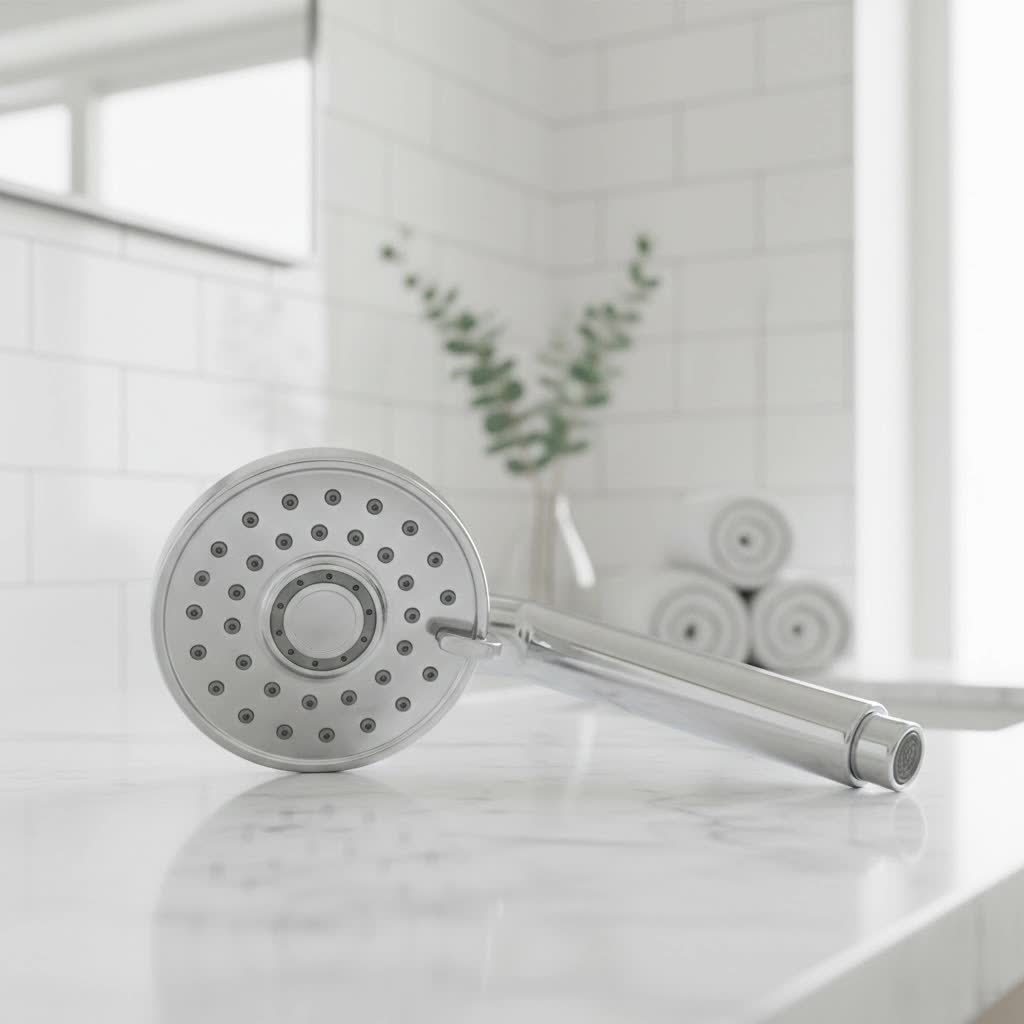
Stepping into the shower should be an invigorating and relaxing escape, a daily ritual that washes away stress and revitalizes your senses. But what if your current shower head leaves you feeling underwhelmed, providing a weak dribble instead of a powerful, enveloping spray? Enter the rainwater shower head, a revolutionary fixture designed to transform your bathroom into a personal oasis. Imagine standing beneath a broad, gentle cascade of water, mimicking the soothing sensation of a natural rain shower. This article will delve into everything you need to know about rainwater shower heads, from their unique design and historical evolution to their myriad benefits and how to choose the perfect one for your home, ensuring every shower becomes a truly luxurious experience.
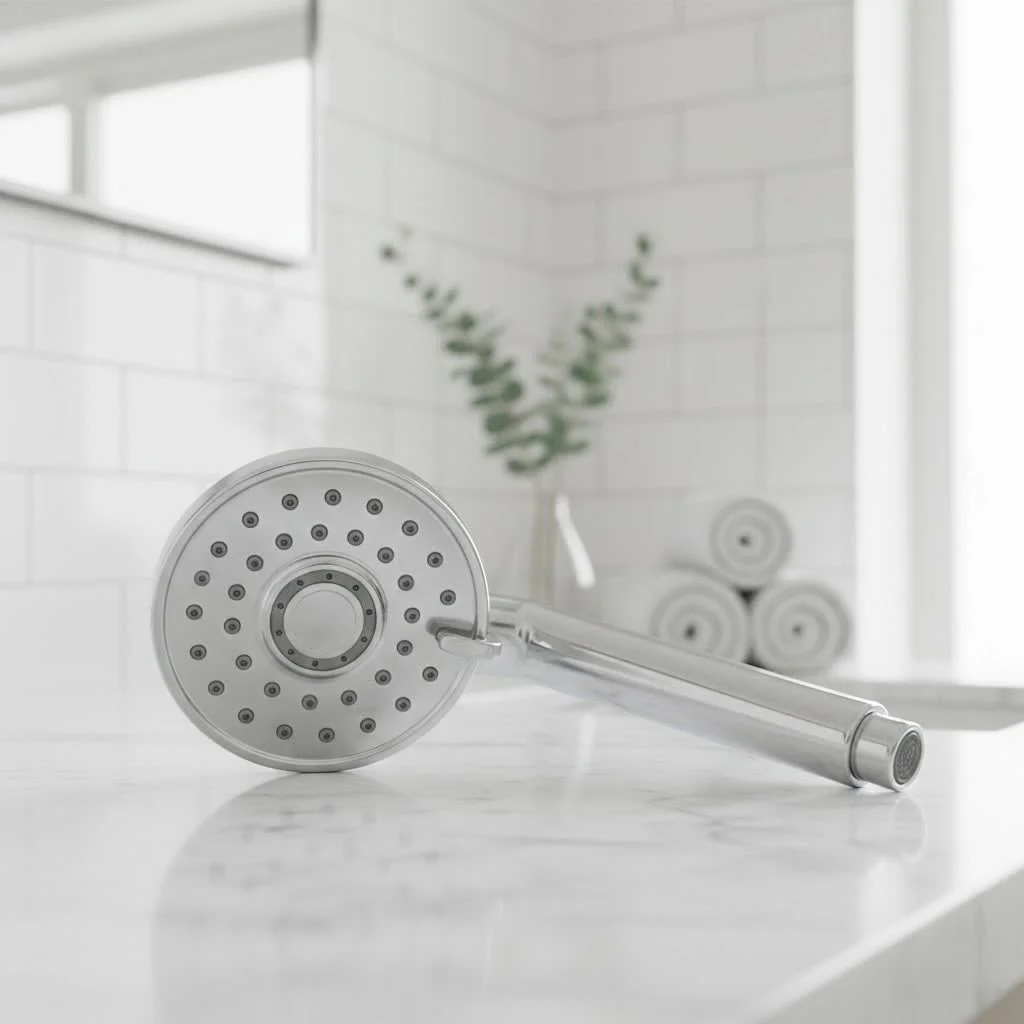
Shower Head: Overview and Historical Development
Shower heads, in their most basic form, have been a staple of personal hygiene for centuries, evolving from simple gravity-fed mechanisms to sophisticated modern devices. Initially, bathing involved pouring water over oneself, but as technology advanced, the concept of a dedicated fixture for showering began to emerge. The first patented shower in the early 19th century involved a system that recycled water, though far from the elegant designs we see today. Over time, innovations focused on improving water delivery, pressure, and user experience, leading to a diverse market of shower heads.
The rainwater shower head, also known as a rain shower head, represents a significant leap in this evolution. Its primary purpose is to replicate the gentle, wide-coverage sensation of natural rainfall. Unlike traditional shower heads that deliver a focused, high-pressure stream, rain shower heads disperse water over a larger area through numerous nozzles, creating a soft, drenching effect. This design prioritizes an immersive and relaxing experience, transforming a utilitarian act into a spa-like indulgence.
Today, the market boasts a variety of rainwater shower heads, catering to different aesthetic preferences and functional needs. They range from ceiling-mounted fixtures that provide a seamless, minimalist look to wall-mounted options that offer adjustability. The continuous innovation in materials, water-saving technologies, and spray patterns ensures that there’s a rain shower head to suit almost every bathroom design and personal preference, making the luxury of a rain-like shower accessible to many.
Classifying Shower Heads by Function and Design
Shower heads come in various forms, each offering distinct advantages. Understanding these classifications, particularly within the context of rainwater shower heads, helps in making an informed choice for your bathroom.
Fixed Shower Heads
|
Our Picks for the Best Shower Head in 2026
As an Amazon Associate I earn from qualifying purchases.
|
||
| Num | Product | Action |
|---|---|---|
| 1 | Shower Head with Handheld High Pressure, Rain Shower Head with Fixed Showerhead and 9 Sprays Handheld Shower, Detachable 2-IN-1 Shower head with 59" Rotatable Stainless Steel Hose (Chrome) |

|
| 2 | High Pressure Rain Shower Head: Upgrade Shower Heads with Handheld Spray Combo with Fixed Showerhead and 10 Sprays Handheld Shower Head, Detachable Shower head Built-in Power Jets |
|
| 3 | SparkPod Shower Head - High Pressure Rain - Premium Quality Luxury Design - Easy Clean Adjustable Replacement for Your Bathroom Shower Heads (Elegant Brushed Nickel, 6 Inch Round) |
|
| 4 | Cobbe All Metal Shower Head with Handheld – Solid Stainless Steel 3-Mode High Pressure Showerhead, Detachable Wand with 59" Hose & Adjustable Bracket Water Saving Eco-Flow, Brushed Nickel |
|
| 5 | High Pressure Rain Shower Head: Upgrade Shower Heads with Handheld Spray Combo with Fixed Showerhead and 10 Sprays Handheld Shower Head, Detachable Showerheads Built-in Magnetic Docking and Power Jets |
|
| 6 | SparkPod Shower Head - High Pressure Rain - Premium Quality Luxury Design - Easy Clean Adjustable Replacement for Your Bathroom Shower Heads (Charcoal Grey, 6 Inch Round) |
|
| 7 | High Pressure Rain Shower Head: Upgrade Shower Heads with Handheld Spray Combo with Fixed Showerhead and 10 Sprays Handheld Shower Head, Detachable Showerheads Built-in Magnetic Docking and Power Jets |
|
| 8 | SparkPod Shower Head - High Pressure Rain - Premium Quality Luxury Design - Easy Clean Adjustable Replacement for Your Bathroom Shower Heads (Luxury Polished Chrome, 6 Inch Round) |
|
| 9 | SparkPod Shower Head - High Pressure Rain - Premium Quality Luxury Design - Easy Clean Adjustable Replacement for Your Bathroom Shower Heads (Midnight Black Matte, 6 Inch Round) |
|
| 10 | SparkPod Shower Head - High Pressure Rain - Premium Quality Luxury Design - Easy Clean Adjustable Replacement for Your Bathroom Shower Heads (Egyptian Gold, 6 Inch Round) |
|
Fixed shower heads are permanently mounted to the wall or ceiling, offering a consistent and often minimalist aesthetic. Rainwater fixed shower heads typically feature a large, wide spray face to maximize the “rain” effect, making them a popular choice for their uncluttered look and immersive experience.
- Advantages: Provide a strong, consistent flow, often come in larger sizes for better coverage, and contribute to a sleek, modern bathroom design. They are generally very durable once installed.
- Disadvantages: Lack flexibility as they cannot be moved or handheld, which can be inconvenient for cleaning the shower enclosure or bathing children/pets.
- Popular Designs: Include round, square, or rectangular large-diameter heads, often ultra-thin for a contemporary feel.
Handheld Shower Heads
While less common for a true “rainwater” effect due to their typically smaller size, handheld shower heads offer unparalleled versatility. Some larger handheld models can mimic a rain-like spray, though usually with less overall coverage than a fixed rain head.
- Advantages: Provide excellent flexibility for targeted rinsing, cleaning the shower, and assisting with bathing needs for all ages. They are also useful for washing pets.
- Disadvantages: Can sometimes have lower water pressure compared to fixed heads, and the hose might detract from a purely minimalist aesthetic if not well-integrated.
- Features and Applications: Often come with multiple spray settings and are ideal for households where diverse showering needs are common.
High-Pressure Shower Heads
High-pressure shower heads are designed to maximize water force, making them suitable for homes with low water pressure. While the primary goal of a rainwater shower head is usually a soft, drenching flow, some models incorporate pressure-boosting technologies. These might have fewer, larger nozzles or internal mechanisms to amplify the flow, allowing for a rain-like experience even in challenging water pressure environments.
- Mechanism and Benefits: They often use flow restrictors or air-injection technology to increase the perceived pressure. This can make for a more satisfying rinse and help alleviate issues in older plumbing systems.
- Suitability: Best for areas experiencing inherently weak water pressure, ensuring a vigorous shower despite the existing plumbing limitations.
Water-Saving Shower Heads
Environmental consciousness and utility savings drive the demand for water-saving shower heads. Many modern rainwater shower heads integrate eco-friendly features without compromising the luxurious experience. They achieve this by optimizing flow rates (measured in GPM – gallons per minute) or using innovative spray patterns that create a feeling of ample water with less actual consumption.
- Water-Saving Technologies: Include aerating technologies that infuse air into the water stream, making droplets feel fuller, or non-aerating pulse technologies that use less water per minute while still providing a satisfying rinse.
- Environmental and Economic Benefits: Reduce water usage, lower water heating costs, and contribute to overall household sustainability efforts.
Massage Shower Heads
While the classic rainwater shower head focuses on a gentle, uniform downpour, some advanced models incorporate massage settings. These might include focused, pulsating streams within the larger rain spray or adjustable nozzles that allow users to switch between a soft rain and a more targeted, invigorating massage.
- Different Massage Modes: Can range from soft, stimulating pulses to powerful, deep-tissue massage streams.
- Health and Relaxation Benefits: Offer therapeutic advantages, helping to soothe sore muscles, relieve tension, and promote overall relaxation, blending the calming effect of rain with targeted invigoration.
Filtered Shower Heads
Filtered shower heads address concerns about water quality, removing impurities like chlorine, heavy metals, and sediment that can be harsh on skin and hair. A growing number of rainwater shower heads now come with integrated filtration systems, ensuring that your luxurious shower is also a healthy one.
- Purpose: To purify the water, reducing the presence of contaminants that can cause skin dryness, hair damage, and even respiratory irritation.
- Skin and Hair Benefits: Provide softer water, leading to healthier-looking skin and hair, and can alleviate issues for individuals with sensitivities or allergies to certain water impurities.
Comparing Shower Head Types
Choosing the right shower head involves weighing various factors. Here’s a comparative overview of common types, focusing on how rainwater shower heads fit into the landscape.
| Feature | Fixed Shower Head (Standard) | Handheld Shower Head | High-Pressure Shower Head | Water-Saving Shower Head | Rainwater Shower Head |
|---|---|---|---|---|---|
| Function | Consistent, focused spray | Flexible, targeted | Strong, invigorating | Reduces water usage | Wide, gentle, drenching |
| Design | Wall-mounted, various sizes | Hose-attached, mobile | Standard to specialized | Standard to specialized | Large diameter, often sleek |
| Price Range | Moderate | Moderate to High | Moderate | Moderate to High | Moderate to High |
| Pros | Reliable, durable | Versatile, convenient | Excellent for low pressure | Eco-friendly, cost-saving | Luxurious, spa-like, wide coverage |
| Cons | Less flexible | Can clutter space | Can be loud, may use more water | Potentially lower pressure feeling | May require good existing pressure for best effect |
| Overall Rating | Good | Excellent | Very Good | Very Good | Excellent for comfort and aesthetics |
Factors to Consider When Buying a Rainwater Shower Head (Buying Guide)
Selecting the perfect rainwater shower head requires careful consideration of several key factors to ensure it meets your specific needs and enhances your showering experience.
Water Pressure
Understanding your home’s water pressure is paramount, especially for a rainwater shower head. While these heads are designed for a gentle flow, insufficient pressure can result in a weak, disappointing dribble rather than a luxurious downpour.
- Checking Home Water Pressure: You can purchase a simple water pressure gauge to attach to an outdoor spigot, or observe how strong your existing shower flow is. Homes with good water pressure (around 60 psi) are ideal for most rainwater shower heads.
- Choosing the Right Shower Head: If you have low water pressure, look for rainwater shower heads specifically designed with pressure-boosting technology or larger nozzles to compensate, ensuring a satisfying experience.
Material
The material of your shower head impacts its durability, aesthetic, and price. Common options include plastic, various metals, and stainless steel, each with its own set of advantages and disadvantages.
- Common Materials: ABS plastic is lightweight and affordable, often used for internal components; brass is durable and corrosion-resistant, a popular choice for high-end fixtures; stainless steel offers a sleek, modern look and excellent longevity; chrome-plated finishes are common for their shine and protective qualities.
- Pros and Cons: Plastic is economical but less durable; brass and stainless steel are robust and long-lasting but come at a higher price point. Finishes like brushed nickel or oil-rubbed bronze can add aesthetic appeal and resist fingerprints.
Functions and Spray Modes
While the primary appeal of a rainwater shower head is its drenching, uniform spray, some models offer additional functions and spray modes, enhancing versatility.
- Different Spray Modes: Beyond the standard rain, some might include a gentle mist, an invigorating massage, or a pause function for lathering. These extra modes allow for customization based on your mood or specific showering needs.
- Choosing Based on Needs: If you primarily seek relaxation, a pure rain function might suffice. If you enjoy variety or need targeted streams for muscle relief, opting for a multi-function model would be beneficial.
Size and Design
The size and design of your rainwater shower head should complement your bathroom’s overall aesthetic and the available space. Rainwater heads typically have a larger diameter than traditional shower heads.
- Matching Bathroom Space: A large, square, ceiling-mounted rain head might be perfect for a spacious, modern bathroom, while a smaller, round, wall-mounted version might fit better in a more compact or traditionally styled space. Consider the height of your ceiling and the shower enclosure when choosing.
- Design Styles: Modern rainwater heads often feature slim profiles and minimalist lines in finishes like polished chrome or matte black. Classic designs might incorporate more intricate details or warmer finishes like brushed nickel or bronze.
Brand and Price
Investing in a reputable brand often guarantees quality, reliability, and better customer support. Price ranges for rainwater shower heads vary significantly based on material, brand, features, and size.
- Reputable Brands: Brands like Moen, Delta, Kohler, Hansgrohe, and Grohe are well-known for their quality plumbing fixtures. Reading reviews and checking warranties can also provide insight into a brand’s trustworthiness.
- Budgeting: While higher-priced models often offer superior construction and advanced features, there are many excellent mid-range options that provide a great balance of performance and value. Define your budget, but prioritize quality for a long-lasting investment.
Ease of Installation and Cleaning
The practical aspects of installation and maintenance are often overlooked but are crucial for long-term satisfaction.
- Installation: Many rainwater shower heads are designed for DIY installation, especially wall-mounted models that simply screw onto existing shower arms. Ceiling-mounted versions might require more extensive plumbing work and professional installation. Always check for clear instructions and necessary hardware.
- Maintenance: Regular cleaning is essential to prevent mineral buildup and maintain optimal spray performance. Look for features like silicone nozzles that are easy to wipe clean (often called “touch-clean” nozzles) to prevent clogging. Detachable parts can also simplify deep cleaning.
> “The best rainwater shower head isn’t just about luxurious spray; it’s about seamlessly integrating with your home’s water pressure and your lifestyle, ensuring ease of use and maintenance for years of enjoyment.” – Sarah Jenkins, Master Plumber & Bathroom Designer
Top Popular Rainwater Shower Head Brands
The market for rainwater shower heads is robust, with several brands distinguishing themselves through innovation, quality, and design.
- Moen: Known for stylish designs and consistent performance. Their “Immersion” rainshower collection offers a wide range of sizes and finishes, often incorporating advanced spray technology for a truly drenching experience. Moen is often praised for its durable finishes and reliable cartridges.
- Delta: Offers a broad spectrum of shower products, including many rainwater options with their signature “H2Okinetic” technology, which sculpts water into a unique wave pattern for a warmer, more drenching coverage while using less water. Delta products are generally user-friendly and come with good warranties.
- Kohler: A premium brand synonymous with luxury and sophisticated design. Kohler’s rain shower heads often feature expansive spray faces and high-quality finishes, providing an elevated spa experience. They focus on both aesthetics and superior water delivery.
- Hansgrohe & Grohe: German brands renowned for precision engineering, innovative technology, and contemporary European design. Their rainwater shower heads often feature air-injection technology (like Hansgrohe’s “AirPower”) for larger, softer droplets, and are built to last with exceptional craftsmanship. They are often at the higher end of the price spectrum but deliver superior performance and durability.
- Speakman: While famous for high-pressure heads, Speakman also offers luxurious rain shower experiences. Their products are known for robust construction and patented Anystream® 360° technology, allowing for easy transitions between intense and gentle sprays, including rain modes.
Each brand brings its unique strengths, from Moen’s balance of style and function to Kohler’s luxury and Hansgrohe/Grohe’s engineering excellence. Comparing their specific models based on your budget, desired features, and aesthetic preferences will guide you to the ideal choice.
Installation and Maintenance Guide for Rainwater Shower Heads
Proper installation and routine maintenance are key to maximizing the lifespan and performance of your rainwater shower head, ensuring a consistently luxurious shower experience.
Step-by-Step Installation Guide (Wall-Mounted)
Installing a wall-mounted rainwater shower head is typically a straightforward DIY task.
- Gather Tools: You’ll need an adjustable wrench, Teflon tape, and a clean cloth.
- Remove Old Shower Head: Turn off the main water supply to your bathroom. Using the wrench, unscrew the old shower head and clean any debris from the existing shower arm threads.
- Prepare Shower Arm: Wrap the threads of the shower arm with Teflon tape in a clockwise direction (2-3 times) to create a watertight seal and prevent leaks.
- Attach New Rainwater Head: Carefully screw the new rainwater shower head onto the shower arm by hand until it’s snug. Use the wrench for a final quarter-turn, being careful not to overtighten and damage the threads or finish.
- Test for Leaks: Turn the water supply back on and check for any leaks around the connection. If leaks occur, tighten slightly or reapply Teflon tape.
For ceiling-mounted rainwater shower heads, the process is more complex, often requiring new plumbing and structural considerations. It is highly recommended to hire a professional plumber for these installations.
Tips for Maintaining Your Rainwater Shower Head
Regular maintenance prevents mineral buildup, ensures optimal water flow, and extends the life of your fixture.
- Regular Cleaning: At least once a month, wipe down the spray face of your shower head with a soft cloth and a mild soap solution. This prevents soap scum and mineral deposits from accumulating.
- De-clogging Nozzles: Many modern rainwater shower heads feature silicone nozzles. If you notice reduced flow or uneven spray, gently rub the nozzles with your finger or a soft brush to dislodge any mineral buildup. For stubborn clogs, use a toothpick or a small brush.
- Deep Cleaning (Vinegar Soak): For significant mineral buildup, remove the shower head and immerse it in a solution of equal parts white vinegar and water for a few hours or overnight. Vinegar is a natural descaler. Rinse thoroughly afterward.
- Check for Leaks: Periodically inspect the connection points for any drips or leaks. Address them promptly by tightening connections or reapplying Teflon tape.
- Avoid Harsh Chemicals: Do not use abrasive cleaners, strong acids, or scouring pads, as these can damage the finish and potentially the internal components of your shower head.
Troubleshooting Common Shower Head Problems
- Low Water Pressure:
- Solution: Check if the flow restrictor is clogged (or if removing it is an option, though note this might void warranties or violate local water efficiency regulations). Clean the nozzles thoroughly. Ensure your home’s main water valve is fully open. If the issue persists, consider a pressure-boosting rainwater shower head.
- Uneven Spray:
- Solution: This is almost always due to clogged nozzles. Follow the de-clogging and deep cleaning steps above.
- Leaking Connection:
- Solution: Turn off water, unscrew the shower head, remove old Teflon tape, and reapply new Teflon tape generously (3-5 wraps) before reattaching and tightening. Ensure the washer inside the shower head is properly seated.
Conclusion
The rainwater shower head transcends mere functionality, offering a daily escape into a world of soothing luxury and relaxation. By mimicking the gentle, wide cascade of natural rain, these fixtures transform an ordinary bathroom into a personal spa oasis. We’ve explored their historical journey, delved into the diverse types, and provided a comprehensive guide to selecting the perfect model based on factors like water pressure, material, and design. Remember to consider your home’s unique plumbing, your aesthetic preferences, and your budget when making your choice. With top brands continually innovating, there’s a high-quality rainwater shower head ready to elevate your showering experience. Proper installation and diligent maintenance will ensure that your chosen fixture continues to deliver that blissful downpour for years to come.
Are you ready to transform your daily shower into an indulgent, spa-like ritual?
Frequently Asked Questions
What is the ideal water pressure for a rainwater shower head?
While rainwater shower heads are designed for a gentle flow, an ideal water pressure of 60 psi (pounds per square inch) or higher will provide the most satisfying and luxurious drenching experience. Lower pressures can result in a less robust spray, so look for pressure-boosting models if your home’s pressure is weak.
Can a rainwater shower head save water?
Yes, many modern rainwater shower heads incorporate water-saving technologies. These often have a lower GPM (gallons per minute) rating than older models or use air-infusion technology to create the sensation of more water with less actual consumption, thus contributing to water conservation and lower utility bills.
Is it difficult to install a rainwater shower head?
Wall-mounted rainwater shower heads are generally easy to install, often requiring only basic tools and a few minutes to replace an existing head. However, ceiling-mounted models may require professional plumbing work due to the need for new piping and structural considerations.
How do I clean a clogged rainwater shower head?
Most rainwater shower heads have silicone nozzles that can be easily cleaned by simply rubbing them with your fingers to dislodge mineral buildup. For more stubborn clogs, you can remove the shower head and soak it in a solution of equal parts white vinegar and water overnight, then scrub and rinse.
Are rainwater shower heads suitable for small bathrooms?
While rainwater shower heads typically have larger diameters, many designs are sleek and can be suitable even for smaller bathrooms. Wall-mounted versions can save space compared to ceiling-mounted options, and minimalist designs can contribute to an uncluttered feel.
Get our weekly buyer guide
Practical specs, not advice. Unsubscribe anytime.

I was hesitant about switching to a rainwater shower head, but the idea of a powerful, enveloping spray really sold me. It delivers on that promise, and the water coverage is fantastic. My only minor complaint is that it took a bit longer to install than I expected, but once it was up, the difference was immediate. My bathroom definitely feels more like a personal oasis now.
I finally upgraded to a rainwater shower head after years of dealing with a weak dribble, and it’s been a game-changer. The broad, gentle cascade really does make my shower feel like a luxurious escape. It’s so much more relaxing than my old one, and I actually look forward to my morning shower now. Definitely worth the investment for that spa-like experience.
I got a rainwater shower head hoping for that soothing sensation of a natural rain shower. While the water flow is nice and wide, I found that the pressure wasn’t quite as strong as I’d hoped for rinsing out thick hair. It’s still an improvement over my old basic shower head, but I was expecting a bit more oomph. Maybe I just need to adjust to the different feel.
This type of shower head truly transforms your bathroom. I love how it mimics a natural rain shower; it’s incredibly calming after a long day. The design is sleek and modern, which was a big plus for my recent bathroom remodel. It really does wash away stress and revitalizes my senses, just like it said it would. Highly recommend for anyone looking to upgrade.