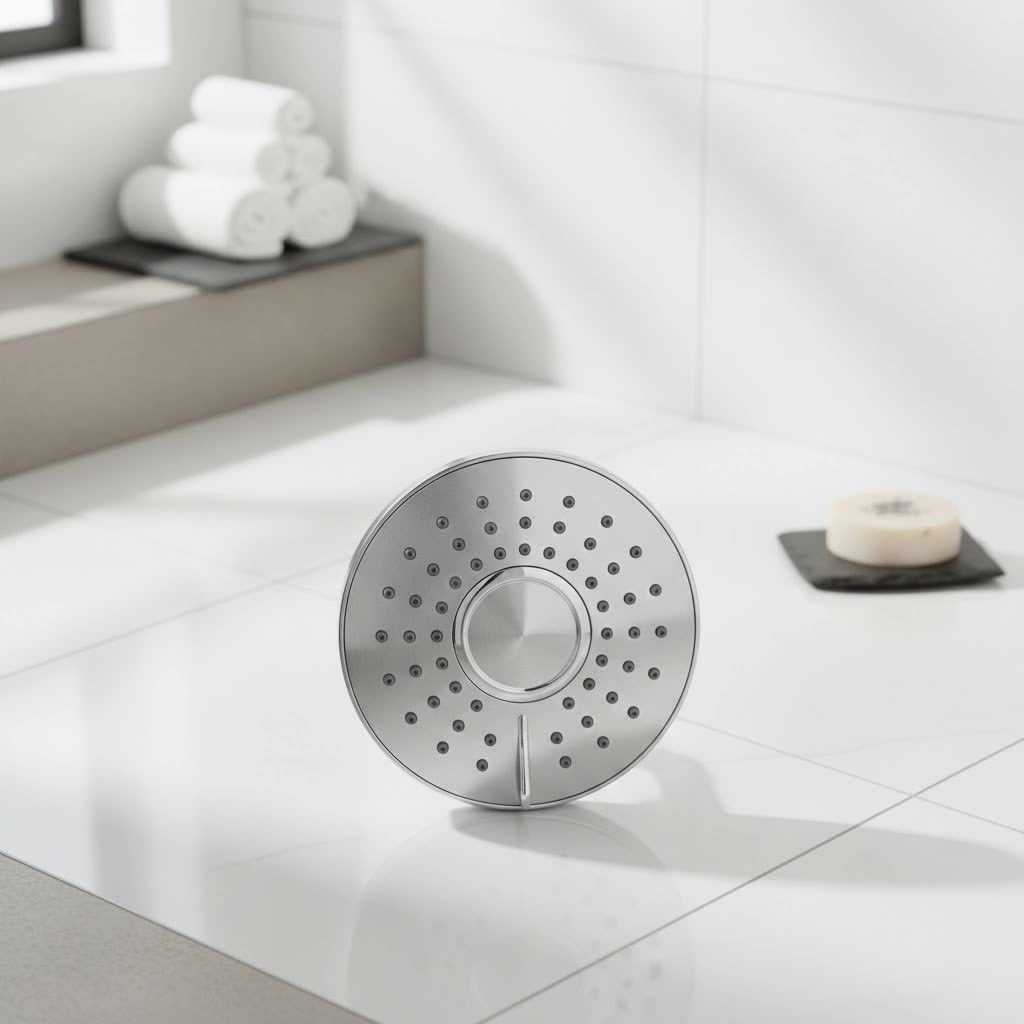
While often marketed as “water softener shower heads,” most consumer-grade shower filters primarily reduce impurities like chlorine, chloramines, and sediment, rather than truly softening hard water through ion exchange. True water softening, which removes calcium and magnesium ions, typically requires a whole-house ion exchange system. Nevertheless, these filtered shower heads significantly improve shower water quality by removing harmful contaminants, leading to healthier skin and hair.
Water Softener Shower Heads: Overview and Evolution
A “water softener shower head” is a device installed directly onto your existing shower arm or as a complete shower head unit that incorporates a filtration system. Their primary purpose is to improve the quality of your shower water by reducing impurities. Historically, people relied on full-home water treatment systems to address water quality. However, as awareness of localized water issues grew, filtered shower heads emerged as a more accessible and often more affordable solution for individual shower concerns. For complete shower heads library on this site.
It’s important to clarify a common misconception: while many products are marketed as “water softener shower heads,” most consumer-grade shower filters primarily target chlorine, chloramines, sediment, and other chemical by-products, rather than truly softening hard water through ion exchange. True water softening, which involves removing calcium and magnesium ions that cause hardness, typically requires a whole-house ion exchange system. Nevertheless, by filtering out harmful contaminants, these shower heads still offer significant benefits for your skin, hair, and overall shower comfort.
Today, the market offers a diverse range of filtered shower heads, varying in design, filtration technology, and features, catering to different needs and budgets. From basic chlorine filters to multi-stage systems, these devices have evolved to address a spectrum of water quality concerns beyond just temperature and pressure.
Categorizing Shower Head Filters by Function and Design
Understanding the various types of shower head filters available can help you select the one best suited for your specific water quality concerns and showering preferences. While often broadly termed “water softener shower heads,” their true functions are typically filtration-based.
Fixed Filtered Shower Heads
Fixed filtered shower heads are integrated units that attach directly to your shower arm, offering a seamless and often minimalist look. They provide a consistent water flow and generally come with various spray patterns.
- Pros: Often robust in design, provide a steady stream, and can be aesthetically pleasing.
- Cons: Less versatile for cleaning or directed spraying compared to handheld options.
- Popular Designs: Rain shower designs, traditional round or square fixed heads.
Handheld Filtered Shower Heads
Handheld filtered shower heads offer unparalleled flexibility, detaching from their mount for directed spraying, which is ideal for rinsing, cleaning the shower, or bathing children and pets.
- Pros: Highly versatile, excellent for targeted rinsing and cleaning, often come with multiple spray settings.
- Cons: Can sometimes be heavier due to the integrated filter, requires a hose connection.
- Flexible Applications: Perfect for those who need adaptability in their shower experience.
High-Pressure Filtered Shower Heads
|
Our Picks for the Best Shower Head in 2026
As an Amazon Associate I earn from qualifying purchases.
|
||
| Num | Product | Action |
|---|---|---|
| 1 | High Pressure Rain Shower Head: Upgrade Shower Heads with Handheld Spray Combo with Fixed Showerhead and 10 Sprays Handheld Shower Head, Detachable Shower head Built-in Power Jets |

|
| 2 | SparkPod Shower Head - High Pressure Rain - Premium Quality Luxury Design - Easy Clean Adjustable Replacement for Your Bathroom Shower Heads (Luxury Polished Chrome, 6 Inch Round) |
|
| 3 | SparkPod Shower Head - High Pressure Rain - Premium Quality Luxury Design - Easy Clean Adjustable Replacement for Your Bathroom Shower Heads (Midnight Black Matte, 6 Inch Round) |
|
| 4 | SparkPod Shower Head - High Pressure Rain - Premium Quality Luxury Design - Easy Clean Adjustable Replacement for Your Bathroom Shower Heads (Charcoal Grey, 6 Inch Round) |
|
| 5 | Cobbe All Metal Shower Head with Handheld – Solid Stainless Steel 3-Mode High Pressure Showerhead, Detachable Wand with 59" Hose & Adjustable Bracket Water Saving Eco-Flow, Brushed Nickel |
|
| 6 | Shower Head with Handheld High Pressure, Rain Shower Head with Fixed Showerhead and 9 Sprays Handheld Shower, Detachable 2-IN-1 Shower head with 59" Rotatable Stainless Steel Hose (Chrome) |
|
| 7 | SparkPod Shower Head - High Pressure Rain - Premium Quality Luxury Design - Easy Clean Adjustable Replacement for Your Bathroom Shower Heads (Egyptian Gold, 6 Inch Round) |
|
| 8 | High Pressure Rain Shower Head: Upgrade Shower Heads with Handheld Spray Combo with Fixed Showerhead and 10 Sprays Handheld Shower Head, Detachable Showerheads Built-in Magnetic Docking and Power Jets |
|
| 9 | High Pressure Rain Shower Head: Upgrade Shower Heads with Handheld Spray Combo with Fixed Showerhead and 10 Sprays Handheld Shower Head, Detachable Showerheads Built-in Magnetic Docking and Power Jets |
|
| 10 | SparkPod Shower Head - High Pressure Rain - Premium Quality Luxury Design - Easy Clean Adjustable Replacement for Your Bathroom Shower Heads (Elegant Brushed Nickel, 6 Inch Round) |
|
These shower heads are designed to enhance water flow, which can be particularly beneficial in homes with naturally low water pressure. They often incorporate filtration elements without sacrificing spray intensity.
- Mechanism: Utilize smaller nozzle holes or internal pressure-boosting mechanisms to increase water velocity.
- Benefits: Delivers a more invigorating shower, especially useful in areas with weak water pressure, while still providing filtration.
Water-Saving Filtered Shower Heads
For the environmentally conscious and those looking to reduce utility bills, water-saving filtered shower heads are an excellent choice. They are designed to deliver an effective shower experience using less water.
- Technology: Employ flow restrictors and optimized spray patterns to reduce gallons per minute (GPM) without compromising perceived pressure.
- Advantages: Lowers water consumption, reduces energy costs for heating water, and contributes to environmental conservation.
Massage Filtered Shower Heads
Combining the benefits of filtration with therapeutic spray options, massage filtered shower heads offer a spa-like experience.
- Massage Modes: Feature pulsating or high-intensity spray patterns designed to soothe muscles and relieve tension.
- Relaxation Benefits: Provides a relaxing and therapeutic element to your daily shower, aiding in stress relief and muscle recovery.
Filtered Shower Heads (The “Water Softener” Misnomer)
These are the most common type often referred to as “water softener shower heads.” Their primary function is to filter out impurities like chlorine, chloramines, sediment, and sometimes heavy metals, rather than removing hard water minerals.
- Function: Utilizes various filter media (activated carbon, KDF, calcium sulfite, ceramic) to adsorb or chemically neutralize contaminants.
- Benefits for Skin and Hair: By removing chlorine and other irritants, they can lead to softer skin, shinier hair, and reduced dryness or irritation, which users often perceive as softened water.
Comparing Shower Head Filters and Whole-House Water Softeners
When considering how to improve your water quality, it’s crucial to understand the distinct roles of a shower head filter and a whole-house water softener. While both aim to enhance your water, they operate differently and address varied issues.
| Feature | Shower Head Filter (Often marketed as “Water Softener Shower Head”) | Whole-House Water Softener System |
|---|---|---|
| Primary Function | Filters chlorine, chloramines, sediment, some heavy metals, VOCs. | Removes calcium and magnesium ions (hardness minerals) via ion exchange. |
| Effect on Hardness | Minimal to no true softening; may reduce some minerals, but not significantly. | Effectively softens all water in the home. |
| Scope of Treatment | Localized: only treats water at the shower head. | Whole-house: treats all water entering the home (taps, showers, appliances). |
| Benefits | Healthier skin & hair (less chlorine), reduced dryness/irritation, cleaner shower. | Eliminates limescale buildup, extends appliance life, reduces soap scum, softer skin & hair throughout the home. |
| Installation | Easy DIY, screws onto existing shower arm. | Professional installation usually required at main water line. |
| Maintenance | Regular filter cartridge replacement (e.g., every 3-6 months). | Requires salt replenishment, periodic resin cleaning/regeneration. |
| Cost | Generally more affordable upfront. | Higher upfront cost, but long-term savings on appliance repairs and cleaning. |
| Main Concern Addressed | Chlorine sensitivity, skin/hair issues from chlorinated water. | Hardness issues: limescale, soap scum, appliance damage, dry skin/hair from mineral buildup. |
> “While shower filters do an excellent job at removing chlorine and other impurities that can irritate skin and hair, it’s a common misunderstanding that they can effectively soften truly hard water. For comprehensive hard water treatment, a dedicated whole-house ion exchange softener is the most reliable solution.” – Dr. Emily R. Chen, Environmental Chemist specializing in Water Treatment.
Key Factors When Choosing a Filtered Shower Head (Buying Guide)
Selecting the right filtered shower head requires careful consideration of several factors to ensure it meets your specific needs and provides the best possible shower experience.
Water Pressure
Before purchasing, assess the water pressure in your home. Some filtered shower heads, particularly those with multi-stage filtration, can slightly reduce water flow. If you already have low water pressure, look for models specifically designed to maintain or even boost pressure while filtering. This will ensure your invigorating shower isn’t compromised.
Material Quality
The material of your shower head impacts both its durability and aesthetics.
- Plastic: The most budget-friendly option, lightweight, and available in many finishes. However, it’s generally less durable and more prone to cracking or discoloration over time.
- Metal (Stainless Steel, Chrome, Brass, Bronze): Offers superior durability, wear resistance, and a more premium look. Metal shower heads are easier to clean from limescale and are less susceptible to bacterial growth. Stainless steel is an optimal variant, looking stylish and serving a long time. While more expensive, they offer greater longevity and better performance.
Filtration Technology and Effectiveness
This is the core of a “water softener shower head.” Different filters target different contaminants:
- Activated Carbon: Highly effective at removing chlorine, odors, and organic compounds, but less so for minerals.
- KDF (Kinetic Degradation Fluxion): Excellent for chlorine and heavy metal reduction.
- Calcium Sulfite: Targets chloramine and chlorine.
- Vitamin C (Ascorbic Acid): Also effective against chloramine and chlorine.
- Ceramic Filters: Good for reducing dirt, debris, and bacteria.
Consider getting your water tested to understand the specific impurities you need to address, then choose a filter media blend designed for those contaminants.
Size, Design, and Spray Settings
The physical attributes of the shower head also play a significant role.
- Size: Choose a size that complements your bathroom space. A large rain shower head might not be suitable for a small shower stall.
- Design: From modern and sleek to classic and ornate, pick a style that matches your bathroom decor.
- Spray Settings: Look for multiple settings (e.g., rain, massage, mist, jet) if you enjoy variety in your shower experience. A wider spray pattern can offer better coverage.
Brand Reputation and Price
Investing in a reputable brand often means better quality, reliable performance, and good customer support. While budget-friendly options exist, sometimes spending a little more upfront can save money long-term by reducing repairs and ensuring effective filtration. Compare features, filter lifespan, and replacement filter costs when evaluating the overall value.
Ease of Installation and Maintenance
A user-friendly design is crucial. Most filtered shower heads are designed for easy DIY installation, screwing directly onto your existing shower arm. Look for models with clear instructions and simple filter replacement mechanisms. Regular maintenance, primarily replacing the filter cartridge, is essential to maintain optimal performance and water quality.
Top Filtered Shower Head Brands for Improved Water Quality
When it comes to enhancing your shower experience, several brands have distinguished themselves by offering high-quality filtered shower heads that address various water concerns. While I cannot endorse specific products, here’s an overview of features to look for in reputable brands.
Leading manufacturers often focus on advanced filtration technologies, ensuring their products effectively reduce chlorine, sediment, and other common impurities. Brands known for their filtered shower heads often offer:
- Multi-Stage Filtration: Incorporating a combination of filter media like KDF, activated carbon, and calcium sulfite to tackle a broader spectrum of contaminants.
- Durable Construction: Utilizing high-grade materials such as stainless steel or chrome-plated brass to ensure longevity and resistance to corrosion and limescale buildup.
- Consistent Water Flow: Designing filters that minimize pressure loss, even with robust filtration.
- Easy Filter Replacement: User-friendly designs that allow for quick and hassle-free cartridge changes.
- Variety of Styles: Offering different aesthetics (fixed, handheld, rain shower) to suit diverse bathroom designs and personal preferences.
- Certifications: Some brands may offer products certified by independent bodies, although this is less common for simple shower filters compared to whole-house systems.
When evaluating brands, consider their transparency about filtration capabilities, customer reviews regarding filter lifespan and performance, and the availability and cost of replacement cartridges.
Installing and Maintaining Your Filtered Shower Head
Installing and maintaining a filtered shower head is generally a straightforward process, allowing you to enjoy cleaner shower water with minimal effort.
Step-by-Step Installation Guide
Most filtered shower heads are designed for easy, tool-free installation, making them a popular DIY project.
- Remove Old Shower Head: Twist your existing shower head counter-clockwise to unscrew it from the shower arm. You might need a wrench if it’s tightly secured, but cover the arm with a cloth to prevent scratches.
- Clean Shower Arm Threads: Use a brush or cloth to clean any residue or old Teflon tape from the threads of the shower arm.
- Apply Teflon Tape (Optional but Recommended): Wrap new plumber’s tape (Teflon tape) clockwise around the threads of the shower arm 3-5 times. This helps create a watertight seal.
- Install Filter Unit (if separate): If your filter is a separate unit, screw it onto the shower arm clockwise until hand-tight.
- Install Filtered Shower Head: Screw the new filtered shower head (or the shower head onto the filter unit) clockwise onto the shower arm (or filter unit) until hand-tight. Do not overtighten, as this can damage the threads or plastic components.
- Check for Leaks: Turn on the water and check for any leaks at the connections. If you find leaks, tighten slightly more or reapply Teflon tape.
Tips for Extending the Lifespan of Your Filtered Shower Head
Regular care ensures your filtered shower head continues to perform effectively and lasts longer.
- Replace Filters Regularly: Adhere to the manufacturer’s recommended filter replacement schedule (typically every 3-6 months). This is crucial for maintaining filtration effectiveness.
- Clean Nozzles: Periodically clean the spray nozzles to prevent mineral buildup and maintain optimal water flow. You can often rub flexible rubber nozzles with your finger, or soak the shower head in a vinegar solution for more stubborn deposits.
- Wipe Down After Use: Wiping the shower head dry after each use can prevent water spots and mineral accumulation on the exterior.
- Avoid Harsh Cleaners: Use mild, non-abrasive cleaners on the shower head’s finish to prevent damage.
Troubleshooting Common Filtered Shower Head Issues
Encountering problems with your filtered shower head is usually easy to resolve.
- Low Water Pressure: First, check if it’s time to replace the filter cartridge, as a clogged filter is a common cause. Also, ensure no flow restrictor is too restrictive or clogged.
- Leaks: Re-tighten connections, ensuring Teflon tape is properly applied. Check rubber washers for damage and replace if necessary.
- Reduced Filtration Effectiveness: This almost always indicates it’s time for a filter replacement. The media inside wears out over time and loses its ability to capture contaminants.
Conclusion
While the term “water softener shower head” can be misleading, understanding their true function as advanced filtration devices is the first step towards a better shower experience. These units excel at reducing chlorine, chloramines, and other impurities, which can significantly improve the health and appearance of your skin and hair, and even enhance your overall well-being. By carefully considering factors like filtration technology, material quality, and your home’s water pressure, you can select a filtered shower head that delivers cleaner, more refreshing showers. Consistent filter replacement and proper maintenance are key to unlocking the full benefits of these remarkable devices. Are you ready to improve your daily shower into a purer, more invigorating ritual?
Frequently Asked Questions
Install a Filtered Shower Head
Installing a filtered shower head is a simple DIY project that can significantly improve your shower water quality.
Twist your existing shower head counter-clockwise to unscrew it from the shower arm. You might need a wrench if it's tightly secured, but cover the arm with a cloth to prevent scratches and ensure a smooth removal process.
Use a brush or cloth to clean any residue or old Teflon tape from the threads of the shower arm. This step is crucial for ensuring a proper seal with the new shower head and preventing leaks.
Wrap new plumber's tape (Teflon tape) clockwise around the threads of the shower arm 3-5 times. This creates a watertight seal, which is essential for preventing leaks once the new shower head is installed.
Screw the new filtered shower head (or the shower head onto the filter unit if separate) clockwise onto the shower arm until hand-tight. Do not overtighten, as this can damage the threads or plastic components of the unit.
Turn on the water and check for any leaks at the connections. If you find leaks, tighten slightly more or reapply Teflon tape to ensure a secure and watertight fit.
Get our weekly buyer guide
Practical specs, not advice. Unsubscribe anytime.

I got one of these hoping it would really tackle my hard water issues, but it seems like it’s more for filtering out chlorine. While my hair does feel a bit better, I still see some mineral buildup on my shower walls. It’s a good filter for impurities, but don’t expect it to completely replace a true ion exchange system for softening water. Installation was easy though.
I was skeptical about these ‘water softener’ shower heads, but after reading about how they reduce chlorine and chloramines, I decided to try one. My skin feels so much less dry and my hair is noticeably softer. It’s not a whole-house system, but for a simple upgrade, it makes a huge difference in my daily shower experience. Definitely recommend for anyone dealing with harsh city water.
This filtered shower head has been a game-changer for my sensitive skin. I used to get really itchy after showering, and I think it was due to the sediment in our old pipes. Since installing this, my skin irritation has gone way down. It’s great to know it’s removing harmful contaminants, even if it’s not a full-blown water softener. Worth the investment for healthier skin and hair.
I’ve been looking for a way to improve my shower water quality without going for a full home system, and this was the perfect solution. The reduction in chlorine is very noticeable; the water just feels cleaner. My hair has more shine and less frizz now. It’s amazing what a difference a simple shower head upgrade can make.