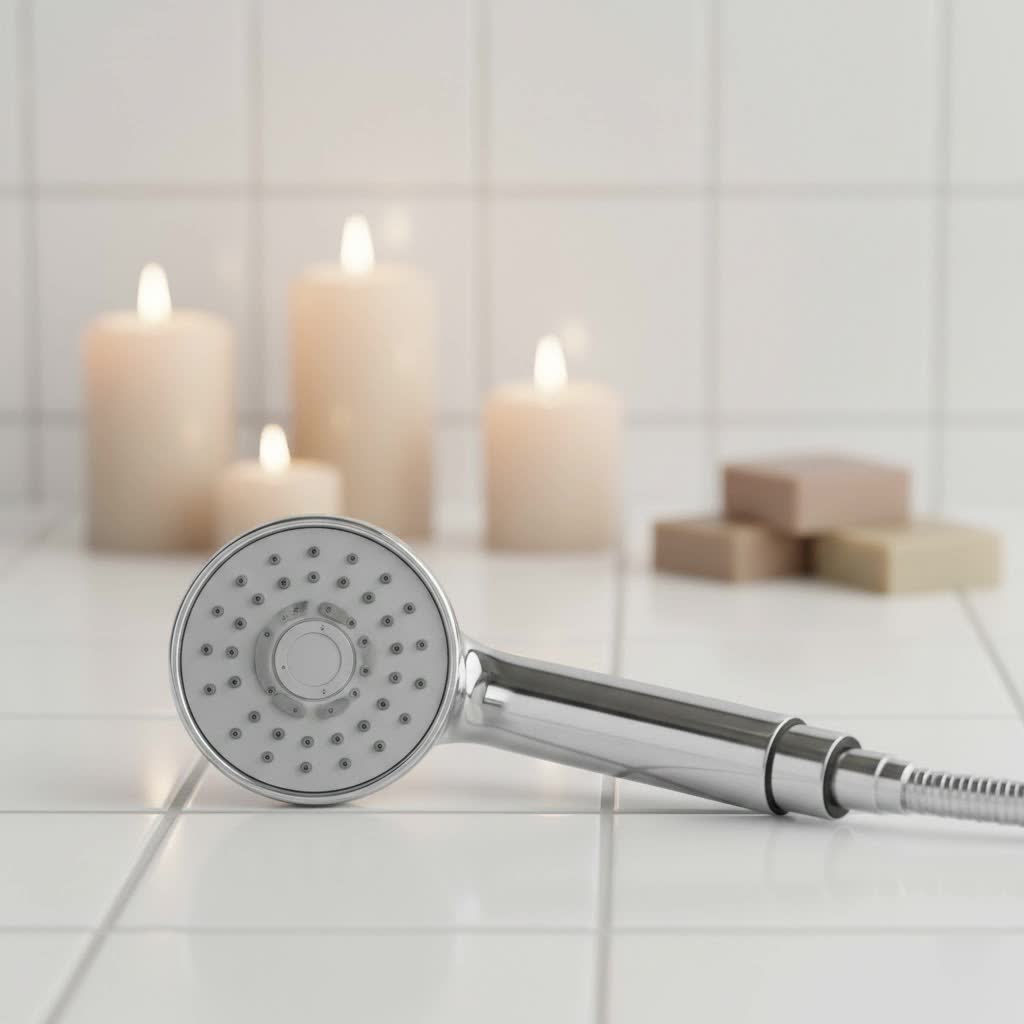
Have you ever considered just how much water flows down the drain during your daily shower? For the average family, showering accounts for a significant 17% of household water use, equating to approximately 40 gallons daily, or a staggering 1.2 trillion gallons annually across the U.S. A water-saving shower head is a simple yet impactful device designed to drastically reduce water consumption without compromising your showering experience. By making this one change, you can contribute to environmental conservation, lower your utility bills, and still enjoy a satisfying rinse. This comprehensive guide will equip you with all the knowledge needed to understand, choose, install, and maintain the perfect water-saving shower head for your home.
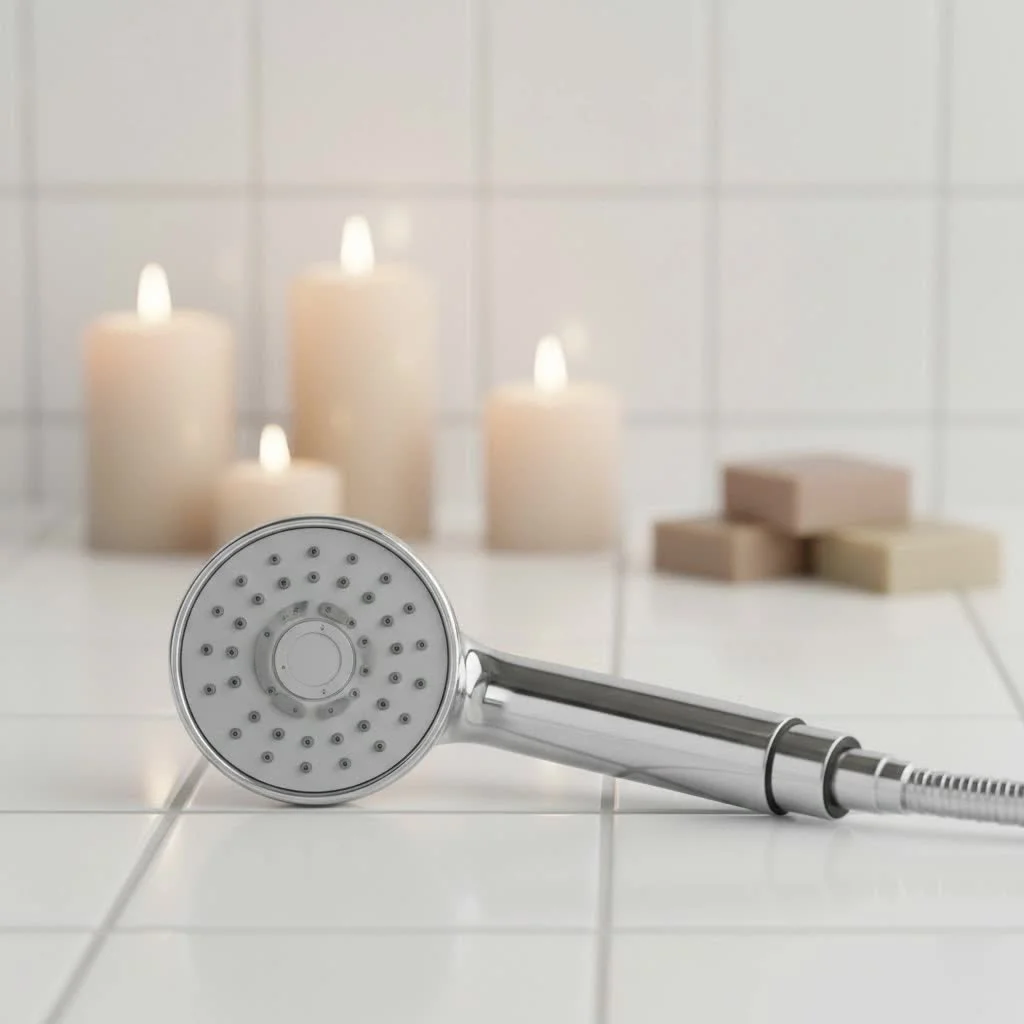
Water-Saving Shower Heads: An Overview and Evolution
Water-saving shower heads, often referred to as low-flow shower heads, are fixtures engineered to deliver an effective spray while significantly reducing the amount of water used. Unlike older, inefficient models that could discharge up to 10 gallons per minute (GPM), modern designs prioritize efficiency and user satisfaction, typically operating at 2.0 GPM or less. This evolution stems from a history where early “low-flow” attempts in the 1970s often led to unsatisfactory shower experiences due to poor spray force and coverage.
Today’s water-saving shower technology has advanced considerably. Innovations in design and engineering ensure that reduced water flow does not mean reduced performance. These sophisticated fixtures utilize various mechanisms to create a robust and enjoyable spray, even with less water. They embody a shift towards sustainable living, offering a practical solution to conserve precious resources while enhancing daily comfort. The global market for water-saving shower heads was valued at $1.5 billion in 2023 and is projected to more than double by 2032, indicating a growing consumer awareness and demand for eco-friendly solutions.
Types of Water-Saving Shower Heads: Function and Design
Water-saving shower heads come in a variety of types, each offering distinct features and benefits while adhering to principles of water efficiency. Understanding these classifications can help you select a model best suited for your bathroom and showering preferences.
Fixed Shower Heads
Fixed shower heads are traditional models mounted directly to the wall, offering a stationary spray. Water-saving fixed shower heads integrate low-GPM technology and advanced spray patterns to deliver a consistent and enjoyable experience. They are ideal for those seeking a straightforward, hands-free shower without the added complexity of adjustable hoses.
Handheld Shower Heads
Handheld shower heads feature a detachable hose, providing exceptional flexibility and control. Water-saving handheld models are incredibly versatile, making them perfect for bathing children, washing pets, or easily cleaning the shower enclosure. They often include multiple spray settings, allowing for a customized and water-efficient experience.
High-Pressure Water-Saving Shower Heads
|
Our Picks for the Best Shower Head in 2026
As an Amazon Associate I earn from qualifying purchases.
|
||
| Num | Product | Action |
|---|---|---|
| 1 | SparkPod Shower Head - High Pressure Rain - Premium Quality Luxury Design - Easy Clean Adjustable Replacement for Your Bathroom Shower Heads (Elegant Brushed Nickel, 6 Inch Round) |

|
| 2 | Shower Head with Handheld High Pressure, Rain Shower Head with Fixed Showerhead and 9 Sprays Handheld Shower, Detachable 2-IN-1 Shower head with 59" Rotatable Stainless Steel Hose (Chrome) |
|
| 3 | Cobbe All Metal Shower Head with Handheld – Solid Stainless Steel 3-Mode High Pressure Showerhead, Detachable Wand with 59" Hose & Adjustable Bracket Water Saving Eco-Flow, Brushed Nickel |
|
| 4 | High Pressure Rain Shower Head: Upgrade Shower Heads with Handheld Spray Combo with Fixed Showerhead and 10 Sprays Handheld Shower Head, Detachable Shower head Built-in Power Jets |
|
| 5 | High Pressure Rain Shower Head: Upgrade Shower Heads with Handheld Spray Combo with Fixed Showerhead and 10 Sprays Handheld Shower Head, Detachable Showerheads Built-in Magnetic Docking and Power Jets |
|
| 6 | SparkPod Shower Head - High Pressure Rain - Premium Quality Luxury Design - Easy Clean Adjustable Replacement for Your Bathroom Shower Heads (Egyptian Gold, 6 Inch Round) |
|
| 7 | High Pressure Rain Shower Head: Upgrade Shower Heads with Handheld Spray Combo with Fixed Showerhead and 10 Sprays Handheld Shower Head, Detachable Showerheads Built-in Magnetic Docking and Power Jets |
|
| 8 | SparkPod Shower Head - High Pressure Rain - Premium Quality Luxury Design - Easy Clean Adjustable Replacement for Your Bathroom Shower Heads (Luxury Polished Chrome, 6 Inch Round) |
|
| 9 | SparkPod Shower Head - High Pressure Rain - Premium Quality Luxury Design - Easy Clean Adjustable Replacement for Your Bathroom Shower Heads (Midnight Black Matte, 6 Inch Round) |
|
| 10 | SparkPod Shower Head - High Pressure Rain - Premium Quality Luxury Design - Easy Clean Adjustable Replacement for Your Bathroom Shower Heads (Charcoal Grey, 6 Inch Round) |
|
Many people associate low-flow with weak pressure, but modern high-pressure water-saving shower heads defy this stereotype. These innovative fixtures are specifically designed to optimize water pressure even at lower GPM ratings (e.g., 1.5-2.0 GPM) by utilizing advanced internal mechanisms like aeration or finely tuned nozzle configurations. They are an excellent choice for homes with naturally low water pressure or for individuals who prefer a more powerful rinse without wasting water.
Water-Saving Shower Heads (General)
The overarching category of water-saving shower heads encompasses any model designed to operate at 2.0 GPM or less, distinguishing them from standard 2.5 GPM shower heads. Their core technology involves flow restrictors and pressure-compensating components that regulate water usage effectively. By choosing these, you directly contribute to water conservation and can see a noticeable reduction in your utility bills.
Massage Shower Heads (Water-Saving)
For those who enjoy a therapeutic shower experience, water-saving massage shower heads offer various pulsating spray modes while maintaining water efficiency. These models typically feature adjustable settings that can deliver a strong, targeted stream to soothe sore muscles or provide a invigorating massage, all while adhering to lower GPM standards. They demonstrate that saving water doesn’t mean sacrificing comfort or luxury.
Filtered Shower Heads (Water-Saving)
Filtered shower heads combine the benefits of water conservation with improved water quality. These models typically contain a multi-stage filtration system that removes impurities like chlorine, heavy metals, and sediment from your shower water. When integrated with water-saving technology, they provide a healthier showering experience for your skin and hair, along with the environmental and economic advantages of reduced water usage.
Comparing Water-Saving Shower Head Technologies
Understanding the underlying technologies in water-saving shower heads is key to appreciating how they deliver a satisfying experience with less water. The primary mechanisms are aeration, laminar flow, and pressure compensation.
| Technology | Function | Perceived Pressure | Steam/Humidity | Best Use Case | GPM Range |
|---|---|---|---|---|---|
| Aerating | Mixes air into the water stream, creating a misty, full spray. | Moderate to Strong | Higher | General use, creating a “fuller” shower feel. | 1.5 – 2.0 GPM |
| Laminar Flow | Forms individual, non-aerated streams of water, often appearing as distinct columns. | Moderate | Lower | Humid climates, poorly ventilated bathrooms, reduced airborne contaminants. | 1.5 – 2.0 GPM |
| Pressure Compensating | Utilizes internal mechanisms to maintain a consistent flow rate despite variations in home water pressure. | Consistent, reliable | Varies | Homes with fluctuating or naturally low water pressure. | Maintains set GPM |
Aerating shower heads are widely popular for their ability to create a voluminous, misty spray that feels more powerful than the actual water volume suggests. Laminar flow shower heads, on the other hand, provide clear, steady streams of water without air, which can be beneficial in reducing humidity in a bathroom. Pressure-compensating shower heads are crucial for ensuring a consistent shower experience regardless of your home’s plumbing conditions, preventing frustrating fluctuations in water flow.
Essential Factors When Choosing Your Water-Saving Shower Head (Buying Guide)
Selecting the right water-saving shower head involves considering several crucial factors to ensure it meets your needs and provides a truly satisfying experience.
Water Pressure Compatibility
Before purchasing, it’s essential to understand your home’s existing water pressure. A shower head designed for high pressure may underperform in a low-pressure system, and vice-versa. Many water-saving shower heads are engineered with pressure-compensating features, which maintain a consistent flow rate even with varying input pressures. To gauge your home’s water pressure, you can use a simple flow rate test: place a gallon bucket under your shower head and time how long it takes to fill. If it fills in less than 24 seconds, your shower head is likely exceeding the 2.5 GPM standard. Choosing a water-saving model with a GPM of 2.0 or less is generally suitable for most homes.
Material and Durability
The material of your shower head impacts its longevity and appearance. Common materials include:
- Stainless Steel: Highly durable, resistant to rust and corrosion, and offers a sleek, modern aesthetic.
- Chrome: A popular finish for its shiny, reflective look and good resistance to tarnishing.
- Plastic: Often more affordable and lightweight, but may be less durable and prone to cracking or discoloration over time.
Investing in a shower head made from high-quality materials like stainless steel or brass components will ensure greater durability and resistance to wear, saving you from frequent replacements.
Functions and Spray Settings
Modern water-saving shower heads offer a range of functions and spray patterns to customize your shower. Popular options include:
- Rainfall: A soft, wide spray that mimics gentle rain, providing a relaxing, spa-like feel.
- Massage: A concentrated, pulsating stream designed to soothe sore muscles.
- Mist: A fine, gentle spray that uses very little water, ideal for quick rinses or humid environments.
- Full Coverage: A robust, even spray for thorough rinsing.
- Shampoo-Rinsing: Often a stronger, more focused stream to effectively remove shampoo and conditioner.
- Pause/Trickle Setting: Allows you to temporarily reduce water flow to a trickle while lathering or shaving, conserving water without losing your desired temperature.
Consider your personal preferences and the primary users of the shower when deciding on the most suitable spray options.
Size and Design Aesthetics
The physical size and aesthetic design of your water-saving shower head should complement your bathroom’s overall style and available space. Whether your bathroom is modern, traditional, or minimalist, there’s a water-saving shower head design to match. Consider the size of the shower head face – larger faces typically offer broader coverage, while smaller ones can provide a more focused, intense spray. Ensure the design integrates seamlessly with your existing fixtures for a cohesive look.
Brand Reputation and Cost-Effectiveness
When choosing a water-saving shower head, brand reputation often correlates with quality and performance. Reputable brands are more likely to offer products that reliably deliver on their water-saving promises without sacrificing the shower experience. The initial cost of a high-quality water-saving shower head can vary, but these investments often pay for themselves through significant savings on water and energy bills within a year. For instance, a quality low-flow shower head might cost around $20, but the long-term savings make it a highly cost-effective upgrade.
Ease of Installation and Cleaning
Many water-saving shower heads are designed for straightforward DIY installation, requiring minimal tools. Look for models that boast easy installation to avoid the need for professional plumbing services. Furthermore, regular cleaning is crucial for maintaining optimal performance and extending the lifespan of your shower head. Features like anti-clog nozzles or easy-to-clean surfaces can simplify maintenance, preventing mineral buildup that can reduce water flow and spray quality.
Top Considerations for WaterSense Labeled Shower Heads
When navigating the market for water-saving shower heads, the WaterSense label stands out as a critical indicator of both efficiency and performance. This label, sponsored by the U.S. Environmental Protection Agency (EPA), signifies that a product has met stringent criteria for water savings and user satisfaction.
A standard shower head uses 2.5 gallons per minute (GPM). To earn the WaterSense label, a shower head must demonstrate that it uses no more than 2.0 GPM, representing at least a 20% reduction in water use. However, the WaterSense program goes beyond mere flow rate. The EPA conducted extensive research and collaborated with industry stakeholders to develop specific performance criteria that ensure these products deliver a satisfactory shower. Key performance attributes include:
- Spray Force: Ensures the showerhead provides sufficient “pressure” for user satisfaction.
- Spray Coverage: Assesses how well the spray distributes water over the bather, preventing overly narrow or wide streams.
- Pressure Compensation: Guarantees the shower head will maintain a minimum flow across a range of household water pressures.
All WaterSense labeled shower heads are independently certified to ensure they meet these water efficiency and performance standards. This rigorous testing and certification process differentiates modern water-saving shower heads from earlier, often disappointing, low-flow models. By choosing a WaterSense labeled product, you are assured of both significant water and energy savings—the average family can save 2,700 gallons of water and over 330 kilowatt-hours of electricity annually, enough to power a house for 11 days. Nationally, widespread adoption could save billions of dollars in water and energy costs, alongside hundreds of billions of gallons of water.
Installation and Maintenance for Lasting Efficiency
Once you’ve chosen your ideal water-saving shower head, proper installation and consistent maintenance are key to maximizing its efficiency and extending its lifespan.
Step-by-Step Installation Guide
Installing a water-saving shower head is typically a simple DIY task that requires only a few basic tools:
- Gather Tools: You’ll likely need an adjustable wrench, plumber’s tape, and an old cloth or towel.
- Turn Off Water: While not always strictly necessary for shower head replacement, turning off the main water supply to your shower is a good safety measure to prevent drips.
- Remove Old Shower Head: Grasp the old shower head and unscrew it counter-clockwise from the shower arm. If it’s stuck, use an adjustable wrench, placing a cloth between the wrench and the shower arm to prevent scratches.
- Clean Threads: Use an old toothbrush or cloth to clean any mineral buildup or old plumber’s tape from the threads of the shower arm.
- Apply Plumber’s Tape: Wrap new plumber’s tape (also known as Teflon tape) clockwise around the threads of the shower arm three to four times. This creates a watertight seal and prevents leaks.
- Install New Shower Head: Screw the new water-saving shower head onto the shower arm clockwise by hand until it’s snug.
- Tighten (Gently): If needed, use the adjustable wrench to gently tighten it a quarter turn more, avoiding over-tightening which can damage the threads.
- Test for Leaks: Turn the water supply back on and check for any leaks.
Routine Cleaning and Care
Regular cleaning is vital for maintaining the performance of your water-saving shower head, preventing mineral buildup that can clog nozzles and reduce water flow.
- Vinegar Soak Method: For mineral deposits, remove the shower head and submerge it in a bowl of white vinegar for a few hours (or overnight for stubborn buildup). The vinegar dissolves calcium and other mineral deposits.
- Scrubbing: After soaking, use an old toothbrush to gently scrub the nozzles and face of the shower head to remove any remaining residue.
- Rinsing: Flush the shower head thoroughly with clean water before reattaching it.
- Filter Replacement: If your shower head includes a water filter, follow the manufacturer’s instructions for periodic replacement to ensure continued water quality benefits.
Making cleaning a regular part of your bathroom maintenance will ensure your water-saving shower head operates efficiently for years to come.
Troubleshooting Common Issues
Even with proper installation and maintenance, you might occasionally encounter issues with your low-flow shower head.
- Low Water Pressure: If the spray feels weak, first check for clogged nozzles due to mineral buildup (clean as described above). Also, ensure the water restrictor (if removable and permitted by local codes) has not shifted or become blocked. Sometimes, low pressure can be a household plumbing issue, requiring a professional plumber’s assessment.
- Uneven Spray Patterns: This is almost always caused by blocked nozzles. A thorough cleaning with vinegar will usually restore the spray pattern.
- Leaks: If water leaks from the connection point, try tightening the shower head gently with a wrench. If the leak persists, remove the shower head, reapply fresh plumber’s tape, and ensure it’s screwed on securely. If the leak is from the shower head body itself, it may indicate a defect or damage.
For persistent issues, especially those related to plumbing, consulting a qualified plumber is always recommended.
Conclusion
Embracing a water-saving shower head is a powerful step towards a more sustainable and economically sound home. From its advanced engineering that delivers a robust spray at a lower GPM to the significant reductions in water and energy bills, the benefits are undeniable. By choosing WaterSense-certified models, understanding different technologies like aeration and laminar flow, and considering factors such as water pressure and durability, you can select a fixture that perfectly aligns with your lifestyle. Simple installation and routine cleaning ensure lasting performance, allowing you to enjoy a luxurious shower experience while making a tangible positive impact on the environment. Isn’t it time your shower worked smarter, not harder, for both you and the planet?
Frequently Asked Questions
What is the ideal GPM for a water-saving shower head?
The ideal GPM for a water-saving shower head is generally 2.0 GPM or less. WaterSense labeled shower heads are certified to use no more than 2.0 GPM, offering a 20% reduction in water usage compared to standard 2.5 GPM models, all while ensuring a satisfying shower experience. Many efficient models even go as low as 1.5 GPM.
Do water-saving shower heads really improve water pressure?
Modern water-saving shower heads are designed with technologies like aeration and pressure compensation that optimize the spray force, often making the water pressure feel stronger or more consistent, even with less water. While they don’t increase your home’s actual water pressure, they enhance the perceived pressure for a satisfying rinse.
How often should I clean my water-saving shower head?
It’s recommended to clean your water-saving shower head every one to three months, or more frequently if you notice reduced flow or uneven spray patterns. Regular cleaning prevents mineral buildup, which can clog nozzles and diminish performance. A simple vinegar soak is often sufficient for effective descaling.
Are there rebates available for WaterSense shower heads?
Yes, many local water utilities and municipalities offer rebates or vouchers for homeowners who install WaterSense labeled products, including shower heads. These incentives further reduce the cost of upgrading to water-efficient fixtures. Check your local utility provider’s website for available programs in your area.
Can I install a water-saving shower head myself?
Yes, most water-saving shower heads are designed for easy DIY installation. With basic tools like an adjustable wrench and plumber’s tape, you can typically replace your old shower head in under 15 minutes. Simple instructions usually come with the product, or you can find numerous online guides.
Get our weekly buyer guide
Practical specs, not advice. Unsubscribe anytime.
