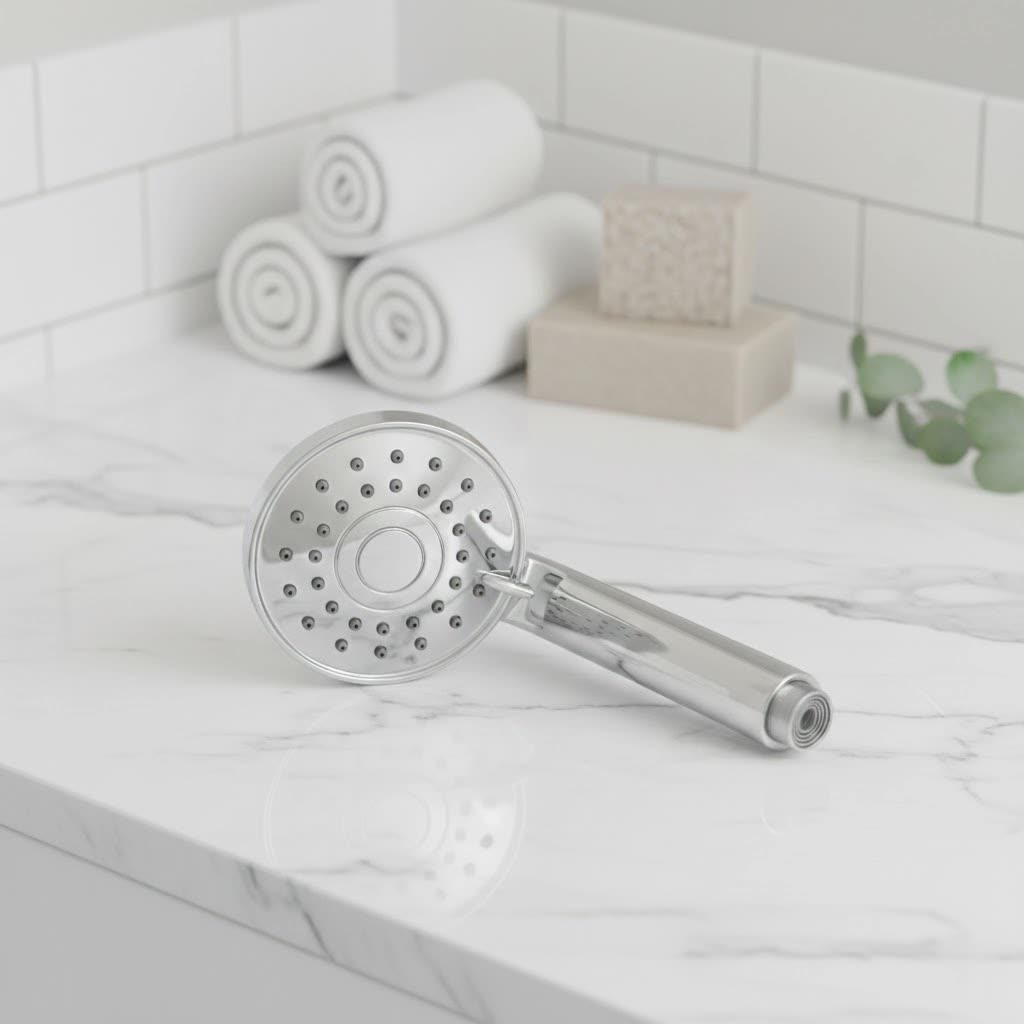
Are you tired of the limitations of a fixed shower head, struggling to rinse every corner of your body or clean your shower efficiently? Many homeowners yearn for a more versatile and comfortable showering experience. A shower head with a hose, often known as a handheld shower head, offers the perfect solution, transforming your daily routine from mundane to magnificent. This comprehensive guide will explore everything you need to know about these flexible fixtures, from their diverse types and remarkable benefits to essential buying considerations and installation tips, ensuring you find the ideal model to improve your bathroom.
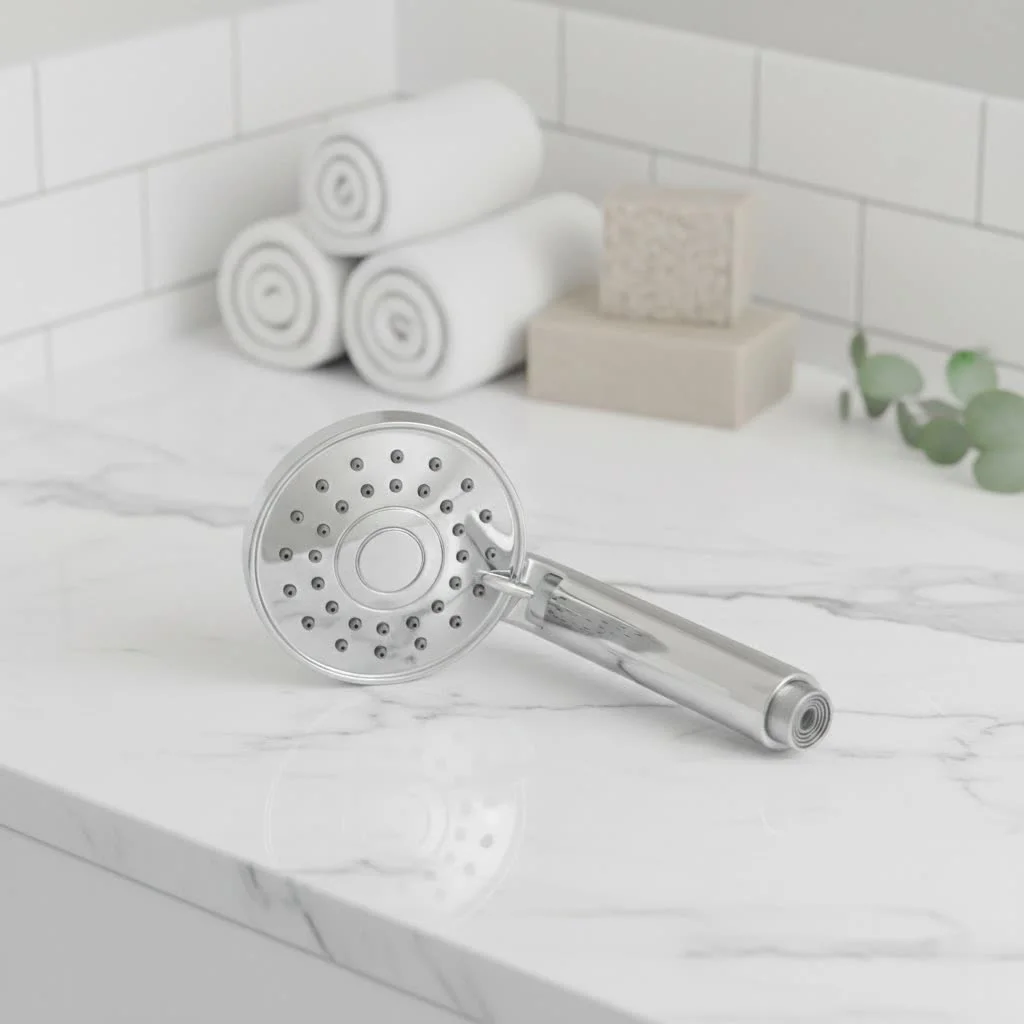
Shower Head with Hose: An Overview and Its Evolving History
Shower heads, at their core, are devices designed to spray water for bathing. The concept has evolved significantly over centuries, from rudimentary water pouring systems to the sophisticated fixtures we use today. Early shower designs were simple, often fixed overhead, offering a singular, static stream of water. However, as societies advanced and personal hygiene became a greater focus, the demand for more adaptable and convenient bathing solutions grew.
The introduction of the shower head with a hose marked a pivotal moment in this evolution. This innovation freed the water stream from its fixed position, allowing users unprecedented control and flexibility. Initially, these handheld units might have been basic, but over time, they’ve integrated advanced technologies, superior materials, and ergonomic designs to become a staple in modern bathrooms. Today, they are not just a convenience but an essential component for many, offering a blend of utility and luxury that traditional fixed heads cannot match.
Classifying Shower Heads with Hoses by Function and Design
Shower heads with hoses come in a variety of designs, each tailored to specific needs and preferences. Understanding these categories is crucial when choosing the perfect fit for your bathroom.
Fixed Shower Heads (A Brief Comparison)
While our focus is on handheld units, it’s important to understand the traditional fixed shower head for context. Fixed shower heads are permanently mounted to the wall or ceiling, offering a consistent, hands-free spray. They are known for their simplicity and durability, often providing a robust, enveloping rainfall experience or a focused stream. However, their primary limitation is the inability to direct water precisely, which is where the shower head with a hose truly shines.
Handheld Shower Heads
Handheld shower heads are the stars of this article, characterized by their flexible hose that allows you to hold and maneuver the shower head. This design brings unparalleled versatility to your showering routine.
- Advantages:
- Targeted Rinsing: Effortlessly rinse shampoo from thick hair or target specific body parts.
- Assisted Bathing: Ideal for individuals with limited mobility, allowing seated showering.
- Child and Pet Washing: Simplifies bathing children and pets with controlled water flow.
- Shower Cleaning: Makes rinsing down shower walls and tubs quick and easy.
- Hair Protection: Shower without getting your hair wet by simply directing the spray away.
- Disadvantages:
- May require a holder or docking system for hands-free use.
- The hose can sometimes accumulate mineral buildup and may require more frequent cleaning than a fixed head.
High-Pressure Shower Heads
|
Our Picks for the Best Shower Head in 2026
As an Amazon Associate I earn from qualifying purchases.
|
||
| Num | Product | Action |
|---|---|---|
| 1 | SparkPod Shower Head - High Pressure Rain - Premium Quality Luxury Design - Easy Clean Adjustable Replacement for Your Bathroom Shower Heads (Egyptian Gold, 6 Inch Round) |

|
| 2 | Cobbe All Metal Shower Head with Handheld – Solid Stainless Steel 3-Mode High Pressure Showerhead, Detachable Wand with 59" Hose & Adjustable Bracket Water Saving Eco-Flow, Brushed Nickel |
|
| 3 | SparkPod Shower Head - High Pressure Rain - Premium Quality Luxury Design - Easy Clean Adjustable Replacement for Your Bathroom Shower Heads (Luxury Polished Chrome, 6 Inch Round) |
|
| 4 | High Pressure Rain Shower Head: Upgrade Shower Heads with Handheld Spray Combo with Fixed Showerhead and 10 Sprays Handheld Shower Head, Detachable Showerheads Built-in Magnetic Docking and Power Jets |
|
| 5 | Shower Head with Handheld High Pressure, Rain Shower Head with Fixed Showerhead and 9 Sprays Handheld Shower, Detachable 2-IN-1 Shower head with 59" Rotatable Stainless Steel Hose (Chrome) |
|
| 6 | SparkPod Shower Head - High Pressure Rain - Premium Quality Luxury Design - Easy Clean Adjustable Replacement for Your Bathroom Shower Heads (Charcoal Grey, 6 Inch Round) |
|
| 7 | SparkPod Shower Head - High Pressure Rain - Premium Quality Luxury Design - Easy Clean Adjustable Replacement for Your Bathroom Shower Heads (Elegant Brushed Nickel, 6 Inch Round) |
|
| 8 | High Pressure Rain Shower Head: Upgrade Shower Heads with Handheld Spray Combo with Fixed Showerhead and 10 Sprays Handheld Shower Head, Detachable Showerheads Built-in Magnetic Docking and Power Jets |
|
| 9 | SparkPod Shower Head - High Pressure Rain - Premium Quality Luxury Design - Easy Clean Adjustable Replacement for Your Bathroom Shower Heads (Midnight Black Matte, 6 Inch Round) |
|
| 10 | High Pressure Rain Shower Head: Upgrade Shower Heads with Handheld Spray Combo with Fixed Showerhead and 10 Sprays Handheld Shower Head, Detachable Shower head Built-in Power Jets |
|
For homes with weak water pressure, a high-pressure shower head with a hose can be a major upgrade. These are engineered with internal mechanisms, such as smaller nozzle openings or unique flow-accelerating designs, to intensify the water flow, providing a more invigorating spray. This is particularly beneficial for deeply rinsing hair or for those who simply prefer a more powerful shower.
Water-Saving Shower Heads
Eco-conscious consumers and those looking to reduce utility bills will appreciate water-saving shower heads with hoses. These models incorporate flow restrictors that limit the water flow rate (measured in Gallons Per Minute, or GPM) typically to 1.8 GPM or less, compared to the standard 2.5 GPM. The best designs achieve this without sacrificing spray intensity, often through aeration or unique spray patterns that create the sensation of higher pressure with less water.
Massage Shower Heads
After a long day, a massage shower head with a hose can provide therapeutic relief. These units feature various spray modes, including pulsating or oscillating jets, designed to soothe sore muscles and reduce tension. The ability to direct these massage streams precisely where you need them, thanks to the hose, enhances their effectiveness significantly.
Filtered Shower Heads
Concerns about water quality are growing, making filtered shower heads with hoses an increasingly popular choice. These shower heads incorporate filter cartridges that remove impurities like chlorine, heavy metals, and sediment from the water. The benefits extend beyond cleaner water to healthier skin and hair, as chlorine can strip natural oils and cause dryness or irritation.
Comparison Table of Shower Head Types
To help you visualize the differences, here’s a detailed comparison focusing on handheld (with hose) features versus a standard fixed head:
| Feature | Fixed Shower Head | Handheld Shower Head (with Hose) |
|---|---|---|
| Functionality | Static, overhead spray; good for general rinse | Flexible, targeted spray; excellent for specific tasks |
| Design | Wall or ceiling mounted; minimalist | Detachable head with flexible hose; often includes a mount/dock |
| Versatility | Low; limited to fixed position | High; allows precise water direction, ideal for cleaning/bathing |
| Water Pressure | Dependent on home pressure and head design | Can be high-pressure or water-saving designs available |
| Spray Modes | Varies by model (rain, mist, full); usually fewer options | Wide range of adjustable modes (massage, mist, full, pause, power drench) |
| Ease of Use | Hands-free | Requires holding, but can be docked for hands-free use |
| Cleaning | Easier to clean shower walls around it | Excellent for rinsing down shower walls and corners |
| Installation | Generally simple DIY if replacing like-for-like | Simple DIY, involves attaching a mount and hose |
| Typical Cost | Varies widely, can be budget-friendly or high-end | Varies widely, slightly higher on average due to hose and mount |
| Overall Rating | Good for simplicity and specific aesthetic | Excellent for versatility, convenience, and specialized needs |
Factors to Consider When Buying a Shower Head with Hose (Buying Guide)
Choosing the perfect shower head with a hose requires careful consideration of several factors to ensure it meets your specific needs and bathroom setup.
Water Pressure
Your home’s existing water pressure is paramount. Before purchasing, it’s wise to test your water pressure. Some shower heads, especially larger rain-style models, require higher pressure to perform optimally. Conversely, if your home has low water pressure, look for high-pressure handheld models designed to boost flow, typically with a GPM between 1.5 and 2.5. In regions like California, regulations may limit GPM to 1.8, so always check local codes.
Material
The material of both the shower head and the hose affects durability, aesthetics, and price.
- Plastic: Often more affordable and lightweight, but can be less durable and prone to cracking or discoloration over time.
- Metal (Brass, Stainless Steel): More expensive but offers superior durability, resistance to corrosion, and a premium feel. Common finishes include chrome (sleek, affordable, easy to clean but shows water spots), brushed nickel (durable, resists water spots), bronze (bold, adds warmth), and matte black (modern, stylish, but may show calcium deposits).
- Hose Material: Look for flexible, kink-resistant hoses, often made of stainless steel or reinforced PVC, which also resist mineral buildup.
Functions and Spray Modes
The array of spray settings can dramatically enhance your shower experience. Common modes include:
- Rain/Wide Spray: A gentle, encompassing cascade, ideal for a relaxing shower.
- Massage/Pulsating: Focused, powerful jets for muscle relaxation and tension relief.
- Mist: A fine, soft spray, perfect for a refreshing cool down or delicate rinsing.
- Full Body: A balanced, invigorating spray for everyday use.
- Shampoo Rinsing: Often a stronger, more directed stream to effectively remove lather.
- Pause/Trickle: Temporarily reduces water flow to a trickle, saving water while lathering or shaving.
Consider your daily routines and preferences. Do you need a powerful spray to rinse thick hair, or do you prioritize a calming, spa-like experience?
Size and Design
The size of the shower head itself can influence water pressure and coverage. A diameter between 3.5 to 4 inches often strikes a good balance between pressure and coverage for handheld units. The overall design should complement your bathroom’s aesthetic, whether modern, traditional, or minimalist. Many shower heads with hoses come in combination sets, featuring a fixed rain head and a detachable handheld unit, offering the best of both worlds. Ensure the hose length is adequate for your needs – longer hoses (e.g., 6 feet or more) provide greater reach for cleaning or assisted bathing.
Brand and Price
Investing in a reputable brand often guarantees better quality, durability, and customer support. Popular brands known for quality shower heads with hoses include Moen, Delta, Waterpik, and Hotel Spa. Prices vary significantly based on material, features, brand, and design complexity. Set a budget, but that a slightly higher initial investment can lead to a more durable and satisfying product in the long run.
Ease of Installation and Cleaning
Most shower heads with hoses are designed for DIY installation, typically requiring only basic tools like an adjustable wrench and plumber’s tape. Look for models that boast “tool-free” installation or come with clear, step-by-step instructions. For maintenance, features like self-cleaning rubber nozzles are invaluable as they prevent mineral buildup and are easy to wipe clean, ensuring consistent performance over time.
Top Popular Shower Head with Hose Brands
While many excellent brands exist, a few consistently receive high praise for their quality, innovation, and user satisfaction in the handheld shower head category.
- Moen: Renowned for sleek designs and innovative features like their Magnetix docking system, which allows for easy detachment and secure reattachment of the handheld unit. Moen products often emphasize durability and modern aesthetics.
- Delta: A leader in faucet technology, Delta offers a wide range of shower heads with hoses, often featuring their H2Okinetic PowerDrench spray technology for an intense, full-coverage experience. They are known for reliability and thoughtful design, including dual shower systems.
- Waterpik: Often synonymous with high-pressure shower experiences, Waterpik excels in delivering invigorating spray settings. Their handheld models frequently feature multiple spray patterns and are popular for their effectiveness in increasing water pressure.
- Hotel Spa: This brand often provides budget-friendly options that don’t skimp on features, offering multiple spray settings and good water pressure, making luxury accessible.
- High Sierra Showerheads: Known for their water-saving yet powerful designs, High Sierra handhelds deliver a full cone spray of heavy droplets while conserving water, often featuring patented clog-free nozzles.
When choosing a brand, consider not only initial cost but also warranty, customer service, and the availability of replacement parts.
Installation and Maintenance Guide for Shower Heads with Hoses
Installing and maintaining a shower head with a hose is typically a straightforward process that most homeowners can handle.
Step-by-Step Installation Guide
You’ll generally need an adjustable wrench, plumber’s tape (Teflon tape), and a cloth.
- Remove the Old Shower Head: Turn off the water supply to your shower. Grasp the old shower head and turn it counter-clockwise. If it’s too tight, use an adjustable wrench, protecting the finish with a cloth.
- Clean the Shower Arm: Once the old head is off, clean any old plumber’s tape or mineral buildup from the threads of the shower arm extending from your wall.
- Apply Plumber’s Tape: Wrap new plumber’s tape clockwise around the threads of the shower arm three to four times. This creates a watertight seal.
- Attach the Holder Bracket: Your new shower head with hose will come with a holder or bracket. Ensure any rubber washers are seated inside the bracket’s threaded opening. Hand-tighten the bracket onto the shower arm until it’s snug and stable. If it has metal fittings, you can gently use a wrench for a firmer connection; for plastic, hand-tighten only to avoid cracking.
- Install the Hose: Check that rubber washers are in place at both ends of the flexible hose. Hand-tighten one end of the hose to the handheld shower unit and the other end to the bottom of the holder bracket.
- Dock the Handheld Shower Head: Place the handheld unit into its holder bracket. It should sit securely and pivot smoothly.
- Check for Leaks: Turn the water supply back on and run the shower. Inspect all connections for any drips or leaks. If you find any, turn off the water, unscrew the leaking connection, reapply plumber’s tape, and tighten again until it’s watertight.
Maintenance Tips to Extend Lifespan
Regular maintenance will keep your shower head with hose performing optimally and looking good.
- Regular Cleaning: To prevent mineral buildup (limescale), regularly wipe down the shower head and hose with a damp cloth. For stubborn deposits, soak the shower head in a solution of equal parts white vinegar and water for a few hours, then scrub with an old toothbrush.
- Clean Nozzles: Many modern shower heads have rubber nozzles that can be easily rubbed to dislodge mineral buildup. If your model doesn’t, a needle or toothpick can gently clear clogged holes.
- Check Hose for Kinks/Damage: Periodically inspect the hose for any signs of wear, kinks, or damage. Replace it if necessary to prevent leaks or reduced water flow.
- Inspect Washers: Over time, rubber washers can degrade. If you notice persistent leaks, replacing the washers in the connections can often solve the problem.
- Avoid Harsh Cleaners: Do not use abrasive cleaners or scouring pads, as these can damage the finish of your shower head and hose.
By following these simple installation and maintenance steps, you can ensure your shower head with a hose provides years of reliable and enjoyable performance.
Conclusion
A shower head with a hose is far more than a mere bathroom accessory; it’s a transformative upgrade that brings unparalleled versatility, convenience, and a touch of luxury to your daily routine. From making it easier to bathe children and pets to providing therapeutic massage settings and aiding those with limited mobility, the benefits are extensive. By understanding the different types, carefully considering factors like water pressure, material, and spray modes, and adhering to proper installation and maintenance, you can choose a shower head that perfectly aligns with your needs and enhances your overall bathing experience. Why settle for a static shower when dynamic control is within reach?
Frequently Asked Questions
What is the ideal hose length for a handheld shower head?
The ideal hose length typically ranges from 59 to 72 inches (around 5 to 6 feet). This length provides ample reach for most tasks, such as rinsing all body parts, washing children or pets, and cleaning the shower enclosure, without being excessively long and cumbersome.
Can I install a shower head with a hose myself, or do I need a plumber?
Most shower heads with hoses are designed for straightforward DIY installation. The process generally involves unscrewing your old shower head, cleaning the threads, applying plumber’s tape, and then hand-tightening the new bracket and hose. If you follow the manufacturer’s instructions, a plumber is usually not required.
Do shower heads with hoses usually have good water pressure?
Yes, many shower heads with hoses are designed to provide excellent water pressure. While some water-saving models may reduce flow (GPM), many incorporate high-pressure technologies or adjustable spray settings to deliver a strong, invigorating stream, even in homes with naturally lower water pressure.
How often should I clean my shower head and hose?
It’s recommended to clean your shower head and hose at least once a month to prevent mineral buildup and maintain optimal performance. If you live in an area with hard water, more frequent cleaning, perhaps every two weeks, may be beneficial to avoid clogs and ensure a consistent spray.
Get our weekly buyer guide
Practical specs, not advice. Unsubscribe anytime.

This guide was exactly what I needed! I’ve been wanting to upgrade my bathroom for a while, and the detailed breakdown of essential buying considerations made choosing a new shower head with a hose so much easier. I focused on models with good water efficiency, and the one I got is perfect. My daily routine feels so much more luxurious now.
I was so tired of my old fixed shower head, it was impossible to rinse my long hair properly. This guide really helped me understand the benefits of a handheld shower head. I ended up getting one with multiple spray settings, and it’s been a game-changer for both my showers and cleaning the tub. Highly recommend making the switch!
After reading about the different types, I decided to go with a high-pressure handheld model. The installation tips were super helpful, and I had it set up in about 20 minutes. The water pressure is fantastic now, much better than my old one. My only minor complaint is that the hose feels a little stiff at first, but it’s loosening up with use.
I was looking for something to make cleaning the shower easier, and a shower head with a hose seemed like the answer. While it definitely helps with rinsing down the walls, the model I picked out, which was in the mid-price range, doesn’t have as long a hose as I’d hoped. It still works, but I wish I’d paid more attention to the hose length considerations mentioned.