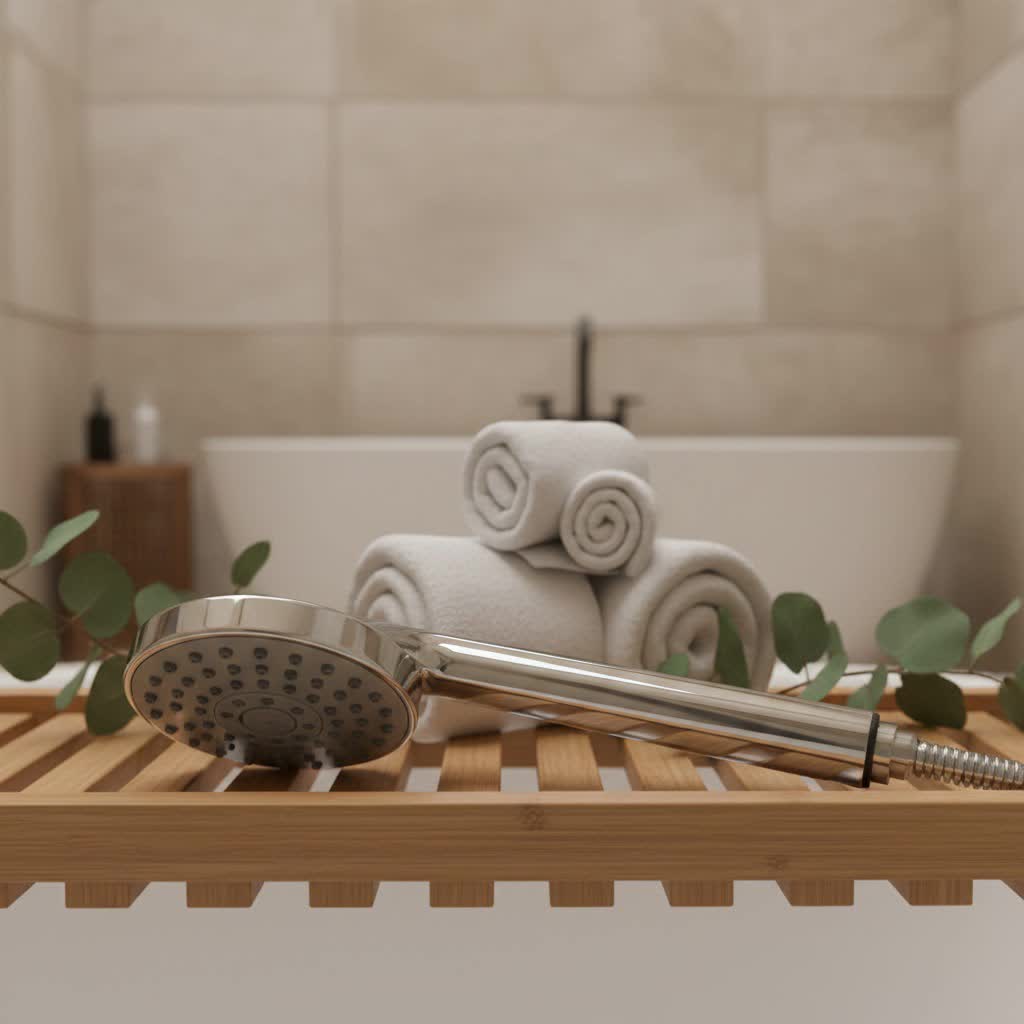
Stepping into a refreshing shower is one of life’s simple pleasures, a moment to invigorate the senses or unwind after a long day. But the experience is only as good as your equipment. Many homeowners overlook the critical role a quality shower head and hose play in transforming a mundane rinse into a spa-like retreat. As an experienced technician with a decade in the field, I understand the nuances of water flow, material durability, and ergonomic design. This comprehensive guide will navigate you through the world of shower heads and hoses, helping you unlock the perfect showering experience tailored to your unique needs.
Shower Head and Hose: Overview and Evolution
A shower head, typically the part that disperses water, and its accompanying hose, which delivers water, are fundamental components of any modern shower system. Their primary purpose is to deliver water efficiently and comfortably for personal hygiene. Yet, their utility extends far beyond simple washing, influencing water consumption, bathing accessibility, and even bathroom aesthetics.
The history of showering traces back to ancient civilizations, where rudimentary systems directed natural water flows over bathers. The concept evolved significantly in the 19th century with the invention of the modern plumbed shower, making it an indoor convenience. Early designs were often fixed, delivering a single stream. The true revolution for flexibility came with the widespread adoption of the handheld shower head, connected by a flexible hose, which originated from practices of rinsing after baths, particularly common in Europe. This innovation drastically improved usability, paving the way for the diverse range of shower heads and hoses we see on the market today.
Modern shower systems offer an incredible array of options. The most common types include fixed (or wall-mounted) shower heads, handheld shower heads with their flexible hoses, and combination units that offer both. Beyond these basic categories, innovations have introduced specialized functions like high-pressure, water-saving, massage, and filtered shower heads, each designed to address specific needs and preferences.
Classifying Shower Heads and Hoses by Function and Design
Understanding the different types of shower heads, especially those that come with a hose, is key to selecting the ideal setup for your bathroom. Each category offers distinct advantages and caters to varying user requirements.
Fixed Shower Heads
Fixed shower heads are permanently mounted to the wall or ceiling, offering a consistent and often robust water flow from a singular position. They are a classic choice, known for their simplicity and durability.
- Pros: Generally easy to install, less prone to leaks due to fewer moving parts, and often provide a powerful, focused spray. They can offer wide coverage, especially larger rain shower models.
- Cons: Lack flexibility, making tasks like bathing children, washing pets, or cleaning the shower area more challenging.
- Popular Designs: Include standard wall-mount, rain shower, and sometimes even low-profile designs that blend seamlessly with modern aesthetics.
Handheld Shower Heads
|
Our Picks for the Best Shower Head in 2026
As an Amazon Associate I earn from qualifying purchases.
|
||
| Num | Product | Action |
|---|---|---|
| 1 | SparkPod Shower Head - High Pressure Rain - Premium Quality Luxury Design - Easy Clean Adjustable Replacement for Your Bathroom Shower Heads (Egyptian Gold, 6 Inch Round) |

|
| 2 | Shower Head with Handheld High Pressure, Rain Shower Head with Fixed Showerhead and 9 Sprays Handheld Shower, Detachable 2-IN-1 Shower head with 59" Rotatable Stainless Steel Hose (Chrome) |
|
| 3 | SparkPod Shower Head - High Pressure Rain - Premium Quality Luxury Design - Easy Clean Adjustable Replacement for Your Bathroom Shower Heads (Luxury Polished Chrome, 6 Inch Round) |
|
| 4 | High Pressure Rain Shower Head: Upgrade Shower Heads with Handheld Spray Combo with Fixed Showerhead and 10 Sprays Handheld Shower Head, Detachable Showerheads Built-in Magnetic Docking and Power Jets |
|
| 5 | High Pressure Rain Shower Head: Upgrade Shower Heads with Handheld Spray Combo with Fixed Showerhead and 10 Sprays Handheld Shower Head, Detachable Shower head Built-in Power Jets |
|
| 6 | SparkPod Shower Head - High Pressure Rain - Premium Quality Luxury Design - Easy Clean Adjustable Replacement for Your Bathroom Shower Heads (Midnight Black Matte, 6 Inch Round) |
|
| 7 | SparkPod Shower Head - High Pressure Rain - Premium Quality Luxury Design - Easy Clean Adjustable Replacement for Your Bathroom Shower Heads (Elegant Brushed Nickel, 6 Inch Round) |
|
| 8 | Cobbe All Metal Shower Head with Handheld – Solid Stainless Steel 3-Mode High Pressure Showerhead, Detachable Wand with 59" Hose & Adjustable Bracket Water Saving Eco-Flow, Brushed Nickel |
|
| 9 | SparkPod Shower Head - High Pressure Rain - Premium Quality Luxury Design - Easy Clean Adjustable Replacement for Your Bathroom Shower Heads (Charcoal Grey, 6 Inch Round) |
|
| 10 | High Pressure Rain Shower Head: Upgrade Shower Heads with Handheld Spray Combo with Fixed Showerhead and 10 Sprays Handheld Shower Head, Detachable Showerheads Built-in Magnetic Docking and Power Jets |
|
Handheld shower heads are characterized by their flexibility. Attached to a long, flexible hose, they can be detached from their wall-mounted bracket, allowing you to direct the water flow precisely where needed.
- Pros: Unparalleled versatility for targeted rinsing, ideal for assisting children or the elderly, washing pets, and simplifying shower cleaning. Many models offer multiple spray settings.
- Cons: The hose can sometimes tangle or get in the way if too long, and connection points might be more prone to leaks over time if not properly maintained.
- Flexible Applications: Their ability to move freely makes them indispensable in multi-functional bathrooms or for users with specific accessibility needs.
High-Pressure Shower Heads
Designed to optimize water flow, high-pressure shower heads are engineered to deliver a powerful, invigorating spray, especially beneficial in homes with inherently low water pressure.
- Mechanism: These shower heads typically feature smaller nozzles, internal flow restrictors that accelerate water velocity, or air induction technology to create a forceful stream.
- Benefits: Provide a more satisfying rinse, help conserve water by reducing shower time, and can feel more effective for thick hair or dense lather. They turn a weak dribble into a robust shower.
- Suitability: Perfect for areas with naturally weak water pressure or for users who simply prefer a strong, stimulating shower experience.
Water-Saving Shower Heads
Also known as low-flow shower heads, these models are designed to significantly reduce water consumption without compromising the perceived quality of the shower experience.
- Technology: They utilize advanced aeration, flow optimization, and innovative spray patterns to deliver a satisfying shower using less water, often below the standard 2.5 gallons per minute (GPM).
- Environmental & Economic Benefits: Contribute to water conservation efforts, reduce energy costs associated with heating water, and lower your overall utility bills.
- Performance: Modern water-saving shower heads debunk the myth of weak low-flow showers, providing strong pressure and good coverage.
Massage Shower Heads
For those seeking a therapeutic shower experience, massage shower heads offer a variety of invigorating spray patterns beyond a standard stream.
- Massage Modes: Feature pulsating, oscillating, or targeted jet sprays designed to soothe sore muscles, relieve tension, and stimulate circulation.
- Health & Relaxation: Provide a spa-like sensation, turning your daily shower into a moment of physical and mental rejuvenation.
- Variety: Often come as part of multi-function shower heads, allowing users to switch between different spray types with ease.
Filtered Shower Heads
Filtered shower heads incorporate a built-in filtration system to remove impurities from your water supply, such as chlorine, sediment, and heavy metals.
- Purification: The integrated filter cartridge works to neutralize harmful chemicals and trap particulate matter before the water reaches your skin and hair.
- Skin & Hair Benefits: Reduces skin dryness and irritation, improves hair health and shine by preventing chemical damage, and can alleviate issues like eczema or dandruff aggravated by hard water.
- Considerations: Filters require periodic replacement, which adds to the ongoing cost and maintenance.
Comparing Shower Head Types
Choosing the right shower head and hose often comes down to balancing functionality, design, and budget. Here’s a comparative overview of the main types:
| Feature | Fixed Shower Head | Handheld Shower Head (with hose) | High-Pressure Shower Head | Water-Saving Shower Head | Massage Shower Head | Filtered Shower Head |
|---|---|---|---|---|---|---|
| Function | Stationary, broad coverage | Flexible, targeted rinsing, multi-purpose | Powerful, invigorating spray | Efficient water usage, eco-friendly | Therapeutic, muscle relaxation, varied spray patterns | Removes impurities, healthier skin/hair |
| Design | Wall/ceiling mounted, often minimalist or rain-style | Detachable, mounted on a bracket, connected by a hose | Standard or specialized nozzles to boost pressure | Aerated or flow-optimized nozzles | Multiple adjustable spray settings | Integrated filter cartridge |
| Price (Avg.) | Low to Moderate | Moderate to High | Moderate | Low to Moderate | Moderate to High | Moderate to High |
| Pros | Simple, reliable, easy installation | Versatile, great for kids/pets/cleaning, accessibility | Strong spray, effective rinsing, good for low pressure | Reduced water/energy bills, eco-conscious | Customizable, relaxing, invigorating | Improves water quality, beneficial for skin/hair |
| Cons | Lacks flexibility | Hose can tangle, more potential leak points, slightly more complex install | Can be too intense for some, may use more water if not low-flow | Initial perception of lower pressure (though improved) | May be pricier, not always water-saving | Requires filter replacement, can affect water flow slightly |
| Overall | A dependable standard for most bathrooms | The most versatile option for diverse households | Essential for enhancing weak water pressure | A smart choice for conscious consumers | Transforms showering into a wellness ritual | A health-focused upgrade for water quality concerns |
Key Factors to Consider When Buying a Shower Head and Hose
Making an informed decision requires evaluating several factors that impact performance, durability, and overall satisfaction.
Water Pressure
Understanding your home’s water pressure is fundamental. A shower head designed for high pressure might be overwhelming in a robust system, while a standard head might underperform in a low-pressure environment.
- Checking Your Pressure: Simple home tests or consulting a plumber can determine your average water pressure (measured in PSI or bar).
- Matching the Shower Head: For low pressure, consider high-pressure or power shower models. For strong pressure, you have more flexibility, but ensure the shower head can handle the flow without bursting. Water-saving models often optimize for varied pressures.
Material
The material of both the shower head and the hose dictates their durability, appearance, and longevity.
- Shower Head Materials:
- Plastic: Lightweight, affordable, and remains cool to the touch. Common for handhelds but less durable than metal.
- Chrome: A popular, affordable finish, easy to clean, and offers a sleek, shiny look.
- Nickel: Resists scratches and tarnish, comes in various finishes (brushed, polished), and is easy to clean.
- Brass/Bronze: Known for durability and classic darker finishes that complement neutral bathroom designs.
- Stainless Steel: Highly durable, rust-resistant, and offers a modern, industrial aesthetic.
- Hose Materials:
- Stainless Steel: The most durable choice, resistant to kinking, high pressure, heat, and corrosion. Offers a long lifespan (3-5 years). Ideal for high-pressure systems.
- PVC (Plastic): Lightweight, flexible, and budget-friendly. Less durable, may crack over time with high temperatures or heavy use (1-2 years lifespan).
- Reinforced Plastic: Offers a better balance of durability and cost than standard PVC, often featuring anti-kink properties.
- Chrome-Plated Plastic/Metal with Plastic Coating: Provides the aesthetic of chrome while offering some flexibility, with the plastic coating preventing pinching of skin or hair.
Functions and Spray Modes
Modern shower heads offer a spectrum of spray patterns to customize your shower experience.
- Common Modes:
- Rain/Full Spray: A soft, wide coverage mimicking rainfall.
- Massage/Pulsating: Targeted, invigorating bursts for muscle relief.
- Mist/Aerated: Gentle, fine spray, often water-saving.
- Jet/Concentrated: Strong, focused stream for powerful rinsing.
- Pause Mode: Slows water to a trickle, useful for shaving or lathering.
- Choosing for Your Needs: Consider who uses the shower and their preferences. A multi-function head offers versatility for different moods and tasks.
Size and Design
The physical dimensions and aesthetic style of your shower head and hose should complement your bathroom space and décor.
- Shower Head Size: Standard heads range from 3-6 inches in diameter; larger rain heads can be 8 inches or more. Larger heads provide more coverage but might require higher water pressure.
- Hose Length: Typically range from 1.25 meters (4 feet) to 2 meters (6.5 feet).
- 1.25m-1.5m: Ideal for smaller showers or if the shower head remains mostly fixed.
- 1.8m-2.0m: Provides maximum flexibility for larger spaces, bathing children/pets, or cleaning.
- Aesthetic Style: Match the finish and style (modern, classic, minimalist) of your shower head and hose to existing bathroom fixtures for a cohesive look.
Brand and Price
While budget is always a consideration, investing in reputable brands often ensures better quality, durability, and customer support.
- Reputable Brands: Brands like Delta, Moen, Waterpik, Hansgrohe, and Kohler are known for their innovation and quality in shower fixtures.
- Value vs. Cost: Cheaper options might save money upfront but can lead to frequent replacements or poor performance. Mid-range to high-end models typically offer superior materials, more features, and longer warranties. Look for drinking water-certified hoses to ensure safety.
Ease of Installation and Cleaning
A shower head and hose should be easy to install for the average DIYer and simple to maintain.
- Installation: Most shower heads and hoses use a universal 1/2-inch connection, making replacement straightforward. Check if necessary seals are included.
- Cleaning: Look for features like silicone nozzles that are easy to wipe clean of limescale. High-quality plastic hoses with smooth surfaces can be easier to clean than metal coiled ones where grime can accumulate. Anti-kink features also prevent frustrating tangles and flow restrictions.
Top Shower Head and Hose Brands
The market offers a wealth of brands, each with its strengths. Here are a few highly regarded manufacturers known for their quality shower heads and hoses:
- Delta Faucet: Widely praised for innovative spray technologies (like H2Okinetic), diverse designs, and reliable performance. They offer excellent handheld and dual shower head options.
- Moen: Known for sleek designs, durability, and user-friendly features, including magnetic docking systems for handheld showers that make reattaching effortless.
- Waterpik: Often highlighted for their high-pressure options and therapeutic massage settings, available in both fixed and handheld configurations, often at accessible price points.
- Hansgrohe: A premium European brand recognized for superior engineering, water efficiency, and sophisticated aesthetics across a wide range of fixed and handheld designs.
- Kohler: Offers a broad selection from traditional to modern, focusing on quality materials and a luxurious showering experience, including dual-function shower heads.
- SparkPod / Afina: Popular for filtered shower heads, catering to those concerned about water quality and skin/hair health.
When comparing brands, consider the specific features offered (e.g., number of spray settings, hose length, material), warranty, and how their aesthetic aligns with your bathroom.
Installing and Maintaining Your Shower Head and Hose
Proper installation and regular maintenance are crucial for ensuring the longevity and optimal performance of your shower head and hose.
Step-by-Step Installation Guide
Installing a new shower head and hose is typically a simple DIY task.
- Gather Tools: You’ll need an adjustable wrench, Teflon tape, and a cloth to protect finishes.
- Remove Old Fixture: Turn off the water supply to your shower. Use a wrench to unscrew the old shower head from the shower arm. If replacing the hose, unscrew it from both the shower head and the water supply (faucet or pipe). Clean any residual plumber’s tape or debris from the threads.
- Prepare Threads: Wrap new Teflon tape clockwise around the threads of the shower arm (and the water supply outlet if installing a new hose).
- Attach Hose (if applicable): Screw one end of the new shower hose onto the water supply outlet by hand until snug, then tighten slightly with a wrench (a quarter turn past hand-tight is usually sufficient). Be careful not to overtighten.
- Attach Shower Head to Hose: Screw the handheld shower head onto the other end of the hose by hand.
- Mount Handheld Bracket: Install the wall bracket for the handheld shower head according to manufacturer instructions.
- Test for Leaks: Turn the water supply back on and check for any leaks. If leaks occur, tighten slightly more or reapply Teflon tape.
Shower Head and Hose Maintenance Tips
Regular care can prevent mineral buildup and extend the life of your fixtures.
- Regular Cleaning: Use a mild bath cleaner and a soft cloth to wipe down the shower head and hose exterior regularly, preventing soap scum and mineral spots.
- Limescale Removal: For clogged nozzles or reduced spray, periodically soak the shower head (or the head end of the hose) in a solution of equal parts white vinegar and water. You can even place a plastic bag filled with vinegar over the shower head and secure it with a rubber band overnight.
- Hose Inspection: Check the hose periodically for kinks, cracks, or signs of wear. Replace a damaged hose promptly to prevent leaks and maintain water pressure.
- Filter Replacement: If you have a filtered shower head, replace the filter cartridge according to the manufacturer’s recommendations, typically every 3-6 months.
- Avoid Harsh Chemicals: Do not use abrasive cleaners or harsh chemicals, as these can damage the finish and materials of your shower head and hose.
Troubleshooting Common Issues
Most common problems are easy to address:
- Low Water Pressure:
- Check for clogs: Clean nozzles as described above.
- Inspect hose: Ensure no kinks or blockages in the hose.
- Remove flow restrictor: Some shower heads have a removable flow restrictor (check manufacturer instructions).
- Consider a high-pressure shower head: If your home has consistently low pressure.
- Leaks:
- Tighten connections: Ensure all connections are hand-tight, then a quarter turn with a wrench.
- Reapply Teflon tape: If tightening doesn’t stop the leak, unscrew, rewrap threads with fresh Teflon tape, and retighten.
- Check O-rings/Washers: Ensure rubber washers are properly seated and not damaged. Replace if necessary.
- Hose Kinking/Tangling:
- Install anti-kink hose: Upgrade to a stainless steel or reinforced plastic hose designed to resist kinking.
- Check hose length: A hose that is too long might be more prone to tangling.
Conclusion
Choosing the right shower head and hose is a personalized journey, deeply impacting your daily routine and overall bathroom experience. From understanding the core differences between fixed and handheld units to delving into the specifics of hose materials, spray patterns, and essential maintenance, this guide empowers you to make an informed decision. Remember to consider your home’s water pressure, your aesthetic preferences, and the specific needs of everyone using the shower. By selecting a high-quality shower head and hose and maintaining them diligently, you can transform your bathroom into a sanctuary of comfort and efficiency. What kind of shower experience are you dreaming of creating next?
Frequently Asked Questions
What is the ideal length for a shower hose?
The most popular and versatile shower hose length is 1.5 meters (about 59 inches), suitable for most standard households. However, for larger showers, bathing pets or children, or increased mobility, a longer hose of 1.8 to 2 meters (approximately 71-79 inches) offers maximum flexibility and reach.
Are metal or plastic shower hoses better?
Stainless steel metal hoses are generally more durable, resistant to kinking, heat, and high pressure, lasting 3-5 years. High-quality PVC (plastic) hoses are more flexible, lightweight, and affordable but typically less durable, needing replacement every 1-2 years. Your choice depends on priorities for longevity, flexibility, and budget.
How do I improve shower pressure with a handheld shower head?
If your handheld shower head has low pressure, first check for mineral buildup in the nozzles and clean them. Also, inspect the hose for kinks or blockages. If issues persist, consider installing a high-pressure handheld shower head, which uses internal mechanisms or smaller nozzles to boost water flow velocity effectively.
Can I install a shower head and hose myself?
Yes, installing most shower heads and hoses is a straightforward DIY task. They typically use universal 1/2-inch connections. You’ll need basic tools like an adjustable wrench and Teflon tape. Always remember to turn off the water supply before starting and hand-tighten connections, followed by a slight turn with a wrench, to avoid overtightening.
How often should I replace my shower hose?
The lifespan of a shower hose depends on its material and usage. Stainless steel hoses can last 3-5 years, while plastic or PVC hoses may need replacement every 1-2 years. Regularly inspect your hose for kinks, cracks, leaks, or wear and tear, and replace it promptly to maintain optimal performance and prevent water wastage.
Do filtered shower heads reduce water pressure?
Many modern filtered shower heads are designed to minimize any impact on water pressure. While the filtration cartridge can slightly restrict flow, reputable brands engineer their products to maintain a strong and satisfying spray. Always check the flow rate (GPM) of a filtered shower head to ensure it meets your expectations for pressure.
Get our weekly buyer guide
Practical specs, not advice. Unsubscribe anytime.
