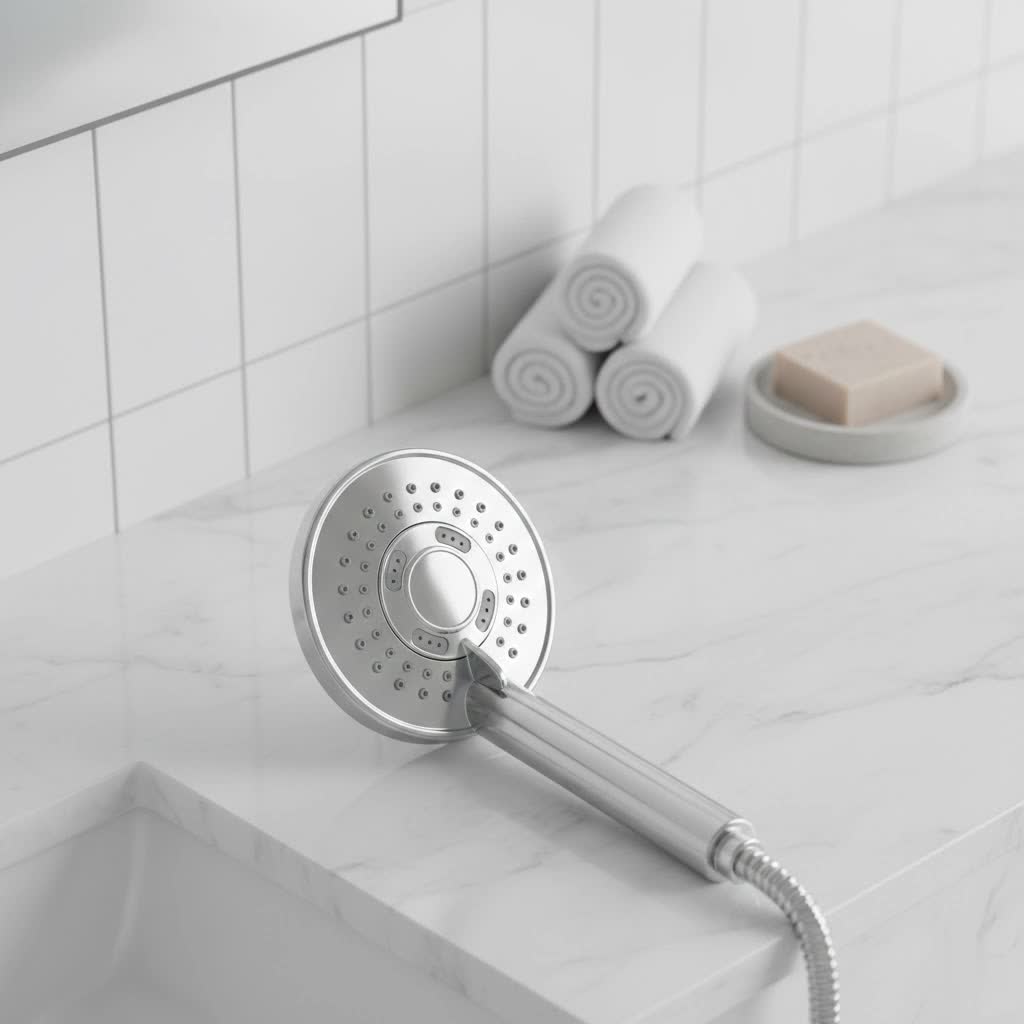
Stepping into a shower should be a moment of daily rejuvenation, a refreshing escape that washes away the day’s stresses. But does your current shower deliver that experience? Often, the unsung heroes of a truly invigorating shower are the right shower head and handle system. These essential components dictate everything from water pressure and temperature control to spray patterns and overall aesthetic. As a seasoned technician with over a decade of hands-on experience in shower systems, I’ve seen how the perfect combination can transform an ordinary bathroom into a personal sanctuary.
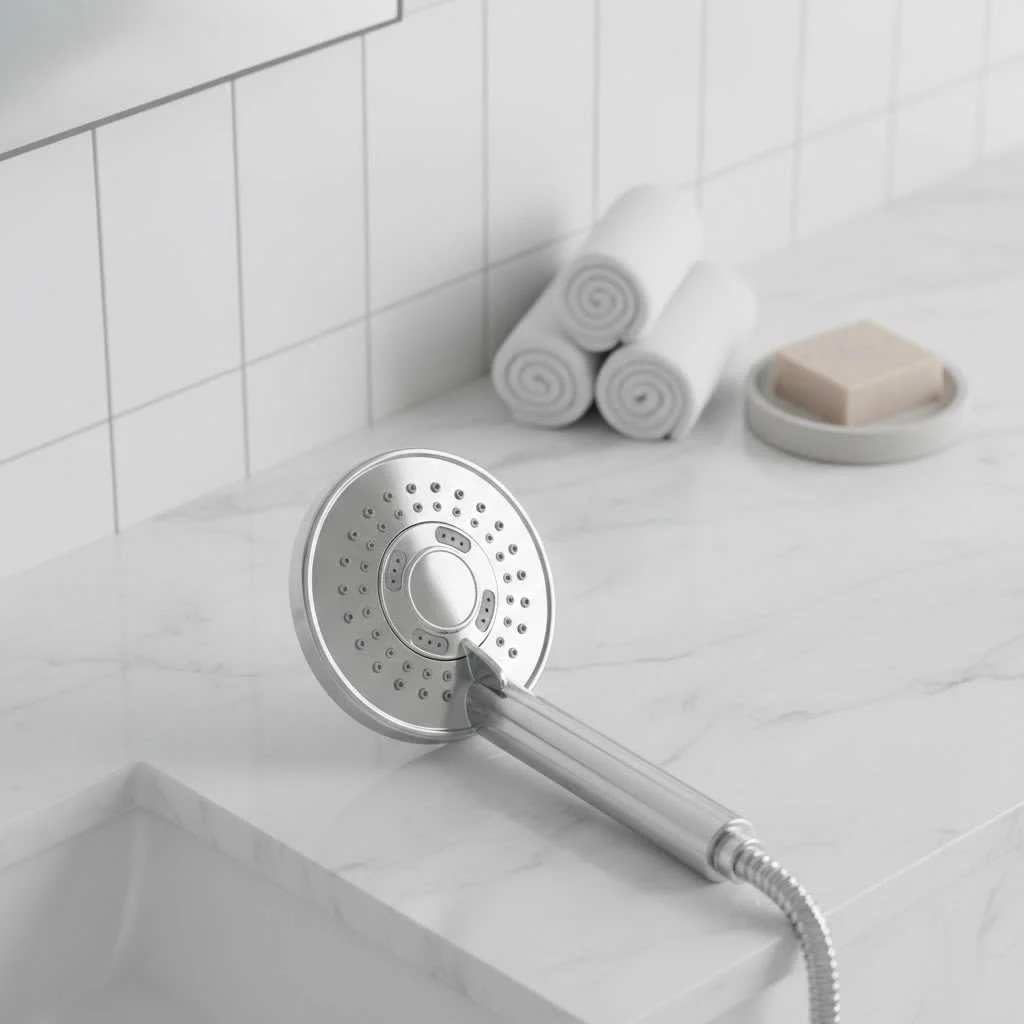
This comprehensive guide will dive deep into the world of shower heads and handles, exploring their evolution, diverse types, critical buying considerations, and essential maintenance tips. Whether you’re planning a full bathroom renovation or simply seeking an upgrade, understanding these components is key to unlocking your ideal showering experience. Join us as we explore how to find the perfect shower head and handle setup tailored to your specific needs and preferences. For best shower heads roundups on this site.
Shower Head and Handle: Overview and Evolution
The humble shower head has come a long way from its rudimentary beginnings. Originally simple nozzles designed to deliver a stream of water, modern shower heads are sophisticated devices engineered for comfort, efficiency, and style. Paired with equally advanced handles and faucet systems, they form an integrated unit that controls water flow, temperature, and spray functionality.
Historically, early showers were often communal and basic, lacking the individual control and privacy we cherish today. As plumbing technology advanced, so did the complexity and variety of shower systems. The introduction of the first shower head is often attributed to ancient Greeks and Egyptians for hygienic purposes, but it was in the 19th century that more recognizable domestic shower systems began to appear. Over time, innovations in materials, design, and water-saving technologies have transformed the shower head and handle into the diverse, high-performance fixtures available on the market today.
Modern shower systems typically consist of the shower head, which delivers the water, and the handle (or faucet), which controls the water supply, temperature, and often, the diverter to switch between different spray outputs or shower components. Together, they create a cohesive and functional showering experience.
Classifying Shower Head and Handle Systems by Function and Design
The market offers a vast array of shower head and handle combinations, each designed to cater to different preferences, bathroom styles, and functional requirements. Understanding these classifications is the first step in making an informed choice.
Fixed Shower Heads
|
Our Picks for the Best Shower Head in 2026
As an Amazon Associate I earn from qualifying purchases.
|
||
| Num | Product | Action |
|---|---|---|
| 1 | SparkPod Shower Head - High Pressure Rain - Premium Quality Luxury Design - Easy Clean Adjustable Replacement for Your Bathroom Shower Heads (Charcoal Grey, 6 Inch Round) |

|
| 2 | High Pressure Rain Shower Head: Upgrade Shower Heads with Handheld Spray Combo with Fixed Showerhead and 10 Sprays Handheld Shower Head, Detachable Showerheads Built-in Magnetic Docking and Power Jets |
|
| 3 | SparkPod Shower Head - High Pressure Rain - Premium Quality Luxury Design - Easy Clean Adjustable Replacement for Your Bathroom Shower Heads (Egyptian Gold, 6 Inch Round) |
|
| 4 | SparkPod Shower Head - High Pressure Rain - Premium Quality Luxury Design - Easy Clean Adjustable Replacement for Your Bathroom Shower Heads (Luxury Polished Chrome, 6 Inch Round) |
|
| 5 | SparkPod Shower Head - High Pressure Rain - Premium Quality Luxury Design - Easy Clean Adjustable Replacement for Your Bathroom Shower Heads (Elegant Brushed Nickel, 6 Inch Round) |
|
| 6 | High Pressure Rain Shower Head: Upgrade Shower Heads with Handheld Spray Combo with Fixed Showerhead and 10 Sprays Handheld Shower Head, Detachable Shower head Built-in Power Jets |
|
| 7 | SparkPod Shower Head - High Pressure Rain - Premium Quality Luxury Design - Easy Clean Adjustable Replacement for Your Bathroom Shower Heads (Midnight Black Matte, 6 Inch Round) |
|
| 8 | Cobbe All Metal Shower Head with Handheld – Solid Stainless Steel 3-Mode High Pressure Showerhead, Detachable Wand with 59" Hose & Adjustable Bracket Water Saving Eco-Flow, Brushed Nickel |
|
| 9 | High Pressure Rain Shower Head: Upgrade Shower Heads with Handheld Spray Combo with Fixed Showerhead and 10 Sprays Handheld Shower Head, Detachable Showerheads Built-in Magnetic Docking and Power Jets |
|
| 10 | Shower Head with Handheld High Pressure, Rain Shower Head with Fixed Showerhead and 9 Sprays Handheld Shower, Detachable 2-IN-1 Shower head with 59" Rotatable Stainless Steel Hose (Chrome) |
|
Fixed shower heads are a classic and widely adopted choice, mounted directly onto the shower wall or ceiling. They offer a stable, consistent water flow and a clean, minimalist aesthetic. Their primary advantage lies in their simplicity and durability, often requiring less maintenance due to fewer moving parts. However, their fixed position can limit flexibility for users who prefer to direct the water spray or clean specific areas. They are available in various shapes and sizes, from compact designs to large rain-style heads, and typically pair with single or dual-handle systems.
Handheld Shower Heads
Valued for their versatility and convenience, handheld shower heads come with a flexible hose, allowing users to detach the head from its mount and direct water precisely where needed. This makes them exceptionally suitable for rinsing hair, cleaning the shower enclosure, assisting children or pets, or for individuals with mobility challenges. They often feature multiple spray settings, enhancing the showering experience. Handhelds are typically integrated into a system with a fixed mount and a diverter on the handle to switch between the main head and the wand.
High-Pressure Shower Heads
For those who crave an invigorating and powerful rinse, high-pressure shower heads are engineered to deliver a strong stream of water, even in homes with naturally low water pressure. They achieve this through optimized internal mechanisms and clever nozzle designs that concentrate water flow, providing a more forceful spray. While they offer an intense showering experience, it’s important to consider their potential impact on water consumption if not designed with efficiency in mind. These often work well with simple single-handle controls.
Water-Saving Shower Heads
Environmentally conscious consumers and those looking to reduce utility bills often opt for water-saving (or low-flow) shower heads. These models utilize advanced technology to maintain the sensation of higher water pressure while significantly decreasing water usage. Technologies like flow restrictors and aerators ensure a consistent, satisfying spray pattern at a reduced flow rate, typically measured in gallons per minute (GPM). Many modern handles are also designed to complement these water-saving features.
Massage Shower Heads
Designed for therapeutic benefits and ultimate relaxation, massage shower heads feature various spray modes, including pulsating or targeted streams. These settings can help soothe tired muscles, alleviate tension, and create a spa-like experience right in your bathroom. They often come as multi-function fixed or handheld units, with controls on the shower head itself or integrated into a sophisticated handle system.
Filtered Shower Heads
Filtered shower heads incorporate a filtration system designed to remove impurities from the water, such as chlorine, sediment, and certain heavy metals. This can lead to healthier skin and hair, reduce hard water buildup, and even improve the scent of the water. They are particularly beneficial in areas with hard water or where water quality is a concern. Filtered heads can be found in various designs, often as fixed or handheld units, and integrate seamlessly with standard handle systems.
Handle System Types
Beyond the shower head, the handle system plays a crucial role in controlling your shower.
- Single-Handle Shower System: The most common design, featuring one lever or knob to control both water temperature and flow. They are simple, intuitive, and offer a clean aesthetic.
- Dual-Handle Shower System: These traditional systems have separate controls for hot and cold water, offering precise temperature adjustment. They often require more effort to balance the temperature but can provide a classic look.
- Thermostatic Shower System: Advanced systems that automatically maintain a stable water temperature, preventing sudden spikes or drops, ensuring safety and comfort. They often have one handle for temperature and another for flow or diverting water.
- Pressure-Balancing Shower System: Similar to thermostatic systems, these automatically adjust water pressure to prevent scalding or sudden cold shocks if water is used elsewhere in the house.
- Digital Shower System: High-tech options with programmable temperature, flow rate, and even smart presets, offering ultimate customization and a modern, minimalist interface.
Comparison Table: Shower Head and Handle Systems
| Feature | Fixed Shower Head | Handheld Shower Head | High-Pressure Shower Head | Water-Saving Shower Head | Massage Shower Head | Filtered Shower Head |
|---|---|---|---|---|---|---|
| Functionality | Consistent, direct spray | Flexible, directed spray | Powerful, invigorating spray | Efficient water use, steady spray | Pulsating, targeted streams | Removes impurities, clean water |
| Design | Wall/ceiling mounted, minimalist | Detachable wand with hose | Various designs, optimized nozzles | Standard to modern aesthetics | Often multi-function, varied spray | Integrated filter cartridge |
| Price Range | Mid | Mid to High | Mid to High | Mid | Mid to High | Mid to High |
| Pros | Simple, durable, consistent | Versatile, easy cleaning, pet/child friendly | Strong flow, great for thick hair | Eco-friendly, lower water bills | Relaxing, therapeutic | Healthier skin/hair, reduces buildup |
| Cons | Less flexibility | Can be less aesthetically clean | Potentially higher water usage | May feel less powerful for some | Specific preference, complex options | Filter replacement costs |
| Overall Rating | Good for basic needs | Excellent for versatility | Great for low pressure | Smart, economical choice | Ideal for relaxation | Beneficial for water quality |
Key Factors When Selecting Your Shower Head and Handle
Choosing the right shower head and handle involves more than just aesthetics; it’s about optimizing your daily routine for comfort, efficiency, and longevity. Consider these crucial factors before making your purchase.
Water Pressure
Understanding your home’s water pressure is paramount. Homes with naturally low water pressure may benefit significantly from a high-pressure shower head to enhance the flow. Conversely, if you have strong water pressure, almost any shower head will perform well, and you might even consider water-saving models without sacrificing performance. Check your home’s water pressure, or consult a plumber, to ensure compatibility and optimal functionality with your chosen system.
Material
The material of your shower head and handle directly impacts its durability, appearance, and resistance to corrosion and mineral buildup. Common materials include:
- Plastic: Affordable, lightweight, and resistant to rust, but can be less durable over time.
- Metal (Brass, Stainless Steel): More durable, resistant to corrosion, and offer a premium feel. They tend to be more expensive but last longer.
- Finishes: Chrome, brushed nickel, matte black, bronze, and polished brass are popular finishes that contribute significantly to your bathroom’s overall design. Chrome is durable and easy to clean, while brushed nickel offers a warmer, softer look. Choose a finish that complements your existing bathroom fixtures.
Functionality and Spray Modes
Modern shower heads boast a variety of spray functions and modes, catering to diverse preferences. Common options include:
- Rainfall: A gentle, drenching spray that mimics natural rain.
- Massage/Pulsating: Strong, intermittent bursts for therapeutic relief.
- Mist: A fine, soft spray for a gentle, spa-like experience.
- Full Body: A broad, consistent spray for complete coverage.
- Aerated: A softer spray mixed with air for a light, effervescent feel.
Consider which modes align with your desired showering experience, whether it’s an invigorating morning rinse or a relaxing evening unwind.
Size and Design
The size and design of your shower head and handle should harmonize with your bathroom space and aesthetic.
- Shower Head Size: Larger heads (like rain showers) offer wider coverage but might splash more in smaller enclosures. Smaller, more compact heads are ideal for tighter spaces.
- Handle Design: Choose between single-handle, dual-handle, or even digital controls based on your preference for simplicity or precise temperature manipulation. Ensure the handle’s style—modern, traditional, minimalist—matches your bathroom’s decor.
Brand and Price
Investing in reputable brands often ensures better quality, performance, and warranty support. While some brands might come with a higher price tag, they frequently offer superior materials, advanced technology, and longer lifespans. Research well-known manufacturers and read reviews to gauge reliability. Set a budget, but remember that a slightly higher initial investment can prevent future headaches and provide a more satisfying long-term experience.
Ease of Installation and Cleaning
Consider how easily the system can be installed and maintained. Many shower heads are designed for DIY installation, requiring only basic tools and Teflon tape. For handle systems, especially those involving valve replacement, professional installation might be necessary. Regarding cleaning, look for features like rubber nozzles that allow for easy mineral deposit removal with a simple rub. Regular cleaning is essential to maintain optimal performance and extend the life of your shower head and handle.
Top Shower Head and Handle Brands
The market features several leading brands known for their innovation, quality, and diverse product offerings. Here are a few highly-regarded names:
- Moen: Known for stylish designs and innovative features like Magnetix handheld shower heads, Moen offers a wide range of reliable options, often incorporating water-saving technologies.
- Delta Faucet: A pioneer in water technology, Delta produces shower heads with features like H2Okinetic Technology for a warmer, drenching spray, and Touch2O Technology for easy on/off control on their faucets.
- Waterpik: Often praised for their high-pressure and dual shower head systems, Waterpik provides excellent value for those seeking powerful and versatile spray options.
- Kohler: Offering premium designs and advanced functionality, Kohler is a go-to for luxury and sophisticated bathroom fixtures, including integrated shower systems.
- American Standard: A long-standing brand focusing on durability and performance, American Standard provides a range of dependable shower and faucet options suitable for various budgets.
Each brand offers a unique blend of features, aesthetics, and price points, so exploring their specific product lines will help you find the perfect fit.
Installation and Maintenance Guide for Your Shower Head and Handle
Proper installation and regular maintenance are crucial for ensuring the longevity and optimal performance of your shower head and handle system.
Step-by-Step Installation Guide (General)
While specific instructions vary by model, here’s a general guide for a basic shower head and handle installation:
- Turn off Water Supply: Locate the main water shut-off valve for your bathroom or entire home and turn it off to prevent leaks.
- Remove Old Components:
- For the shower head, twist the connecting nut counterclockwise, often with pliers or a wrench.
- For handles, typically remove a decorative cap, unscrew a retaining screw, and then pull off the handle. You may need to remove a trim plate (escutcheon) and possibly the valve cartridge behind it.
- Prepare for New Installation:
- Clean the shower arm threads and the area around the handle valve.
- Wrap plumber’s tape (Teflon tape) clockwise around the threads of the shower arm and any new valve connections to ensure a watertight seal.
- Install New Shower Head: Screw the new shower head clockwise onto the shower arm by hand until snug, then tighten slightly with a wrench if necessary, but avoid over-tightening.
- Install New Handle System:
- If replacing the valve, follow manufacturer instructions for securing it into the wall.
- Install the new trim plate (escutcheon) over the valve.
- Place the handle adapter onto the valve stem (if applicable), then slide the handle onto the adapter or valve stem.
- Secure the handle with its retaining screw and replace any decorative caps.
- Test for Leaks: Slowly turn the water supply back on and check all connections for leaks. Test the shower head’s spray patterns and the handle’s temperature and flow controls.
Always refer to your specific product’s instruction manual for detailed, model-specific installation steps.
Maintenance Tips for Extended Lifespan
Regular care will keep your shower system performing at its best:
- Clean Regularly: To prevent mineral buildup and maintain optimal water flow, clean your shower head nozzles monthly. Many modern heads have rubber nozzles that you can simply rub to dislodge deposits. For tougher buildup, fill a plastic bag with a 50/50 mixture of white vinegar and water, secure it around the shower head, and let it soak for 1-2 hours (or overnight for severe buildup). Remove the bag, scrub with an old toothbrush, and run hot water.
- Inspect for Leaks: Periodically check all connections for drips or leaks. A small drip can waste a significant amount of water and money over time. Tighten loose connections or replace worn washers and seals as needed.
- Check Water Pressure: If your water pressure decreases, it could indicate a clog in the shower head, an issue with your home’s plumbing, or a worn-out flow restrictor. Address clogs first before exploring deeper plumbing issues.
- Lubricate Moving Parts: For handles with stiff operation, a small amount of plumber’s grease can lubricate internal components, improving smoothness.
“A well-maintained shower system isn’t just about aesthetics; it’s about preserving water quality, ensuring consistent performance, and extending the life of your investment. Simple regular care can prevent costly repairs down the line.” – John Smith, Master Plumber and Bathroom Remodeling Expert
Conclusion
The journey to finding the perfect shower head and handle system is an investment in your daily comfort and your home’s value. From the historical evolution of these essential fixtures to the myriad of modern options available, understanding their functions, designs, and maintenance requirements empowers you to make a choice that truly enhances your bathing experience.
Whether you prioritize a powerful, high-pressure spray, the soothing embrace of a rainfall head, the practical flexibility of a handheld, or the precision of a thermostatic handle, there’s a system designed to meet your every desire. By considering factors like water pressure, material quality, spray functionality, and ease of maintenance, you can ensure your selection not only looks fantastic but performs flawlessly for years to come.
Ready to transform your daily routine? Which shower head and handle combination speaks most to your ideal shower experience?
Frequently Asked Questions
What is the most important factor when choosing a new shower head?
The most important factor is often your home’s water pressure and your personal preference for water flow intensity. Understanding your existing water pressure helps you select a shower head—whether high-pressure or water-saving—that will perform optimally and meet your expectations for an invigorating or gentle rinse.
Can I install a new shower head and handle myself?
Many basic shower head installations are DIY-friendly and only require simple tools and plumber’s tape. Replacing a shower handle system, especially if it involves replacing the internal valve, can be more complex and may benefit from professional plumbing expertise to ensure proper installation and prevent leaks.
How often should I clean my shower head?
It is recommended to clean your shower head monthly to prevent the buildup of mineral deposits and maintain optimal water flow. For homes with hard water, more frequent cleaning, or soaking in a vinegar solution, may be necessary to keep nozzles clear and functioning effectively.
What’s the difference between a thermostatic and a pressure-balancing shower handle?
A thermostatic shower handle maintains a constant water temperature by mixing hot and cold water to a set degree, preventing scalding. A pressure-balancing handle reacts to changes in water pressure to prevent sudden temperature fluctuations, protecting against both scalding and cold shocks if someone flushes a toilet or turns on a tap elsewhere.
Get our weekly buyer guide
Practical specs, not advice. Unsubscribe anytime.
