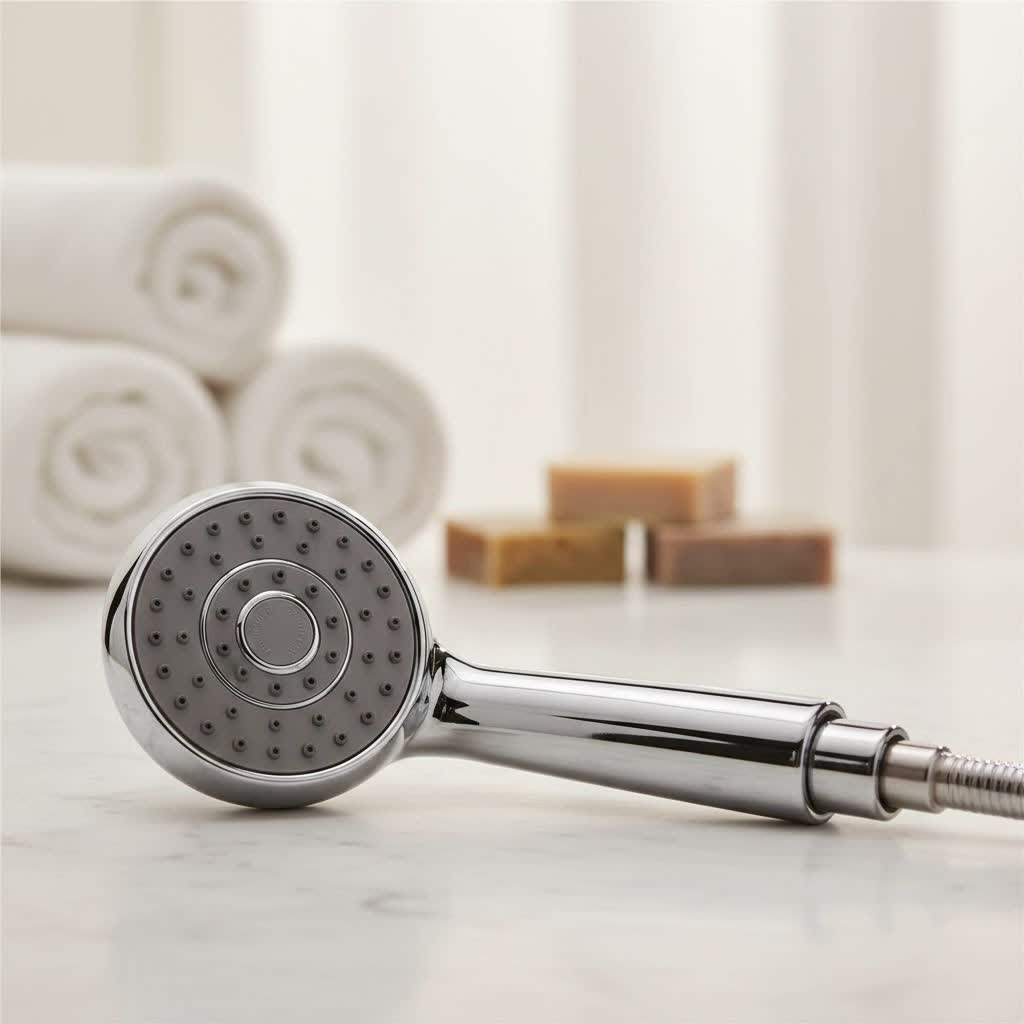
Stepping into a shower should be more than just a routine; it should be a refreshing escape, a moment of tranquility, or a revitalizing start to your day. Yet, many of us settle for a less-than-ideal showering experience, often overlooking the critical role of two components: the shower head and arm. These fixtures are the heart of your shower, dictating everything from water pressure and spray patterns to the overall aesthetic and functionality of your bathroom. Choosing the right combination can transform your daily cleanse into a luxurious, spa-like experience tailored precisely to your preferences. Whether you’re seeking a powerful massage, a gentle rainfall, or simply better reach and adjustability, understanding the synergy between your shower head and its supporting arm is key to unlocking your perfect shower.
Shower Head and Arm: Overview and Evolution
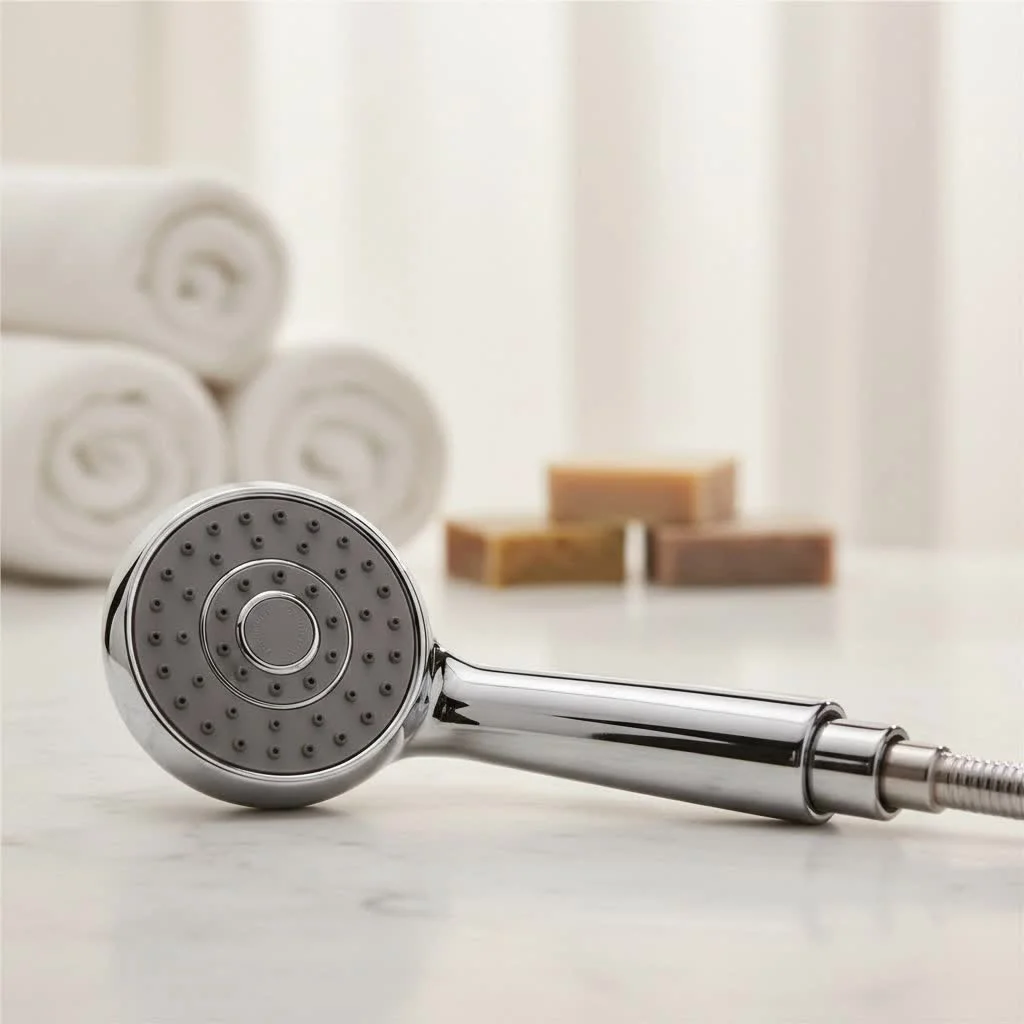
The humble shower head, a fixture now ubiquitous in homes worldwide, has a rich history of innovation aimed at improving personal hygiene and comfort. From early, rudimentary overhead water delivery systems to the sophisticated multi-function devices of today, the evolution of the shower head reflects a continuous pursuit of efficiency, relaxation, and aesthetic integration. Initially simple nozzles, shower heads have branched into diverse categories, each offering unique benefits. The shower arm, often considered a secondary component, is in fact a crucial element that connects the shower head to your plumbing, extending it from the wall or ceiling and profoundly impacting the shower’s reach, height, and angle. For see our shower heads recommendations on this site.
Over time, designs have moved from basic, fixed extensions to a variety of shapes and lengths that cater to different shower head styles and user needs. The careful selection of both the shower head and arm ensures not just optimal water flow and spray, but also proper ergonomic positioning and a cohesive bathroom design. Modern advancements have introduced features like water-saving technologies, filtration systems, and therapeutic massage functions, making the duo a focal point of bathroom design and personal wellness.
Classifying Shower Heads and Arms by Function and Design
The world of shower heads and arms offers a vast array of choices, each designed to cater to specific needs and preferences. Understanding their classifications by function and design is the first step toward finding your ideal showering solution.
Fixed Shower Heads and Compatible Arms
Fixed shower heads, also known as wall-mounted shower heads, are permanently installed directly onto a shower arm extending from the wall. They are known for their sturdy construction and consistent spray.
- Advantages: Durability, simple operation, often more affordable, and a clean, minimalist aesthetic.
- Disadvantages: Limited adjustability in height and angle once installed.
- Common Designs: Come in various shapes like round, square, or rectangular, offering different spray coverages. They pair well with standard or straight shower arms, allowing for a direct, overhead spray or a slight angle depending on the arm’s bend.
Handheld Shower Heads: Versatility with the Right Arm
|
Our Picks for the Best Shower Head in 2026
As an Amazon Associate I earn from qualifying purchases.
|
||
| Num | Product | Action |
|---|---|---|
| 1 | SparkPod Shower Head - High Pressure Rain - Premium Quality Luxury Design - Easy Clean Adjustable Replacement for Your Bathroom Shower Heads (Egyptian Gold, 6 Inch Round) |

|
| 2 | SparkPod Shower Head - High Pressure Rain - Premium Quality Luxury Design - Easy Clean Adjustable Replacement for Your Bathroom Shower Heads (Luxury Polished Chrome, 6 Inch Round) |
|
| 3 | Shower Head with Handheld High Pressure, Rain Shower Head with Fixed Showerhead and 9 Sprays Handheld Shower, Detachable 2-IN-1 Shower head with 59" Rotatable Stainless Steel Hose (Chrome) |
|
| 4 | High Pressure Rain Shower Head: Upgrade Shower Heads with Handheld Spray Combo with Fixed Showerhead and 10 Sprays Handheld Shower Head, Detachable Showerheads Built-in Magnetic Docking and Power Jets |
|
| 5 | High Pressure Rain Shower Head: Upgrade Shower Heads with Handheld Spray Combo with Fixed Showerhead and 10 Sprays Handheld Shower Head, Detachable Showerheads Built-in Magnetic Docking and Power Jets |
|
| 6 | SparkPod Shower Head - High Pressure Rain - Premium Quality Luxury Design - Easy Clean Adjustable Replacement for Your Bathroom Shower Heads (Charcoal Grey, 6 Inch Round) |
|
| 7 | SparkPod Shower Head - High Pressure Rain - Premium Quality Luxury Design - Easy Clean Adjustable Replacement for Your Bathroom Shower Heads (Elegant Brushed Nickel, 6 Inch Round) |
|
| 8 | Cobbe All Metal Shower Head with Handheld – Solid Stainless Steel 3-Mode High Pressure Showerhead, Detachable Wand with 59" Hose & Adjustable Bracket Water Saving Eco-Flow, Brushed Nickel |
|
| 9 | SparkPod Shower Head - High Pressure Rain - Premium Quality Luxury Design - Easy Clean Adjustable Replacement for Your Bathroom Shower Heads (Midnight Black Matte, 6 Inch Round) |
|
| 10 | High Pressure Rain Shower Head: Upgrade Shower Heads with Handheld Spray Combo with Fixed Showerhead and 10 Sprays Handheld Shower Head, Detachable Shower head Built-in Power Jets |
|
Handheld shower heads offer unparalleled flexibility, attached to a hose that connects to a diverter valve on the main shower arm or wall. They are ideal for targeted cleaning, assisting children or pets, and cleaning the shower enclosure.
- Advantages: Highly versatile, excellent for accessibility, and easy to rinse specific areas.
- Disadvantages: May require a separate holder on the shower arm or wall and can sometimes appear less streamlined than fixed options.
- Features and Applications: Often include multiple spray settings and can be docked in a holder, functioning like a fixed head. They are best supported by a main shower arm that features a diverter for switching between the fixed head (if part of a combo) and the handheld unit, or a standalone arm with a dedicated holder.
High-Pressure Shower Heads: Optimizing Flow with Arm Selection
Designed to deliver a powerful, invigorating spray, high-pressure shower heads are a blessing for homes with low water pressure. They achieve this through internal mechanisms that restrict water flow, increasing velocity.
- Mechanism and Benefits: Utilize technologies like air induction or narrow spray channels to boost water force. They provide a more satisfying rinse and can help compensate for weak plumbing.
- Suitability for Low Water Pressure Areas: Ideal for maximizing the shower experience where water pressure is naturally low. The choice of shower arm primarily influences the positioning, ensuring the powerful spray hits you at the desired angle and height.
Water-Saving Shower Heads: Eco-Friendly Choices
These shower heads are engineered to reduce water consumption without compromising the showering experience. They are an excellent choice for environmental consciousness and lower utility bills.
- Water-Saving Technologies: Employ flow restrictors, aerating technology, or pulsate to deliver a satisfying spray using less water.
- Environmental and Economic Benefits: Contribute to water conservation efforts and significantly reduce monthly water expenses. They can be found in fixed, handheld, and even some rain shower designs.
Massage Shower Heads: Therapeutic Spray Options
Equipped with adjustable nozzles that deliver pulsating or focused streams, massage shower heads are designed for therapeutic benefits and deep relaxation.
- Different Massage Modes: Offer various settings, from gentle pulsations that soothe muscles to powerful, targeted streams that alleviate tension.
- Health and Relaxation Benefits: Can help relieve muscle soreness, improve circulation, and provide a stress-reducing element to your daily routine.
Filtered Shower Heads: For Healthier Skin and Hair
Filtered shower heads incorporate a filtration system directly within the head or the connecting arm to remove impurities from the water.
- Purpose of Filtering: Target chlorine, heavy metals, sediment, and other contaminants that can be present in tap water.
- Benefits for Skin and Hair: Can lead to softer skin, shinier hair, and reduce irritation often caused by harsh chemicals in unfiltered water. These are particularly beneficial in areas with hard water or high chlorine levels.
Comparative Table: Shower Head and Arm Combinations
Choosing the right shower head and arm combination involves balancing functionality, design, and personal preference. Here’s a comparative look at popular types:
| Feature | Fixed Shower Head | Handheld Shower Head | High-Pressure Shower Head | Water-Saving Shower Head | Massage Shower Head | Filtered Shower Head |
|---|---|---|---|---|---|---|
| Functionality | Consistent, direct spray | Flexible, targeted cleaning, versatile | Powerful, invigorating spray | Reduced water consumption, eco-friendly | Therapeutic, pulsating spray for relaxation | Removes impurities for healthier water |
| Design | Minimalist, integrates with various arm types (standard, straight) | Requires hose and holder, often paired with a diverter | Can be fixed or handheld, focus on internal mechanisms | Varies widely (fixed, handheld, rain), internal restrictors | Adjustable nozzles, often larger heads for varied sprays | Integrated filter cartridge, often larger housing |
| Price Range | Low to Moderate | Moderate to High | Moderate | Low to Moderate | Moderate to High | Moderate to High |
| Pros | Durable, simple, clean look | Versatile, great for accessibility & cleaning | Strong spray, good for low pressure, invigorating | Saves water & money, eco-friendly | Soothes muscles, relaxing, therapeutic | Improves water quality, better for skin/hair |
| Cons | Limited adjustability | Can clutter space, hose maintenance | May feel too strong for some, can be noisy | Flow might be too gentle for some, initial cost | Higher cost, requires specific internal mechanics | Filter replacement costs, potential for reduced flow |
| Best For | Basic, reliable showers; sleek aesthetics | Families, pet owners, shower cleaning, accessibility | Low water pressure homes, invigorating experience | Environmentally conscious, budget-minded | Stress relief, muscle relaxation, spa-like experience | Sensitive skin, hard water areas, health-conscious |
| Arm Type Match | Standard, Straight, Gooseneck (for height) | Standard arm with diverter, slide bar, wall mount | Any arm type (focus on position) | Any arm type (focus on position) | Any arm type (focus on position) | Any arm type (focus on position) |
Key Factors When Choosing Your Shower Head and Arm
Selecting the perfect shower head and arm combination involves considering several practical and aesthetic elements to ensure it meets your specific needs and enhances your bathroom.
Water Pressure
Before making any purchase, it’s essential to understand your home’s water pressure. A simple test using a bucket and stopwatch can measure your GPM (gallons per minute).
- Checking Home Water Pressure: Run your shower and fill a gallon container, timing how long it takes. Divide 60 by that number for your GPM. Most standard shower heads are designed for 2.5 GPM, but low-flow options can be 1.8 GPM or less.
- Choosing the Right Shower Head and Arm: If you have low water pressure, a high-pressure shower head is ideal. For strong pressure, a rain shower head or a water-saving model can provide a luxurious feel without being overwhelming. The shower arm’s length and angle can also subtly influence the feel of the pressure by adjusting where the spray impacts your body.
Material and Finish
The material and finish of your shower head and arm are crucial for both durability and matching your bathroom’s decor.
- Common Materials:
- Plastic: Lightweight, affordable, but less durable.
- Metal (Brass, Stainless Steel): Highly durable, resistant to corrosion, and offer a premium feel. Brass is often plated with other finishes.
- ABS Thermoplastic: A common, durable plastic for shower heads that can withstand heat and chemicals.
- Pros and Cons: Metal options are more expensive but last longer and maintain their finish better. Plastic is budget-friendly but may degrade over time.
- Aesthetic Harmony: Choose a finish (e.g., chrome, brushed nickel, matte black, oil-rubbed bronze) that complements other fixtures in your bathroom for a cohesive look.
Functions and Spray Modes
Modern shower heads offer a variety of spray patterns, allowing you to customize your showering experience.
- Different Spray Modes:
- Rainfall: Gentle, wide coverage, mimicking natural rain.
- Massage: Pulsating or targeted streams for muscle relief.
- Mist/Aerated: Fine, soft spray, often water-saving.
- Full Spray: Standard, steady stream.
- Jet Spray: Powerful, focused stream for rinsing or cleaning.
- Selecting the Right Functions: Consider who uses the shower and what their preferences are. A multi-function head offers versatility for different moods or needs.
Size, Arc, and Design Compatibility
The physical dimensions and style of your shower head and arm significantly affect both performance and aesthetics.
- Impact of Arm Type:
- Standard Shower Arm: Short, angled, common in most setups.
- Straight Shower Arm: Projects horizontally, ideal for modern, minimalist designs, often used with rain heads.
- Gooseneck/S-Shaped Shower Arm: Curves upwards, adding height and projection, perfect for taller individuals or larger rain shower heads.
- Consider Headroom and Shower Stall Size: Ensure the combined height of the arm and head provides ample headroom for the tallest user. The shower head’s arc should direct water comfortably without splashing outside the stall. For a rain shower effect, a longer, higher arm is often preferred.
Brand Reputation and Budget
Investing in quality fixtures from reputable brands can save you headaches and money in the long run.
- Trusted Brands: Companies like Delta Faucet, Moen, Kohler, and Grohe are known for their durability, innovation, and customer support.
- Price Comparison: While cheaper options exist, they may compromise on material quality, spray performance, or longevity. Balance your budget with the desire for a reliable and enjoyable shower experience.
Ease of Installation and Cleaning
A user-friendly design simplifies both initial setup and ongoing maintenance.
- Installation: Many shower heads and arms are designed for DIY installation, fitting standard 1/2-inch threaded pipes. Look for clear instructions and necessary hardware. If plumbing modifications are needed, a professional may be required.
- Maintenance: Features like rub-clean nozzles (made of silicone) prevent mineral buildup and make cleaning easier, ensuring consistent spray performance over time.
Top Shower Head and Arm Brands
When it comes to outfitting your bathroom with high-quality shower heads and arms, several brands consistently stand out for their innovation, durability, and design.
- Delta Faucet: Known for its extensive range of innovative shower products, including those with MagnaTite Docking for handhelds and various spray technologies. Their shower arms often come in a variety of finishes to match their diverse shower head collections.
- Moen: Offers a wide selection of stylish and functional shower systems, often featuring Spot Resist finishes to combat water spots and fingerprints. Moen shower arms are designed for easy installation and come in multiple styles, from classic to contemporary.
- Kohler: A leader in bathroom fixtures, Kohler provides premium shower heads and arms with luxurious designs and advanced spray experiences, focusing on both aesthetics and performance. Their offerings range from high-pressure to expansive rain showers.
- Grohe: A European brand synonymous with quality and sophisticated design, Grohe shower products feature advanced technologies for water efficiency and diverse spray patterns, often paired with sleek, minimalist shower arms.
- American Standard: Offers a solid range of reliable and affordable shower solutions, focusing on durability and practicality for everyday use. Their shower heads and arms provide good performance and value.
These brands consistently deliver products that not only enhance the showering experience but also contribute to the overall aesthetic appeal and functionality of your bathroom. When choosing, consider not just the individual components but how the shower head and arm integrate as a complete system.
Installation and Maintenance: Your Shower Head and Arm
Proper installation and regular maintenance are crucial for ensuring your shower head and arm deliver optimal performance and last for years. While many installations are DIY-friendly, paying attention to detail is key.
Step-by-Step Installation Guide
Installing a new shower head and arm is a straightforward task for most homeowners.
- Gather Tools: You’ll typically need an adjustable wrench, Teflon tape (plumber’s tape), and a cloth.
- Turn Off Water: Locate your shower’s main water shut-off valve and turn it off to prevent leaks.
- Remove Old Fixtures: Use the adjustable wrench to carefully unscrew the old shower head and then the old shower arm from the wall pipe. Turn counter-clockwise.
- Clean Threads: Clean any old sealant or tape from the exposed pipe threads in the wall.
- Apply Teflon Tape: Wrap new Teflon tape clockwise around the male threads of the new shower arm (the end that goes into the wall). Wrap 3-4 times for a good seal.
- Install Shower Arm: Hand-tighten the new shower arm into the wall pipe, then use the wrench (with a cloth to protect the finish) to tighten it securely, ensuring the shower arm is angled correctly for your shower head. Do not overtighten.
- Apply Teflon Tape to Shower Head End: Wrap Teflon tape clockwise around the threads of the shower arm where the shower head will attach.
- Install Shower Head: Hand-tighten the new shower head onto the shower arm, then use the wrench (and cloth) to give it a final snug turn.
- Test for Leaks: Turn the water supply back on and check for any leaks around the connections. If leaks occur, tighten slightly more or reapply Teflon tape.
Tips for Longevity and Performance
To keep your shower head and arm performing like new, follow these maintenance tips:
- Regular Cleaning: Mineral deposits (limescale) from hard water can clog nozzles and reduce spray quality. Clean your shower head regularly by gently rubbing the silicone nozzles or using a descaling solution.
- Vinegar Soak: For stubborn buildup, detach the shower head and soak it in a solution of equal parts white vinegar and water for a few hours or overnight. Use an old toothbrush to scrub away loosened deposits.
- Check for Leaks: Periodically inspect all connections for drips or leaks. Addressing these early can prevent larger issues and water waste.
- Avoid Harsh Chemicals: Use mild cleaners for the finish of your shower head and arm to prevent damage and discoloration.
Troubleshooting Common Issues
Encountering problems with your shower head and arm can be frustrating, but many issues have simple solutions.
- Low Water Pressure: First, check if the issue is isolated to the shower or affects other faucets. If it’s just the shower, mineral buildup in the shower head or arm is often the culprit – try cleaning or soaking the head. Sometimes, a clogged flow restrictor can be the cause, which can be cleaned or carefully removed.
- Leaking Connections: Leaks are usually due to improperly applied Teflon tape or loose connections. Disassemble, clean threads, reapply tape liberally, and retighten.
- Clogged Nozzles: This is almost always due to mineral deposits. Regular cleaning, especially rubbing silicone nozzles, or a vinegar soak will resolve this.
“Many people overlook the shower arm, but it’s fundamentally about ergonomics. The right arm positions your spray exactly where you need it, transforming a mundane shower into a truly personalized experience.” – Sarah Jenkins, Master Plumber & Bathroom Designer
Conclusion
The journey to an exceptional showering experience culminates in the thoughtful selection of your shower head and arm. These two components, often considered separately, work in unison to deliver the perfect balance of water pressure, spray pattern, and ergonomic positioning. From the invigorating blast of a high-pressure head to the gentle cascade of a rain shower, and from the adaptable reach of a gooseneck arm to the sleek profile of a straight one, the possibilities are vast. By considering your home’s water pressure, material preferences, desired functions, and bathroom aesthetics, you can make informed choices that not only elevate your daily routine but also add significant value and style to your space.
Embrace the opportunity to customize your shower, creating a personal sanctuary that truly caters to your needs. What specific shower head and arm combination will bring your dream shower to life?
Frequently Asked Questions
What is the standard height for a shower arm and shower head?
While flexible for user comfort, an ideal height for a shower head is generally considered to be between 77-81 inches (195-205 cm) from the shower floor. The shower arm’s type and length will influence the exact positioning and projection of the shower head.
Can I install a rain shower head on a wall-mounted arm?
Yes, absolutely! While many rain shower heads are ceiling-mounted, you can achieve a rain effect with a wall-mounted setup by using a longer, often gooseneck or straight, shower arm that extends further out and upwards from the wall to position the shower head overhead.
How do I increase water pressure in my shower?
If your home has low water pressure, consider installing a high-pressure shower head, which uses internal mechanisms to boost flow velocity. Cleaning existing shower heads of mineral buildup or checking for partially closed shut-off valves can also improve pressure.
What are the benefits of a gooseneck shower arm?
A gooseneck (or S-shaped) shower arm offers increased height and projection compared to standard arms. This is particularly beneficial for taller individuals, for mounting larger rain shower heads, or when your existing plumbing outlet is too low, providing better coverage and comfort.
How often should I clean my shower head and arm?
Regular cleaning, ideally once a month, helps prevent mineral buildup and ensures consistent water flow. For areas with hard water, more frequent cleaning, such as a vinegar soak every few weeks, may be necessary to maintain optimal performance.
Do shower head filters really work?
Yes, filtered shower heads are effective at reducing common impurities like chlorine, sediment, and sometimes heavy metals from your shower water. This can lead to noticeable improvements in skin hydration, hair softness, and can be particularly beneficial for those with sensitivities.
Get our weekly buyer guide
Practical specs, not advice. Unsubscribe anytime.

I was so tired of my old shower head barely dribbling water. After reading about the importance of water pressure and how the shower arm affects it, I decided to upgrade. This guide really helped me pick out a high-pressure shower head and a longer arm. My morning showers are finally invigorating!
This was super helpful in understanding the aesthetic and functionality aspects. I never considered how much the shower arm could impact the overall look of my bathroom. I ended up getting a matte black finish for both the head and arm, and it really elevated the whole space. Installation was pretty straightforward too.
I appreciated the breakdown of different spray patterns. I went with a rainfall shower head as suggested for a more gentle experience. While it’s nice, I do miss having a stronger massage setting for my sore muscles. It’s good, but maybe not quite what I needed for every day.
My old shower arm was too short, making it awkward to get a full rinse. The advice on choosing the right reach and adjustability was spot on. I found a great adjustable arm that works perfectly for both me and my taller husband. It’s made such a difference in our daily routine.