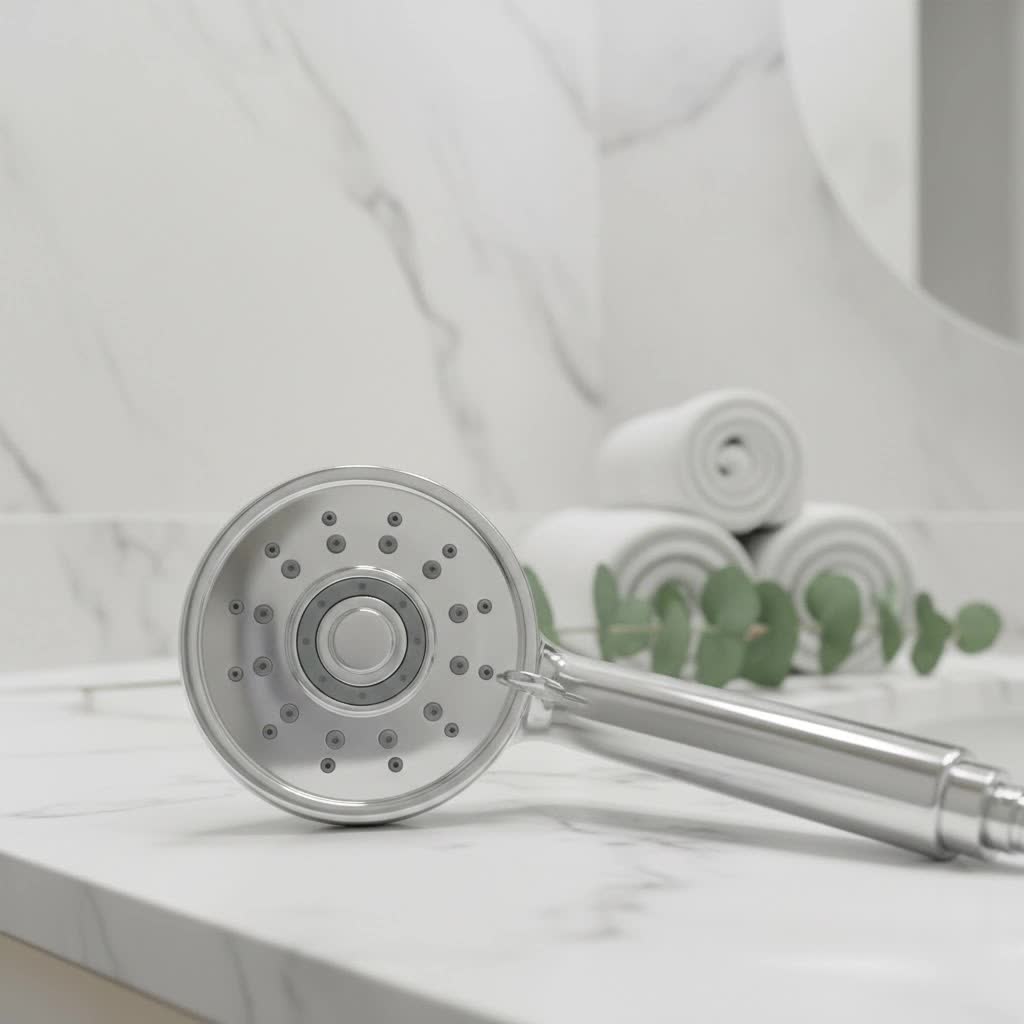
Stepping into a shower should be more than just a routine; it should be a revitalizing experience, a daily escape. For many, the desire for both luxurious relaxation and practical functionality in their bathroom fixtures leads directly to one exceptional solution: a rain shower head with handheld. This innovative combination blends the expansive, soothing deluge of a rainfall shower with the focused versatility of a handheld sprayer, offering an unparalleled showering experience tailored to every need. If you’ve ever dreamt of transforming your bathroom into a personal spa while maintaining ultimate convenience, understanding the world of rain shower heads with handhelds is your first step.
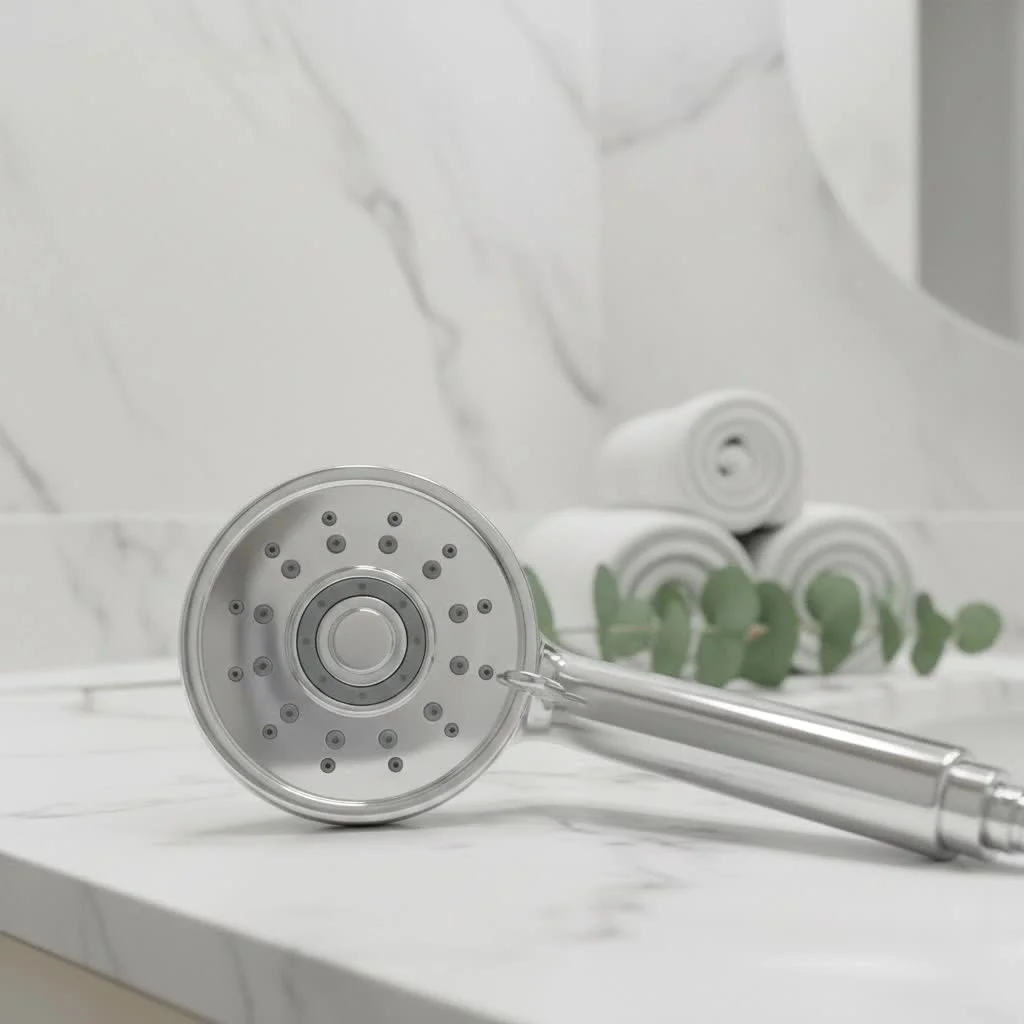
Shower Head: General Overview and Development History
Shower heads, at their core, are designed to deliver water for personal hygiene. From simple, single-spray fixtures of yesteryear, the evolution of shower technology has been a testament to our continuous pursuit of comfort, efficiency, and luxury. Early shower designs were basic, focusing merely on water delivery. Over time, innovations introduced varying spray patterns, improved water efficiency, and enhanced aesthetics.
Today’s market offers a diverse range of shower heads, including fixed models that remain stationary, handheld units offering flexibility, and rain shower heads that mimic natural rainfall. The modern rain shower head with handheld system represents the pinnacle of this evolution, fusing the best attributes of these individual types into a cohesive, high-performance unit. This dual functionality ensures that you don’t have to choose between a spa-like experience and practical utility, bringing both into your daily routine.
Classifying Shower Heads By Function and Design
Understanding the various types of shower heads helps appreciate the comprehensive benefits offered by a rain shower head with handheld combination. Each design serves a specific purpose, and the integration of these features creates a truly versatile showering system.
Fixed Shower Heads
Fixed shower heads are traditional fixtures mounted permanently to the wall or ceiling. They are known for their simplicity and consistent water flow. Their main advantages include a clean, minimalist aesthetic and reliable performance with fewer moving parts. However, their fixed position can be a drawback, making tasks like rinsing specific body parts, cleaning the shower enclosure, or bathing children and pets more challenging.
Handheld Shower Heads
Handheld shower heads offer remarkable flexibility, attached to a flexible hose that allows users to direct water precisely where it’s needed. This versatility is invaluable for a variety of tasks, from rinsing shampoo from long hair to assisting with bathing children or individuals with mobility challenges, and even cleaning the shower itself. While highly practical, standalone handheld units might sometimes lack the broad, immersive coverage that many desire for a truly relaxing shower.
High-Pressure Shower Heads
|
Our Picks for the Best Shower Head in 2026
As an Amazon Associate I earn from qualifying purchases.
|
||
| Num | Product | Action |
|---|---|---|
| 1 | SparkPod Shower Head - High Pressure Rain - Premium Quality Luxury Design - Easy Clean Adjustable Replacement for Your Bathroom Shower Heads (Midnight Black Matte, 6 Inch Round) |

|
| 2 | SparkPod Shower Head - High Pressure Rain - Premium Quality Luxury Design - Easy Clean Adjustable Replacement for Your Bathroom Shower Heads (Elegant Brushed Nickel, 6 Inch Round) |
|
| 3 | SparkPod Shower Head - High Pressure Rain - Premium Quality Luxury Design - Easy Clean Adjustable Replacement for Your Bathroom Shower Heads (Egyptian Gold, 6 Inch Round) |
|
| 4 | High Pressure Rain Shower Head: Upgrade Shower Heads with Handheld Spray Combo with Fixed Showerhead and 10 Sprays Handheld Shower Head, Detachable Showerheads Built-in Magnetic Docking and Power Jets |
|
| 5 | Cobbe All Metal Shower Head with Handheld – Solid Stainless Steel 3-Mode High Pressure Showerhead, Detachable Wand with 59" Hose & Adjustable Bracket Water Saving Eco-Flow, Brushed Nickel |
|
| 6 | High Pressure Rain Shower Head: Upgrade Shower Heads with Handheld Spray Combo with Fixed Showerhead and 10 Sprays Handheld Shower Head, Detachable Showerheads Built-in Magnetic Docking and Power Jets |
|
| 7 | Shower Head with Handheld High Pressure, Rain Shower Head with Fixed Showerhead and 9 Sprays Handheld Shower, Detachable 2-IN-1 Shower head with 59" Rotatable Stainless Steel Hose (Chrome) |
|
| 8 | SparkPod Shower Head - High Pressure Rain - Premium Quality Luxury Design - Easy Clean Adjustable Replacement for Your Bathroom Shower Heads (Luxury Polished Chrome, 6 Inch Round) |
|
| 9 | High Pressure Rain Shower Head: Upgrade Shower Heads with Handheld Spray Combo with Fixed Showerhead and 10 Sprays Handheld Shower Head, Detachable Shower head Built-in Power Jets |
|
| 10 | SparkPod Shower Head - High Pressure Rain - Premium Quality Luxury Design - Easy Clean Adjustable Replacement for Your Bathroom Shower Heads (Charcoal Grey, 6 Inch Round) |
|
For homes with naturally low water pressure, or for individuals who simply prefer a more invigorating rinse, high-pressure shower heads are engineered to amplify water flow. These can be found in both fixed and handheld forms. When integrated into a rain shower head with handheld system, they ensure that even the gentle rainfall setting feels satisfying, and the handheld option provides a powerful, targeted spray for a thorough wash.
Water-Saving Shower Heads
Environmental consciousness and the desire to reduce utility bills have driven the innovation of water-saving shower heads. Measured by Gallons Per Minute (GPM), these fixtures are designed to deliver an efficient shower experience using less water, often carrying certifications like WaterSense. Many advanced rain shower heads with handhelds incorporate water-saving technologies, allowing you to enjoy a luxurious shower without excessive water consumption.
Massage Shower Heads
The therapeutic benefits of hydrotherapy are brought to life through massage shower heads, which offer pulsating or focused jet spray patterns. These settings are particularly effective for soothing tired muscles, relieving tension, and enhancing relaxation. While some fixed rain showers may include a “power” setting, massage functions are most commonly found and best utilized on the flexible handheld component of a dual system, providing targeted relief.
Filtered Shower Heads
Concerns about water quality, including chlorine, sediment, and other impurities, have led to the popularity of filtered shower heads. These systems integrate a filter that removes unwanted substances from the water, offering potential benefits for skin and hair health, as well as reducing mineral buildup in the shower fixture itself. Filtered options can be a standalone unit or integrated into both rain and handheld shower heads, ensuring cleaner water for your entire showering experience.
The true genius of a rain shower head with handheld lies in its ability to combine many of these specialized functions. It offers the wide, gentle coverage of a rain shower, often with high-pressure capabilities and water-saving efficiency, while its handheld component provides versatile spray modes, including powerful massage settings, and the potential for filtered water for an all-encompassing, customized bathing solution.
Comparison Table: Shower Head Types
| Feature / Type | Fixed Shower Head | Handheld Shower Head | Rain Shower Head with Handheld Combo |
|---|---|---|---|
| Functionality | Basic, consistent flow | Targeted, flexible water direction | Luxurious rain + versatile handheld |
| Design | Minimalist, stationary | Functional, often with adjustable mount | Sleek, modern, integrated dual design |
| Water Pressure | Varies, can be strong | Generally more focused, can be strong | Rain: gentle/full; Handheld: strong/targeted |
| Versatility | Limited, fixed position | High, excellent for specific tasks | Ultimate, covers all showering needs |
| Installation | Easiest, typically wall-mounted | Easy, attaches to existing arm | Moderate to complex, depending on setup |
| Price Range | Low to Mid | Low to Mid | Mid to High |
| Primary Advantage | Simplicity, aesthetic | Flexibility, practicality | Luxury, versatility, complete coverage |
| Primary Disadvantage | Lack of maneuverability | Less immersive coverage | Higher initial cost, potential installation complexity |
Factors to Consider When Buying a Rain Shower Head with Handheld (Buying Guide)
Choosing the perfect rain shower head with handheld involves more than just picking a stylish fixture. It requires careful consideration of several factors to ensure it meets your specific needs and integrates seamlessly with your bathroom.
Water Pressure
Your home’s existing water pressure is a critical factor. Rain shower heads, particularly larger models, perform best with consistent and strong water pressure to deliver their signature full-body soak. If your home has low water pressure, look for models specifically designed to optimize flow or consider installing a water booster pump. Many dual systems offer adjustable settings on the handheld, which can provide a more powerful spray even if the rain head is softer. Check the Gallons Per Minute (GPM) rating; regulations often cap this at 2.5 GPM, with some states at 1.8 GPM.
Material
The material and finish of your shower head affect both its durability and aesthetic appeal. Common materials include:
- Plastic (ABS): Often found in more budget-friendly options, lightweight.
- Brass: Durable, corrosion-resistant, and high-quality.
- Stainless Steel: Excellent for durability, rust resistance, and a modern look.
Finishes like chrome offer a classic, easy-to-clean shine, while matte black provides a bold, contemporary statement. Brushed nickel adds an elegant, subdued charm. Choose a material and finish that complements your bathroom’s design and withstands daily use.
Functions and Spray Modes
The beauty of a rain shower head with handheld lies in its versatility in spray patterns. While the rain head typically offers a wide, gentle cascade, the handheld component often features multiple settings:
- Full Rain/Drench: Mimics natural rainfall for overall coverage.
- Massage: Focused, pulsating jets for muscle relief.
- Mist: A fine, gentle spray for a soothing experience.
- Shampoo Rinse/Power Jet: A stronger, more concentrated stream ideal for rinsing hair or cleaning.
- Pause: Temporarily stops water flow to conserve water during tasks like lathering.
Consider your personal preferences and daily showering needs to select a system with the right combination of features.
Size and Design
The physical size of the rain shower head impacts the coverage area. Larger diameters (e.g., 9-inch, 12-inch, or more) provide a more expansive, immersive rainfall experience, ideal for spacious showers. Smaller heads might be better suited for compact bathrooms. The overall design – round, square, or rectangular, and its mounting type (wall-mounted arm or ceiling-mounted) – should harmonize with your bathroom’s aesthetic, be it modern, classic, or minimalist.
Brand and Price
Investing in a reputable brand often translates to better quality, durability, and customer support. Brands like Delta, DreamSpa, Moen, Kohler, SparkPod, Cascada, and HammerHead are frequently recommended in reviews. While rain shower heads with handhelds can be more expensive than single-function models, options are available across various price points. Balance your budget with the desire for quality features and a long-lasting product. As expert Danny Niemela advises, “A $120 rain head with a single, broad spray is better for daily use than a $400 model packed with settings nobody touches.”
Ease of Installation and Cleaning
For DIY enthusiasts, look for systems that promise straightforward installation, often without the need for specialized tools beyond a wrench and plumber’s tape. Many wall-mounted combo units can be retrofitted to existing plumbing. Ceiling-mounted installations, however, typically require professional plumbing work due to rerouting water lines, which can significantly increase costs and complexity.
Maintenance is also key. Features like “rub-clean” rubber nozzles are highly beneficial, as they allow you to easily wipe away mineral buildup and limescale, ensuring consistent water flow and extending the life of your shower head. Regular cleaning prevents clogs and maintains optimal performance.
Top Preferred Rain Shower Head with Handheld Brands
Several manufacturers have excelled in combining the luxury of a rain shower with the practicality of a handheld unit. Here are a few brands and models frequently praised for their performance, design, and features:
- Delta Faucet HydroRain H2Okinetic Dual Shower Head: This system is often highlighted for its ease of installation and multiple spray settings, including a power-drench spray and a dedicated shampoo/rinsing spray on the handheld. Its WaterSense certification also appeals to eco-conscious buyers.
- DreamSpa Ultra-Luxury Rainfall Shower Head/Handheld Combo: Recognized for its high-end appearance and customizable options, the DreamSpa combo offers multiple flow settings on its handheld, such as high-power rain, aeration massage, and waterfall. Its 9-inch face provides wide body coverage.
- Moen: Known for durable construction and stylish designs, Moen offers various dual shower systems that integrate rain and handheld functions with reliable performance.
- Kohler: A premium brand synonymous with quality and innovative design, Kohler provides sophisticated rain shower systems, many of which can be paired with coordinating handheld sprayers for a cohesive, high-end bathroom look.
- SparkPod Round Rain Shower Head with Extension Arm: While primarily a rain shower head, SparkPod models often come with adjustable extension arms and are praised for strong, consistent water pressure, making them a good base for adding a compatible handheld if not already integrated.
- HammerHead Showers: This brand specializes in solid metal shower heads, offering durable rain and handheld combo sets designed for longevity and strong performance, with a focus on easy DIY installation for many models.
When considering these brands, it’s wise to review specific model features, water flow rates, and warranty information to find the best fit for your home.
Guide to Installing and Maintaining a Rain Shower Head with Handheld
Proper installation and consistent maintenance are crucial for maximizing the lifespan and performance of your rain shower head with handheld system. While some installations can be a DIY project, complex setups may require professional expertise.
Step-by-Step Installation Guide
For a standard wall-mounted rain shower head with handheld combo that attaches to an existing shower arm, the process is generally straightforward:
- Gather Your Tools: You’ll typically need an adjustable wrench or pliers, thread seal tape (also known as plumber’s tape), and a rubber sealing washer (usually included with the new shower head). A terry cloth can protect finishes when using tools.
- Turn Off Water Supply: Locate the main water shut-off valve for your bathroom or entire home to prevent leaks during installation.
- Remove Old Shower Head: Turn the old shower head counter-clockwise to loosen it. If it’s stuck, use an adjustable wrench, covering the fixture with a cloth to prevent scratches.
- Clean the Shower Arm: Remove any old thread seal tape or debris from the shower arm threads. A toothbrush can help with stubborn residue.
- Apply New Thread Seal Tape: Wrap fresh plumber’s tape clockwise around the threads of the shower arm 3-4 times. This creates a watertight seal and prevents leaks.
- Attach the Diverter/Holder: Your combo unit will likely have a diverter that screws onto the shower arm. Ensure the rubber washer is correctly seated inside the diverter’s threaded opening, then hand-tighten it until secure and straight. If it has metal fittings, you can gently use a wrench for extra snugness; plastic fittings should only be hand-tightened.
- Attach the Fixed Rain Shower Head: Ensure its rubber washer is in place, then hand-tighten the rain shower head onto the front of the diverter. Use a wrench if the fittings are metal, being careful not to overtighten.
- Connect the Shower Hose: Confirm rubber washers are at both ends of the shower hose. Hand-tighten one end to the handheld shower head and the other to the bottom outlet of the diverter.
- Dock the Handheld Shower Head: Place the handheld unit into its holder bracket. This holder might be integrated into the diverter or a separate wall-mounted piece. If it’s wall-mounted, you may need to drill into the wall for a secure fit. [cite: 5_installation]
- Check for Leaks: Turn the water supply back on and check all connections for drips. If you see any, turn off the water, re-tape the threads, and re-tighten.
For ceiling-mounted rain shower heads or extensive plumbing modifications, it is highly recommended to consult a licensed plumber to ensure proper and safe installation.
Maintenance Tips
Regular maintenance is key to a long-lasting and efficient shower head:
- Prevent Limescale Buildup: Mineral deposits from hard water can clog nozzles and reduce water pressure. Wipe down the nozzles regularly with a cloth or your fingers to dislodge deposits.
- Vinegar Soak: For more stubborn buildup, remove the shower head and soak it in a solution of equal parts white vinegar and water for at least 30 minutes, or longer for severe clogs. [cite: 1_installation]
- Scrub Nozzles: After soaking, use an old toothbrush or a small brush to gently scrub the nozzles and remove any remaining debris.
- Rinse Thoroughly: Rinse the shower head with clean water to remove all vinegar residue before reattaching.
- Clean Finishes: Use a soft cloth and mild soap (if necessary) to clean the exterior, avoiding abrasive cleaners that can damage the finish, especially for matte black or brushed options.
Common Issues & Troubleshooting
- Low Water Pressure: First, check if your shower head has a removable water restrictor, which can sometimes be taken out (check local regulations) to improve flow. Also, ensure the shower head nozzles are clean and free of mineral buildup. If issues persist, it may indicate a larger plumbing problem or low home water pressure. [cite: 1_installation]
- Leaks: Most leaks occur at the connections. Ensure plumber’s tape is applied correctly (clockwise, 3-4 wraps) and all connections are snug, not overtightened. Check that rubber washers are properly seated.
- Inconsistent Water Temperature: This can be an issue with rain shower heads being sensitive to water pressure changes. It might indicate a problem with your home’s plumbing system or water heater, or a thermostatic valve might be needed for better regulation.
Conclusion
Choosing a rain shower head with handheld is an excellent decision for anyone looking to enhance their daily bathing experience. It expertly marries the serene, full-body coverage of a rainfall shower with the practical, targeted functionality of a handheld sprayer. This dual system provides unparalleled versatility, allowing for luxurious relaxation, efficient rinsing, and easy cleaning—all within a single, elegant fixture.
By considering factors such as your home’s water pressure, desired materials and finishes, spray functions, and ease of installation, you can select a combo shower head that not only meets your aesthetic preferences but also serves your practical needs for years to come. Investing in a quality rain shower head with handheld is more than just a bathroom upgrade; it’s an investment in daily comfort, convenience, and a touch of spa-like indulgence right in your home. Ready to transform your shower into a sanctuary of relaxation and efficiency?
Frequently Asked Questions
Are rain shower heads with handhelds suitable for small bathrooms?
While rain shower heads are often larger, many manufacturers offer compact models or designs that can fit well in smaller bathrooms. The handheld component adds crucial versatility, making the system practical even in limited spaces where a fixed rain shower alone might be inconvenient.
Can I install a rain shower head with handheld myself, or do I need a plumber?
Many wall-mounted rain shower head with handheld combos are designed for DIY installation, typically requiring basic tools like a wrench and plumber’s tape. However, if your installation involves rerouting plumbing lines, especially for ceiling-mounted units, or if you’re unsure about the process, hiring a licensed plumber is highly recommended for safety and proper functioning.
Do rain shower heads use more water than regular shower heads?
Not necessarily. Many modern rain shower heads, including combo units, are designed with water efficiency in mind. Look for models with a WaterSense certification, indicating a flow rate of 2.0 GPM or less, or check the GPM rating to ensure it aligns with your preferences and local water conservation standards.
How do I maintain the shine of my shower head’s finish?
To maintain the aesthetic appeal of your shower head, regularly wipe it down with a soft cloth and mild soap (if needed). Avoid abrasive cleaners or harsh chemicals, especially on finishes like matte black or brushed nickel, as these can damage the coating and leave permanent marks.
What should I do if my rain shower head with handheld has low water pressure?
First, check the nozzles for mineral buildup and clean them if necessary. Some shower heads include a removable flow restrictor designed to save water; removing it (if legal in your area) might increase pressure. If these steps don’t work, consider consulting a plumber, as low pressure can indicate issues with your home’s overall water supply or plumbing system.
Can I get different spray patterns on the handheld and the main rain shower head simultaneously?
Yes, many dual shower head systems feature a diverter valve that allows you to switch between the rain shower head, the handheld shower head, or operate both simultaneously. The handheld typically offers multiple spray patterns, providing a customizable experience.
Get our weekly buyer guide
Practical specs, not advice. Unsubscribe anytime.
