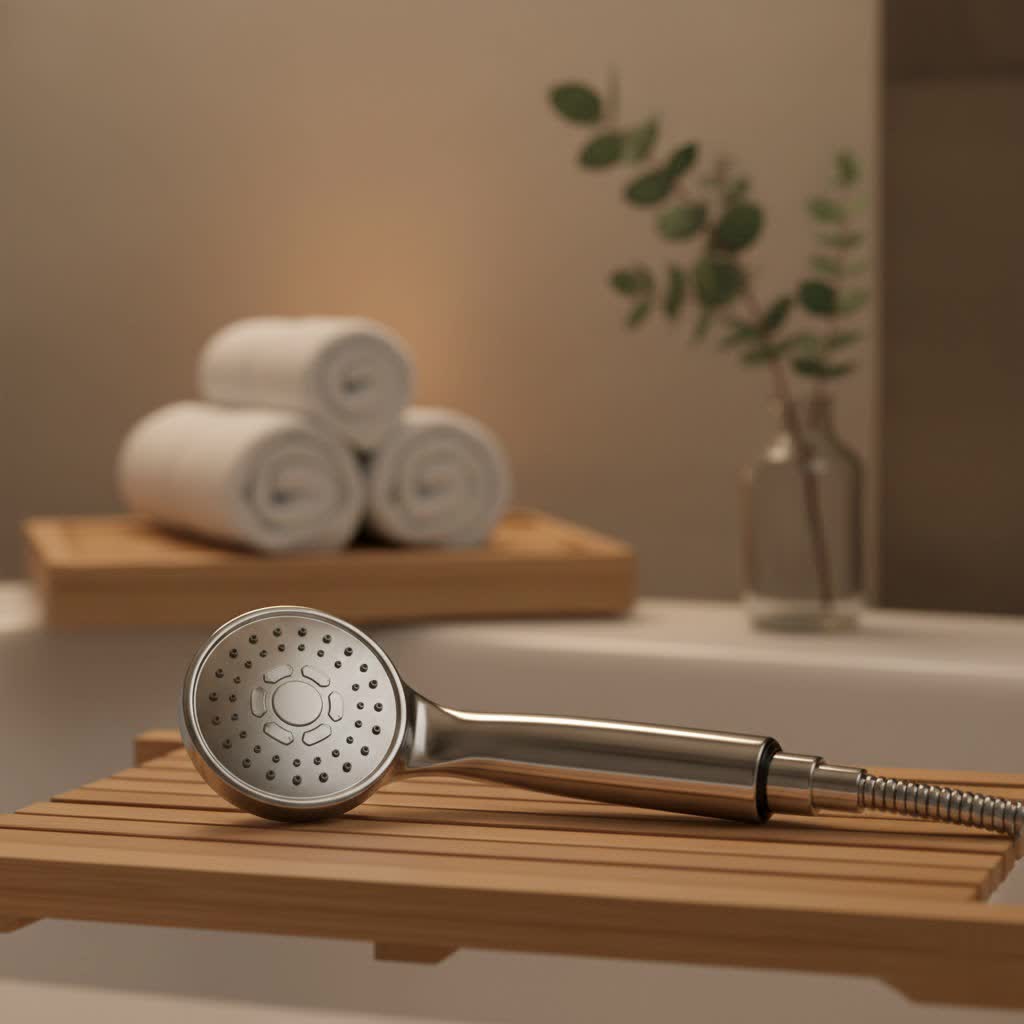
Imagine stepping out into the fresh air, surrounded by nature, as warm water cascades over you. An outdoor shower head transforms a simple rinse into a rejuvenating experience, whether you’re washing off after a dip in the pool, cleaning up after gardening, or simply enjoying the serenity of your backyard. More than just a luxury, an outdoor shower head is a practical addition that can enhance your outdoor living space and keep indoor areas cleaner by preventing dirt, sand, and chlorine from being tracked inside.
Outdoor Shower Heads: Overview and Evolution
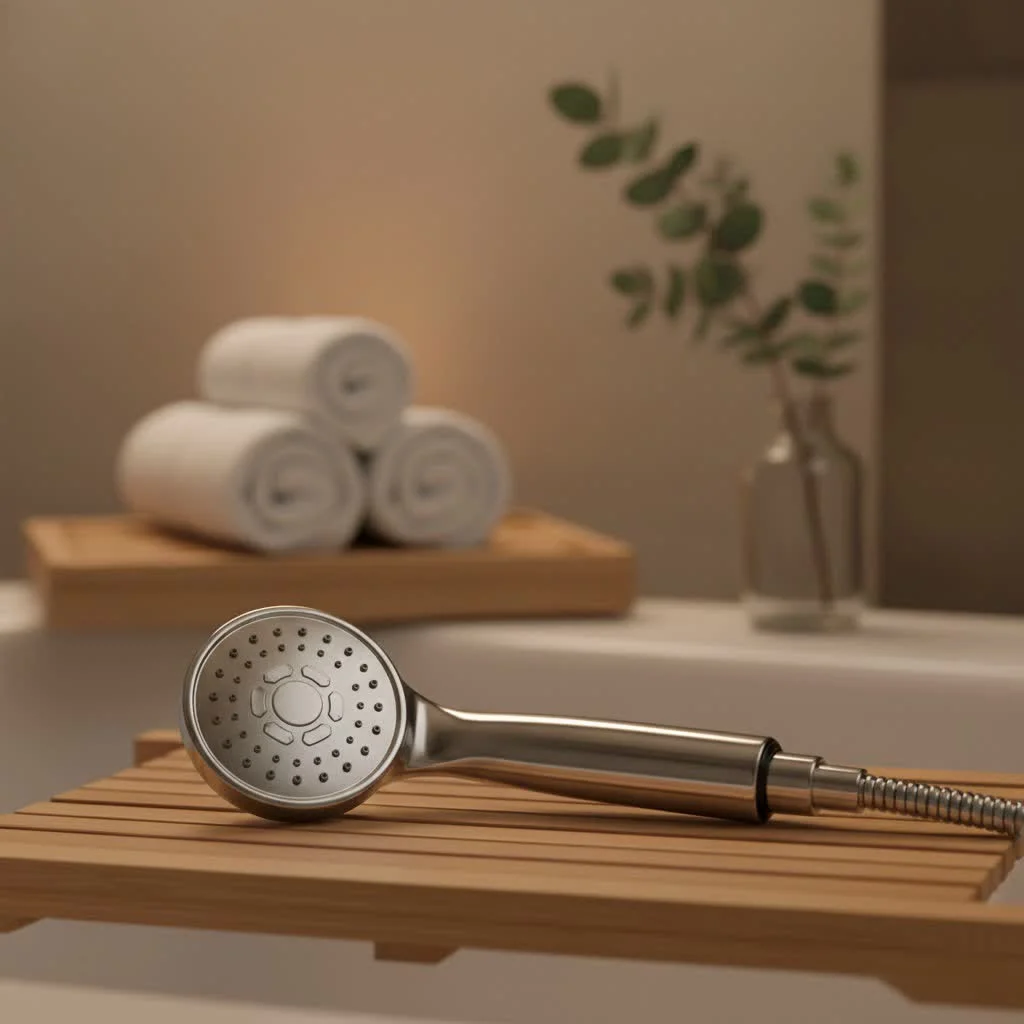
Outdoor shower heads are specialized plumbing fixtures designed to withstand the rigors of exterior environments. Unlike their indoor counterparts, these units are engineered for exposure to UV rays, fluctuating temperatures, moisture, and elements like sand or salt. Their primary purpose is to offer convenient rinsing, but they also serve as stylish additions to decks, patios, pool areas, and beach houses.
The concept of an outdoor shower has evolved significantly from rudimentary garden hose attachments to sophisticated, fully plumbed systems with hot and cold water. Early outdoor showers were simple, functional setups, often found at public beaches or campgrounds. Today, advancements in material science and design have brought forth a diverse range of outdoor shower heads that prioritize both durability and aesthetic appeal. Modern options can seamlessly blend with your outdoor decor, offering features that rival indoor shower experiences. This evolution reflects a growing desire to extend comfort and convenience into outdoor living spaces, making them integral to contemporary backyard design.
Currently, the market offers a wide array of outdoor shower heads, broadly categorized by their mounting style, functionality, and water source. These include basic fixed wall-mounted units, versatile handheld models, environmentally friendly solar-heated systems, and robust freestanding structures.
Classifying Outdoor Shower Heads by Function and Design
Understanding the various types of outdoor shower heads is crucial for selecting the best fit for your specific needs and outdoor environment. Each category offers distinct advantages in terms of installation, usability, and features.
Fixed Outdoor Shower Heads
Fixed outdoor shower heads are permanently mounted to a wall or a sturdy post, offering a consistent overhead water flow. They are generally straightforward to install, especially if positioned near an existing outdoor faucet.
- Pros: Minimalist aesthetic, robust and less prone to damage, often provide wide coverage like a rain shower.
- Cons: Lack flexibility for targeted rinsing, height might not be ideal for all users (children, pets).
- Popular Designs: Rainfall shower heads, standard wall-mounted heads with a single spray pattern, and larger overhead units designed for a luxurious drenching experience.
Handheld Outdoor Shower Heads
|
Our Picks for the Best Shower Head in 2026
As an Amazon Associate I earn from qualifying purchases.
|
||
| Num | Product | Action |
|---|---|---|
| 1 | High Pressure Rain Shower Head: Upgrade Shower Heads with Handheld Spray Combo with Fixed Showerhead and 10 Sprays Handheld Shower Head, Detachable Showerheads Built-in Magnetic Docking and Power Jets |

|
| 2 | SparkPod Shower Head - High Pressure Rain - Premium Quality Luxury Design - Easy Clean Adjustable Replacement for Your Bathroom Shower Heads (Egyptian Gold, 6 Inch Round) |
|
| 3 | SparkPod Shower Head - High Pressure Rain - Premium Quality Luxury Design - Easy Clean Adjustable Replacement for Your Bathroom Shower Heads (Elegant Brushed Nickel, 6 Inch Round) |
|
| 4 | High Pressure Rain Shower Head: Upgrade Shower Heads with Handheld Spray Combo with Fixed Showerhead and 10 Sprays Handheld Shower Head, Detachable Showerheads Built-in Magnetic Docking and Power Jets |
|
| 5 | SparkPod Shower Head - High Pressure Rain - Premium Quality Luxury Design - Easy Clean Adjustable Replacement for Your Bathroom Shower Heads (Luxury Polished Chrome, 6 Inch Round) |
|
| 6 | High Pressure Rain Shower Head: Upgrade Shower Heads with Handheld Spray Combo with Fixed Showerhead and 10 Sprays Handheld Shower Head, Detachable Shower head Built-in Power Jets |
|
| 7 | SparkPod Shower Head - High Pressure Rain - Premium Quality Luxury Design - Easy Clean Adjustable Replacement for Your Bathroom Shower Heads (Charcoal Grey, 6 Inch Round) |
|
| 8 | SparkPod Shower Head - High Pressure Rain - Premium Quality Luxury Design - Easy Clean Adjustable Replacement for Your Bathroom Shower Heads (Midnight Black Matte, 6 Inch Round) |
|
| 9 | Shower Head with Handheld High Pressure, Rain Shower Head with Fixed Showerhead and 9 Sprays Handheld Shower, Detachable 2-IN-1 Shower head with 59" Rotatable Stainless Steel Hose (Chrome) |
|
| 10 | Cobbe All Metal Shower Head with Handheld – Solid Stainless Steel 3-Mode High Pressure Showerhead, Detachable Wand with 59" Hose & Adjustable Bracket Water Saving Eco-Flow, Brushed Nickel |
|
Handheld outdoor shower heads come with a flexible hose, allowing you to direct the water flow precisely. This versatility makes them incredibly popular for a multitude of outdoor tasks.
- Pros: Excellent for rinsing specific areas, cleaning pets, washing gardening tools, or accommodating users of different heights.
- Cons: Can sometimes appear less aesthetically integrated than fixed units, the hose may require careful management to avoid tangling.
- Flexible Features and Applications: Many handheld models offer multiple spray settings, from a gentle mist for delicate plants to a strong jet for muddy boots. They are ideal for families with children or pet owners who need flexible rinsing options.
High-Pressure Outdoor Shower Heads
Designed to provide a strong, invigorating spray, high-pressure outdoor shower heads are particularly beneficial in areas with naturally low water pressure.
- Operating Mechanism and Benefits: These shower heads use advanced nozzle designs and internal components to amplify the existing water pressure, creating a more forceful and satisfying shower experience. They efficiently remove sand, salt, and dirt, making them perfect for rinsing off after a beach trip or intense outdoor activity.
- Ideal for Areas with Low Water Pressure: If you’ve experienced frustratingly weak water flow, a high-pressure model can transform your outdoor shower into a truly refreshing escape.
Water-Saving Outdoor Shower Heads
For environmentally conscious homeowners, water-saving outdoor shower heads offer an efficient solution without compromising performance.
- Technology and Benefits: These heads incorporate technologies like flow restrictors and optimized spray patterns to deliver a satisfying shower using less water, typically reducing flow rates to 2.0 Gallons Per Minute (GPM) or less, compared to the standard 2.5 GPM. The WaterSense label, for instance, certifies products that meet EPA’s criteria for water efficiency and performance.
- Environmental and Economic Benefits: By conserving water, these shower heads contribute to environmental sustainability and help reduce your utility bills, making them a smart long-term investment.
Massage Outdoor Shower Heads
Massage outdoor shower heads offer therapeutic benefits, turning your rinse into a relaxing spa-like experience.
- Different Massage Spray Modes: These units typically feature adjustable settings that produce pulsating, oscillating, or targeted jet sprays designed to soothe sore muscles and relieve tension.
- Health and Relaxation Benefits: After a long day of yard work or intense exercise, the invigorating massage function can provide significant comfort and relaxation, promoting better circulation and reducing stress.
Filtered Outdoor Shower Heads
Filtered outdoor shower heads are designed to improve water quality, offering benefits for your skin, hair, and the longevity of the fixture itself.
- Purpose of Filtering: These shower heads typically contain filters that reduce chlorine, sediment, rust, and other impurities commonly found in municipal or well water. This is particularly valuable for outdoor showers where garden hose water might be used directly.
- Benefits for Skin and Hair: By removing harsh chemicals and particulate matter, filtered shower heads can help prevent dry skin, reduce hair damage, and leave you feeling cleaner and refreshed. They also minimize limescale buildup, extending the life of the shower head.
Portable and Solar-Heated Outdoor Shower Heads
These two types address specific needs for flexibility and energy efficiency in outdoor showering.
- Portable Options for Camping/Travel: Portable outdoor shower heads are designed for mobility, often consisting of a submersible pump, a hose, and a shower head, powered by batteries. They are perfect for camping, RV trips, or any situation where a permanent plumbing connection isn’t feasible. They offer the convenience of a shower anywhere you have a water source.
- Solar Heating Benefits and Function: Solar-heated outdoor shower systems often feature a dark-colored water reservoir that absorbs sunlight, naturally warming the water. These are excellent for warm climates or for homeowners seeking an eco-friendly way to enjoy hot showers outdoors without additional energy costs. They can be freestanding or wall-mounted, providing a comfortable warm rinse even when plumbed hot water isn’t available.
Comparing Popular Outdoor Shower Head Types
Choosing the right outdoor shower head involves weighing various factors. Here’s a comparative overview to help you decide:
| Feature | Fixed Shower Head | Handheld Shower Head | High-Pressure Shower Head | Water-Saving Shower Head | Portable Shower Head | Solar-Heated Shower Head |
|---|---|---|---|---|---|---|
| Functionality | Consistent, overhead flow | Flexible, targeted rinsing, pet washing | Powerful spray for effective rinsing | Efficient water use, eco-friendly | Mobile, off-grid rinsing | Warm water without electricity |
| Design/Mounting | Wall-mounted, ceiling-mounted | Wall-mounted with a flexible hose | Can be fixed or handheld | Can be fixed or handheld | Freestanding, bag-style, pump-driven | Freestanding column with reservoir, wall-mounted |
| Price Range | Moderate to high | Moderate | Moderate to high | Moderate | Low to moderate | Moderate to high |
| Pros | Durable, sleek, strong aesthetic | Versatile, great for cleaning/kids/pets | Invigorating, great for low pressure | Reduced water bills, environmental impact | Use anywhere, no plumbing needed | Free hot water, energy saving |
| Cons | Less flexible, single spray | Hose management, can be less aesthetic | Can be too intense for some, may use more water | Potentially lower flow (though often optimized) | Limited water capacity, often cold water only | Dependent on sunlight, capacity limits |
| Overall Suitability | Permanent installations, aesthetic focus | Versatility, practical tasks, family-friendly | Addresses low water pressure, strong rinse | Eco-conscious homes, long-term savings | Camping, beach trips, remote locations | Sunny locations, eco-friendly preference |
Essential Factors When Buying an Outdoor Shower Head (Buying Guide)
Selecting the ideal outdoor shower head requires careful consideration of several key factors to ensure it meets your functional needs, aesthetic preferences, and budget.
Water Pressure Considerations
Before purchasing any outdoor shower head, it’s vital to understand your home’s water pressure. Insufficient pressure can lead to a disappointing shower experience, while excessively high pressure might require a pressure-reducing valve.
- Checking Water Pressure: You can test your home’s water pressure using a simple gauge attached to an outdoor faucet.
- Matching Shower Head to Pressure Needs: If you have low water pressure, consider models specifically designed to boost pressure, such as high-pressure shower heads. Conversely, if your pressure is ample, you have more flexibility in choosing styles like wide rainfall heads that distribute water broadly.
Material and Durability
The material of your outdoor shower head is paramount, as it must endure harsh outdoor elements like sun, rain, temperature fluctuations, and potentially salt air or chemicals (e.g., chlorine from a pool).
- Common Materials:
- Stainless Steel: Highly durable and corrosion-resistant, making it excellent for all climates, especially coastal areas. It offers a modern, sleek look.
- Brass: Also very durable and corrosion-resistant, often chosen for its classic appeal and ability to develop a beautiful patina over time.
- Copper: Known for its striking appearance and natural antimicrobial properties, but requires more maintenance to prevent tarnishing if a bright finish is desired.
- Chrome/Nickel: While popular indoors, chrome-plated finishes can peel or corrode in harsh outdoor conditions, especially near saltwater. Brushed nickel offers better resilience.
- Plastic: Affordable and lightweight, but less durable and may degrade over time due to UV exposure or extreme temperatures.
- Pros and Cons for Outdoor Exposure: Prioritize materials labeled as “weatherproof” or “marine-grade” for maximum longevity. Corrosion resistance is key to prevent rust and degradation.
Functionality and Spray Modes
Modern outdoor shower heads offer a variety of spray patterns and functions to cater to different preferences and uses.
- Different Spray Patterns:
- Rainfall: A gentle, drenching spray that mimics natural rain, ideal for relaxation.
- Massage: Pulsating or targeted jets for therapeutic relief of sore muscles.
- Mist: A fine, gentle spray perfect for cooling off without getting completely soaked.
- Drenching: A heavier, more concentrated spray for quick rinsing of heavy suds or dirt.
- Targeted: A narrow, powerful stream for specific cleaning tasks.
- Choosing Features: Consider who will be using the shower and for what purpose. A multi-function head offers the most versatility for a diverse range of needs, from a gentle rinse to a strong clean.
Size, Design, and Mounting Style
The physical attributes of your outdoor shower head, including its size, overall design, and how it’s mounted, should complement your outdoor space.
- Selecting Size and Style:
- Freestanding Showers: Offer flexibility in placement and often come as self-contained units, sometimes with integrated solar heating or foot rinsers.
- Wall-Mounted Showers: Are space-saving and integrate well into existing structures like house walls or fences.
- Portable Showers: Compact and easy to transport, ideal for temporary setups or camping.
- Aesthetic Considerations: Match the design (modern, rustic, minimalist, classic) to your home’s exterior and landscaping. Consider finishes like matte black, brushed stainless steel, or polished brass to enhance the visual appeal.
Brand Reputation and Cost
Investing in a reputable brand often translates to better quality, durability, and customer support, which are crucial for an outdoor fixture.
- Reputable Brands: Look for brands known for manufacturing durable outdoor fixtures or those with strong warranties. While specific brand mentions are outside the scope of general advice, researching user reviews and expert recommendations can guide your decision.
- Balancing Budget with Quality: Outdoor shower heads range widely in price. While it’s tempting to choose the cheapest option, remember that durability in an outdoor environment often justifies a higher initial investment. A more expensive, corrosion-resistant model will likely last longer and perform better than a cheaper, less robust alternative.
Ease of Installation and Maintenance
Consider how much effort you’re willing to put into setting up and maintaining your outdoor shower head.
- DIY-Friendly vs. Professional Installation: Simple garden-hose connected showers are often DIY-friendly. Systems requiring hot and cold water lines, drainage, or permanent enclosures typically necessitate professional plumbing.
- Simple Cleaning and Winterization: Choose models with easy-clean nozzles (e.g., silicone jets) to prevent mineral buildup. For colder climates, ensure the system can be easily drained and winterized to prevent freezing and pipe damage.
Top-Rated Outdoor Shower Head Brands
While specific product recommendations are subject to change and personal preference, certain brands consistently receive high marks for their outdoor shower head offerings due to their commitment to durability, performance, and design tailored for exterior use. These manufacturers often prioritize marine-grade materials, robust construction, and weather-resistant finishes to ensure longevity.
Brands like High Sierra Showerheads are recognized for their water-saving yet high-performance designs, often featuring tamper-resistant properties ideal for public or exposed settings. Speakman offers durable solid brass constructions with patented Anystream® technology, providing customizable spray experiences. Companies specializing in outdoor living fixtures, such as Pulse Showerspas and certain offerings from Heatgene, are also well-regarded for their robust freestanding and wall-mounted systems that often include hot and cold water options and stylish finishes. For portable or camping solutions, innovators like Nemo and specialized camping gear brands provide reliable, easy-to-use shower heads that are indispensable for off-grid adventures. When evaluating brands, look for those that explicitly address the challenges of outdoor exposure, offer strong warranties, and demonstrate a history of customer satisfaction in harsh environments.
Outdoor Shower Head Installation and Maintenance Guide
Proper installation and consistent maintenance are key to ensuring your outdoor shower head functions efficiently and lasts for many seasons.
Step-by-Step Installation Basics
Installing an outdoor shower head can range from a simple garden hose connection to a complex plumbed system.
- Site Selection: Choose a private location with good drainage, away from structures that could be damaged by water. Proximity to an existing water source (outdoor faucet or main plumbing lines) will simplify the process. Consider local building codes for outdoor plumbing and drainage.
- Water Supply Connection:
- Hose Connection: The simplest method. Attach a garden hose to a splitter on your outdoor faucet, then connect it to your shower head. This is usually cold water only.
- Plumbed Hot & Cold: For a more permanent and comfortable experience, hot and cold water lines will need to be run from inside your home. This typically involves a mixing valve and requires insulated piping for colder climates. PEX piping is a flexible and affordable option for these setups.
- Mounting the Shower Head: Secure the shower head to a sturdy surface (wall, post, or freestanding unit) at a comfortable height, usually 80-84 inches from the shower floor. Hand-tighten connections first, then use a wrench if needed, being careful not to overtighten.
- Drainage: Plan for proper drainage to prevent water pooling and damage. Options include a gravel pit, French drain, or connection to a greywater system (check local regulations). Ensure the area slopes away from your home.
- Leak Checks: After installation, turn on the water and carefully inspect all connections for leaks. Tighten any loose fittings and apply thread seal tape if necessary.
Seasonal Maintenance Tips
Regular upkeep is crucial for the longevity and performance of your outdoor shower head.
- Regular Cleaning: After each use, give the shower area a quick rinse to remove soap scum, sand, or dirt. Weekly, use a mild soap solution (like diluted dish soap) and a soft brush or cloth to wipe down all surfaces, including the shower head and nozzles. This prevents mineral and grime buildup.
- Addressing Mineral Deposits: If you live in a hard water area, mineral buildup can clog nozzles. Detach the shower head and soak it in a mixture of equal parts vinegar and water overnight. Use a small brush or a paperclip to clear any remaining stubborn blockages.
- Winterization for Cold Climates: This is critical to prevent freeze damage. Turn off the water supply at the source (and shut-off valve if plumbed). Completely drain all pipes and the shower head by opening all faucets and removing the shower head. Store portable units indoors.
- Inspecting for Wear and Tear: Periodically inspect the shower head, hoses, and fittings for cracks, leaks, corrosion, or loose connections. Address any issues promptly to prevent minor problems from escalating into costly repairs.
Troubleshooting Common Issues
Even with diligent maintenance, problems can occasionally arise.
- Addressing Low Pressure: If water pressure drops, first check for mineral buildup in the shower head. Soaking it in vinegar can often restore flow. Ensure the main water supply is fully open and there are no kinks in hoses or pipes. If it’s a persistent issue in your area, a high-pressure shower head might be the solution.
- Fixing Leaks: Most leaks occur at connections. Try tightening loose joints with a wrench (but don’t overtighten) or replacing worn washers and O-rings. Applying fresh thread seal tape to threaded connections can also resolve minor drips.
- Clearing Clogs: Beyond mineral deposits, debris like leaves or dirt can clog nozzles or filters. Disassemble the shower head and clean out any physical obstructions. For drain clogs, remove visible debris and use a natural drain cleaner (baking soda and vinegar) before resorting to harsh chemicals.
Conclusion
An outdoor shower head offers a refreshing blend of luxury and practicality, transforming your backyard into a more functional and enjoyable space. From rinsing off after a swim to refreshing yourself under the open sky, the right outdoor shower head caters to a multitude of needs. By understanding the various types available—fixed, handheld, high-pressure, water-saving, portable, and solar-heated—and considering factors like material durability, water pressure, and design, you can make an informed choice that perfectly complements your outdoor lifestyle. Proper installation and consistent maintenance, including seasonal winterization and routine cleaning, will ensure your outdoor shower head remains a cherished feature for years to come. What kind of invigorating outdoor shower experience will you create in your own backyard oasis?
Frequently Asked Questions
What are the main benefits of installing an outdoor shower head?
Installing an outdoor shower head provides numerous benefits, including convenient rinsing after pool or beach activities, keeping indoor spaces free from dirt and sand, and offering a refreshing way to cool off in warm weather. Many also appreciate the aesthetic appeal and the unique, invigorating experience of showering outdoors.
Can an outdoor shower head provide hot water?
Yes, many outdoor shower heads can provide hot water. This is typically achieved by connecting the outdoor unit to your home’s existing hot and cold water plumbing lines or by utilizing a solar-heated system that warms water naturally using sunlight.
What materials are best for outdoor shower heads to prevent corrosion?
For optimal durability and corrosion resistance, especially in harsh climates or coastal areas, outdoor shower heads made from marine-grade stainless steel, solid brass, or copper are highly recommended. These materials can withstand exposure to the elements, salt, and chemicals like chlorine without easily rusting or degrading.
How do I maintain my outdoor shower head during colder months?
To maintain your outdoor shower head in colder climates, it’s crucial to winterize it. This involves turning off the water supply, completely draining all water from the pipes and shower head, and disconnecting any hoses. Portable units should be stored indoors to prevent freeze damage.
Do I need special drainage for an outdoor shower?
Yes, proper drainage is essential for an outdoor shower to prevent water pooling and potential damage. Common drainage solutions include installing a gravel pit, a French drain, or ensuring the shower area is sloped to direct water away. In some areas, connecting to a greywater system or existing sewer might be required by local codes.
Are outdoor shower heads difficult to install?
The difficulty of outdoor shower head installation varies. Simple models that connect to a garden hose are relatively easy for DIY enthusiasts. However, more complex systems involving hot and cold plumbed water lines, mixing valves, and permanent structures may require professional plumbing expertise and adherence to local building codes.
How can I make my outdoor shower head more eco-friendly?
To make your outdoor shower more eco-friendly, consider a water-saving shower head (rated at 2.0 GPM or less), a solar-heated water system to reduce energy consumption, and a greywater recycling system to reuse shower water for landscaping. Using biodegradable soaps is also recommended to minimize environmental impact.
Get our weekly buyer guide
Practical specs, not advice. Unsubscribe anytime.
