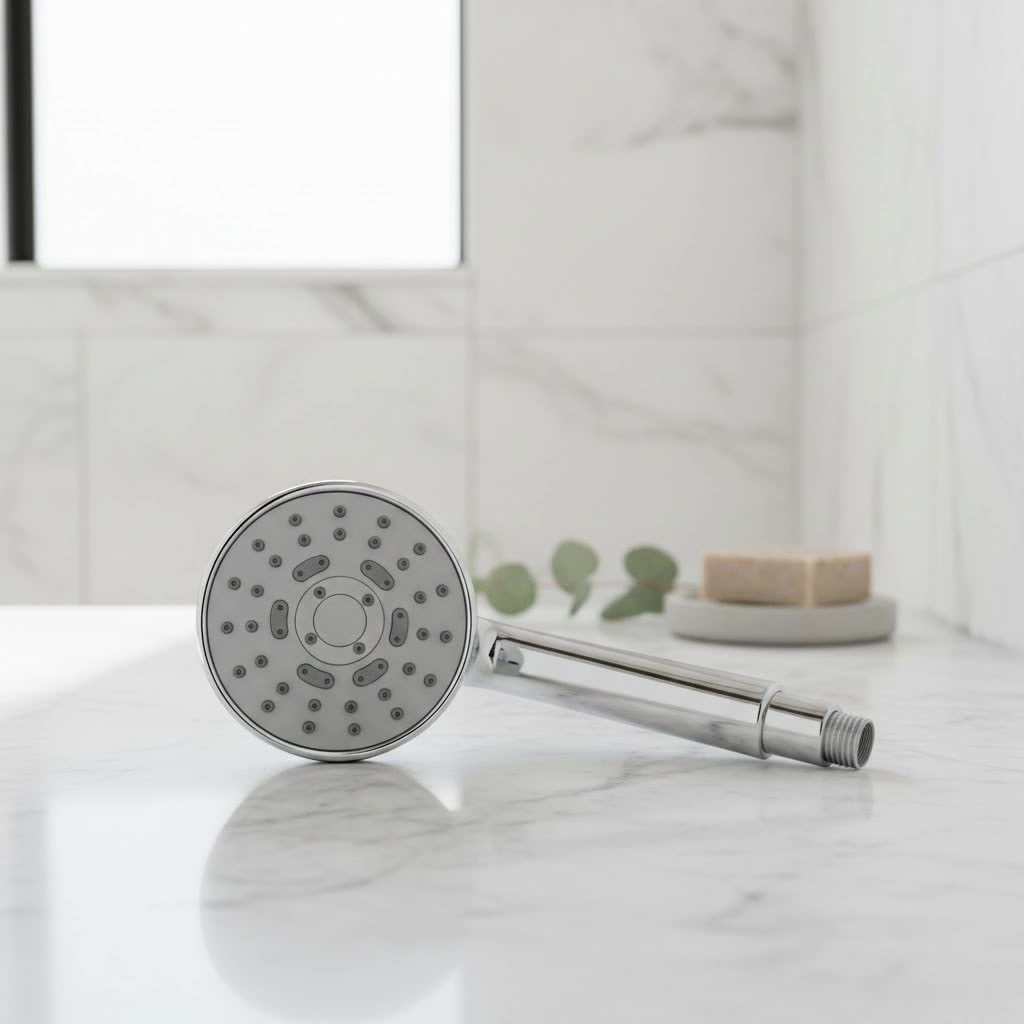
Imagine stepping into your shower, not just to get clean, but to experience an invigorating cascade of water that washes away the day’s stress. A high flow shower head promises precisely this: a powerful, drenching shower that can transform your daily routine into a spa-like escape. But what truly defines a “high flow” experience in today’s world of evolving water regulations and innovative designs? This comprehensive guide, crafted from over a decade of hands-on expertise in shower system design and performance, will demystify the nuances of shower head technology, helping you select the perfect fixture for an unparalleled showering experience.
Understanding High Flow Shower Heads: Definition and Evolution
Shower heads, simple as they may seem, have undergone significant evolution, moving from basic water outlets to sophisticated devices designed for optimal performance and comfort. Historically, a “high flow” shower head simply meant one that delivered a large volume of water per minute, often exceeding 2.5 Gallons Per Minute (GPM). However, with increasing awareness of water conservation, federal regulations in the United States now cap residential shower head flow rates at 2.5 GPM, and many states have even stricter limits, such as 1.8 GPM in California and New York.
Today, the term “high flow” is less about exceeding these GPM limits and more about the sensation of abundant water. Modern engineering allows shower heads to deliver a powerful, satisfying spray by manipulating water pressure and spray patterns, even within regulated flow rates. This innovation ensures you can enjoy an invigorating shower while still adhering to conservation standards. The focus has shifted from simply pushing more water to optimizing how that water feels and performs, ensuring efficiency without compromising experience.
Types of Shower Heads by Function and Design
The market offers a diverse range of shower heads, each catering to different preferences and bathroom setups. Understanding these types is crucial for making an informed decision about your ideal high flow or high-pressure solution.
Fixed Shower Heads
Fixed shower heads are permanently mounted to the wall or ceiling, offering a stable and hands-free showering experience. They are known for their simplicity and consistent water flow, making them a popular choice for many households. While typically less versatile in terms of movement, many modern fixed models feature adjustable spray patterns, allowing you to customize your shower with options ranging from a gentle rain to a strong, focused stream.
Handheld Shower Heads
Handheld shower heads are attached to the wall via a flexible hose, providing the ultimate in versatility and targeted cleaning. This design is particularly beneficial for families with children or pets, assisting with cleaning the shower enclosure, or for individuals with mobility challenges. Handheld models often come with multiple spray settings and flow control options, offering a personalized and highly adaptable showering experience.
High-Pressure Shower Heads
|
Our Picks for the Best Shower Head in 2026
As an Amazon Associate I earn from qualifying purchases.
|
||
| Num | Product | Action |
|---|---|---|
| 1 | SparkPod Shower Head - High Pressure Rain - Premium Quality Luxury Design - Easy Clean Adjustable Replacement for Your Bathroom Shower Heads (Luxury Polished Chrome, 6 Inch Round) |

|
| 2 | High Pressure Rain Shower Head: Upgrade Shower Heads with Handheld Spray Combo with Fixed Showerhead and 10 Sprays Handheld Shower Head, Detachable Showerheads Built-in Magnetic Docking and Power Jets |
|
| 3 | High Pressure Rain Shower Head: Upgrade Shower Heads with Handheld Spray Combo with Fixed Showerhead and 10 Sprays Handheld Shower Head, Detachable Showerheads Built-in Magnetic Docking and Power Jets |
|
| 4 | SparkPod Shower Head - High Pressure Rain - Premium Quality Luxury Design - Easy Clean Adjustable Replacement for Your Bathroom Shower Heads (Elegant Brushed Nickel, 6 Inch Round) |
|
| 5 | Shower Head with Handheld High Pressure, Rain Shower Head with Fixed Showerhead and 9 Sprays Handheld Shower, Detachable 2-IN-1 Shower head with 59" Rotatable Stainless Steel Hose (Chrome) |
|
| 6 | Cobbe All Metal Shower Head with Handheld – Solid Stainless Steel 3-Mode High Pressure Showerhead, Detachable Wand with 59" Hose & Adjustable Bracket Water Saving Eco-Flow, Brushed Nickel |
|
| 7 | SparkPod Shower Head - High Pressure Rain - Premium Quality Luxury Design - Easy Clean Adjustable Replacement for Your Bathroom Shower Heads (Charcoal Grey, 6 Inch Round) |
|
| 8 | High Pressure Rain Shower Head: Upgrade Shower Heads with Handheld Spray Combo with Fixed Showerhead and 10 Sprays Handheld Shower Head, Detachable Shower head Built-in Power Jets |
|
| 9 | SparkPod Shower Head - High Pressure Rain - Premium Quality Luxury Design - Easy Clean Adjustable Replacement for Your Bathroom Shower Heads (Egyptian Gold, 6 Inch Round) |
|
| 10 | SparkPod Shower Head - High Pressure Rain - Premium Quality Luxury Design - Easy Clean Adjustable Replacement for Your Bathroom Shower Heads (Midnight Black Matte, 6 Inch Round) |
|
High-pressure shower heads are specifically engineered to amplify water force, providing a robust and invigorating spray even in homes with naturally weak water pressure. These designs utilize innovative technologies such as optimized internal pathways, precision nozzles, or air injection systems to concentrate and accelerate the water flow. Unlike traditional “high flow” heads that simply pushed more water, modern high-pressure models deliver a powerful rinse while often staying within water-saving GPM limits. A plumbing expert notes, “Modern high-pressure shower heads are a marvel of engineering, creating an intense experience by focusing the water, not just increasing its volume.”
Water-Saving Shower Heads
Often carrying the EPA’s WaterSense certification, water-saving shower heads are designed to conserve water without sacrificing performance. These models typically operate at 2.0 GPM or less, and some “Eco-Performance” models go as low as 1.5 GPM. Despite lower flow rates, many water-saving shower heads incorporate pressure-boosting technologies similar to dedicated high-pressure models, ensuring a satisfying and efficient shower while significantly reducing water and energy consumption.
Massage Shower Heads
For those seeking therapeutic benefits, massage shower heads deliver pulsating or oscillating water jets designed to soothe tired muscles and stimulate circulation. These specialized spray patterns can relieve tension and create a spa-like feel right in your bathroom. Many multi-function shower heads include a massage setting as one of their varied spray options, offering versatility for different preferences.
Filtered Shower Heads
Filtered shower heads are equipped with internal filtration systems that remove impurities such as chlorine, sediment, and heavy metals from your shower water. This can lead to healthier skin and hair, reducing dryness and irritation, and can also extend the life of your shower head by preventing mineral buildup. They combine the benefits of cleaner water with the desired flow and pressure for an overall enhanced shower experience.
Comparing Shower Head Types
Choosing the right shower head involves balancing functionality, personal preference, and water efficiency. This table provides a quick comparison to help you weigh the pros and cons of common types.
| Feature | Fixed Shower Head | Handheld Shower Head | Rainfall Shower Head | High-Pressure (Engineered) | Water-Saving (Engineered) |
|---|---|---|---|---|---|
| Function | Consistent, hands-free showering | Flexible, targeted cleaning | Luxurious, wide, gentle coverage | Invigorating, strong spray | Eco-friendly, efficient rinse |
| Design | Wall or ceiling mounted | Hose attached, removable wand | Large, often overhead mounted | Various forms (fixed/handheld) | Various forms (fixed/handheld) |
| Typical GPM | Up to 2.5 GPM (regulated) | Up to 2.5 GPM (regulated) | Up to 2.5 GPM (regulated) | Up to 2.5 GPM (regulated) | 2.0 GPM or less (WaterSense) |
| Pros | Simple, reliable, stable stream | Versatile, great for cleaning | Spa-like, full-body drench | Powerful rinse, good for low PSI | Reduces water/energy bills |
| Cons | Less flexibility in spray direction | Hose can be bulky, requires rack | May require strong existing pressure | Can sometimes be noisy (air injection) | May feel less powerful if poorly designed |
| Best For | General use, consistent experience | Families, pet owners, shower cleaning | Relaxation, modern aesthetics | Homes with low water pressure | Environmental concerns, budget-conscious |
Key Factors When Choosing a High Flow Shower Head (Buying Guide)
Selecting the perfect shower head that provides a “high flow” feel involves more than just picking a design you like. Several critical factors influence both performance and satisfaction.
Water Pressure and GPM
Understanding your home’s existing water pressure, measured in Pounds per Square Inch (PSI), is paramount. Most shower heads perform optimally between 40 and 80 PSI, with 60 PSI often considered ideal. If your home has low water pressure, a high-pressure engineered shower head is often a better choice than one that merely boasts a high GPM, as it will enhance the force of the water you already have.
It’s also essential to be aware of GPM regulations. The federal maximum flow rate in the U.S. is 2.5 GPM, but local regulations can be stricter. While you might seek a “large flow” sensation, shower heads exceeding 2.5 GPM are typically not legal for sale or installation in most areas and can lead to significant water and energy waste. Focus on models that maximize pressure within legal GPM limits for the most satisfying and compliant experience.
Materials and Durability
The material of your shower head significantly impacts its longevity and performance. High-quality options like solid brass, stainless steel, or durable ABS plastic with robust internal components are preferable. Metal construction tends to prevent pressure loss that can occur with cheaper plastic designs and offers superior corrosion resistance. Investing in durable materials ensures your shower head will withstand daily use and maintain its aesthetic appeal for years to come.
Spray Functions and Patterns
Modern shower heads offer a variety of spray functions and patterns, allowing for a customized showering experience. Common options include:
- Rainfall: A soft, wide, drenching spray that mimics natural rain.
- Massage: Pulsating or invigorating jets for muscle relaxation.
- Mist: A fine, gentle spray for a delicate sensation.
- Wide/Full Coverage: A broad, consistent spray for efficient rinsing.
- Focused/Jet: A powerful, concentrated stream for deep rinsing or cleaning.
Consider which patterns best suit your daily needs and whether you prefer a single dedicated function or a multi-setting head for versatility.
Size and Design Aesthetics
The size and design of your shower head should complement your bathroom’s overall aesthetic and available space. From sleek, minimalist designs to ornate, classic styles, there’s a shower head to match every décor. Rain shower heads, for example, typically have larger diameters (8-12 inches) and require adequate ceiling height and shower space for optimal effect. Consider finishes like chrome, brushed nickel, or matte black to coordinate with existing fixtures and enhance the bathroom’s visual harmony.
Brand Reputation and Price
Reputable brands often invest in research and development to offer innovative designs and reliable performance. Brands like Delta, Moen, Kohler, Waterpik, High Sierra, and Speakman are well-regarded in the industry for their quality and customer support. While price can be an indicator of quality, it’s possible to find excellent performance across different price points. Compare features, materials, and warranties when evaluating value, rather than simply opting for the cheapest or most expensive option.
Ease of Installation and Maintenance
Many contemporary shower heads are designed for straightforward, DIY installation, requiring minimal tools. Look for models with clear instructions and standard connections to ensure a hassle-free upgrade. For long-term enjoyment, prioritize shower heads with features that simplify maintenance, such as anti-clog silicone nozzles that allow for easy mineral deposit removal with a quick rub. Corrosion-resistant materials also reduce the frequency of intense cleaning, helping to maintain consistent water flow and extend the lifespan of your fixture.
Top-Rated High Flow Shower Head Brands
Several brands consistently deliver high-performance shower heads that offer a powerful and satisfying experience within modern regulations.
- Delta: Known for innovation, Delta offers H2Okinetic technology that sculpts water into a unique wave pattern, providing a drenching sensation with less water. Their models often feature multiple spray settings and durable construction.
- Moen: Moen combines stylish design with advanced functionality. Many of their shower heads incorporate Self-Cleaning Nozzles to prevent mineral buildup and feature robust metal construction for lasting performance.
- Kohler: Kohler offers a range of luxurious and high-performance shower heads, from expansive rain showers to invigorating multi-function sprays. Their designs often emphasize aesthetic appeal alongside strong water delivery.
- Waterpik: A leader in water delivery systems, Waterpik is renowned for its high-pressure shower heads, particularly those with PowerPulse massage technology, offering therapeutic benefits and powerful rinsing.
- High Sierra Showerheads: This brand specializes in water-saving shower heads that still deliver a surprisingly powerful and full spray, using patented nozzle technology to achieve high pressure at very low GPMs (e.g., 1.5 GPM).
- Speakman: Famous for their iconic Anystream technology, Speakman shower heads are engineered to provide a powerful, adjustable spray pattern that’s a favorite in hotels for its consistent performance and durability.
- HammerHead Showers: Focusing on solid metal construction and pressure-optimized nozzles, HammerHead offers durable high-pressure and low-flow options designed for maximum impact within GPM regulations.
Each of these brands offers unique strengths, catering to different priorities, whether it’s water conservation, luxurious design, or intense massage functions.
Installation and Maintenance Guide for Your Shower Head
Proper installation and routine maintenance are key to ensuring your high flow shower head performs optimally and lasts for years.
Step-by-Step Installation
- Gather Tools: You’ll typically need a wrench, plumber’s tape, and a cloth.
- Remove Old Head: Turn off the water supply. Unscrew the old shower head counter-clockwise, using a wrench if necessary. Clean any old plumber’s tape or sealant from the shower arm threads.
- Apply Plumber’s Tape: Wrap new plumber’s tape (3-4 times) clockwise around the threads of the shower arm. This ensures a watertight seal.
- Install New Head: Screw the new shower head onto the shower arm clockwise by hand until snug. Use a wrench for a final quarter-turn, being careful not to overtighten, which can damage the threads or fixture.
- Test for Leaks: Turn the water supply back on and check for any leaks. If leaks occur, tighten slightly more or reapply plumber’s tape.
“A common mistake during DIY installation is overtightening,” advises a seasoned plumbing technician. “Always hand-tighten first, then use a wrench gently. You want snug, not strained.”
Maintenance Tips for Longevity
- Regular Cleaning: To prevent mineral buildup (limescale), which can clog nozzles and reduce pressure, regularly wipe your shower head with a soft cloth. For more stubborn deposits, remove the shower head and soak it in a solution of equal parts white vinegar and water for a few hours, then scrub with an old toothbrush.
- Clear Nozzles: Many modern shower heads feature silicone nozzles that can be easily cleaned by simply rubbing them with your finger to dislodge mineral buildup.
- Check for Leaks: Periodically inspect connections for leaks, which can waste water and damage your bathroom. Address any drips promptly by tightening connections or reapplying plumber’s tape.
- Filter Replacement: If you have a filtered shower head, follow the manufacturer’s recommendations for replacing the filter cartridge to ensure continuous water quality and flow.
By following these simple guidelines, you can ensure your high flow shower head remains in excellent condition, providing a consistently powerful and refreshing shower experience day after day.
Conclusion
The pursuit of a “high flow” shower head ultimately boils down to one goal: an exceptional showering experience. While regulations have redefined what “high flow” means in terms of gallons per minute, advancements in shower head technology ensure that a powerful, invigorating, and spa-like shower is still well within reach. By understanding the distinction between flow and pressure, exploring various types, and considering factors like your home’s water pressure, materials, and spray patterns, you can confidently select a fixture that not only meets your aesthetic preferences but also delivers the performance you crave. With the right high flow shower head, your daily rinse can transform from a routine task into a cherished moment of rejuvenation and comfort.
What kind of powerful shower experience are you dreaming of for your home?
Frequently Asked Questions
What is the maximum legal GPM for a shower head in the U.S.?
The federal maximum flow rate for shower heads in the United States is 2.5 GPM (Gallons Per Minute). However, some states and municipalities have stricter regulations, with limits as low as 1.8 GPM to promote water conservation.
Can I get a high-pressure shower head if I have low water pressure at home?
Absolutely! Many modern “high-pressure” shower heads are specifically designed to amplify water force even in homes with weak existing water pressure. They achieve this through optimized nozzle designs, air injection, or flow compensators, rather than simply requiring a higher flow rate.
How do “high flow” and “high pressure” shower heads differ today?
Today, “high flow” generally refers to the maximum legal GPM (up to 2.5 GPM), aiming for a fuller water volume. “High pressure,” conversely, focuses on increasing the force of the water stream, often through innovative engineering, even at lower, water-saving GPMs. The goal is the sensation of power, not necessarily more water.
Are water-saving shower heads always less powerful?
Not necessarily. While they use less water (typically 2.0 GPM or less), many WaterSense-certified and eco-performance shower heads incorporate advanced pressure-boosting technologies. This allows them to deliver a strong, satisfying spray while significantly conserving water and energy, debunking the myth that saving water means sacrificing performance.
What materials are best for a durable high flow shower head?
For durability and consistent performance, look for shower heads made from solid metal materials like brass or stainless steel. These materials are more resistant to corrosion and mineral buildup than cheaper plastics, helping to maintain optimal water pressure and extend the life of your shower head.
Get our weekly buyer guide
Practical specs, not advice. Unsubscribe anytime.
