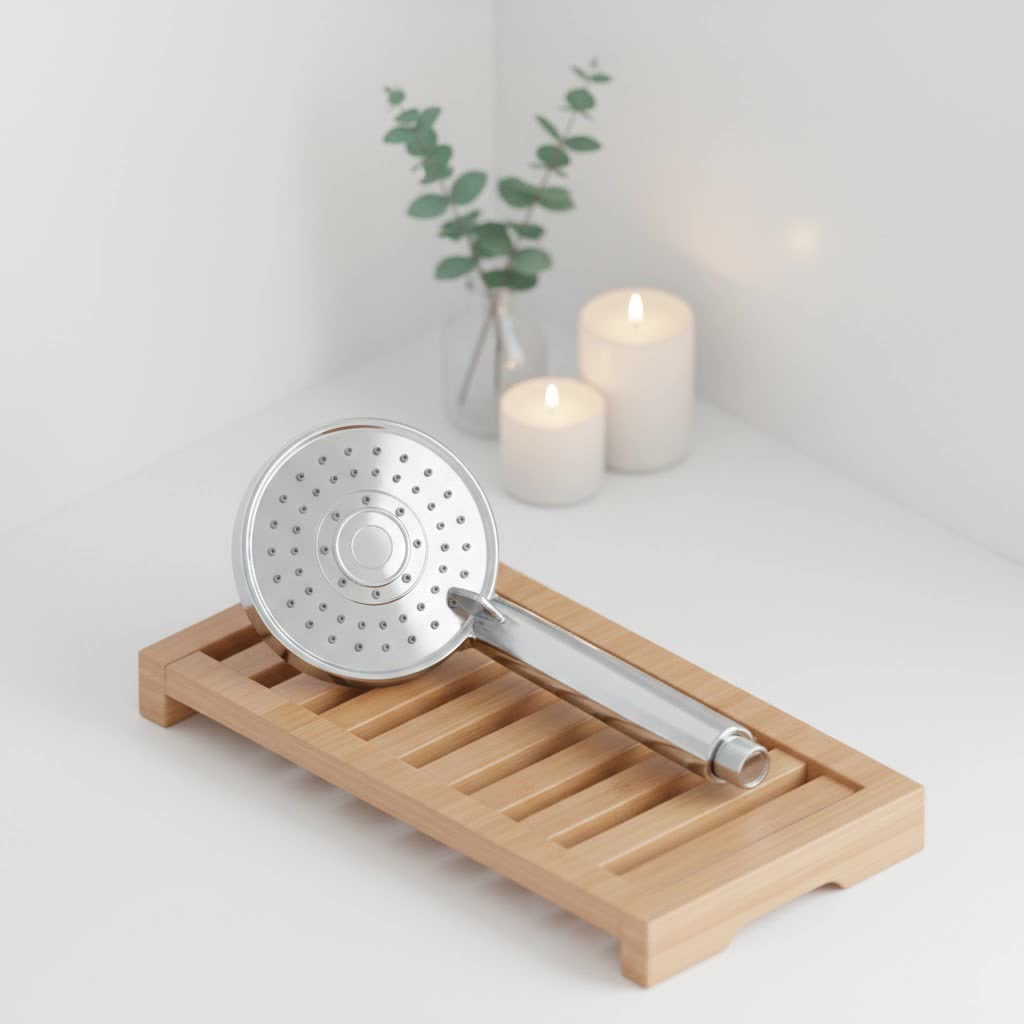
Do you ever step out of the shower feeling like your skin is tighter, your hair is duller, or perhaps even a lingering irritation? You’re not alone. Many people unknowingly shower in water that, despite being safe to drink, contains elements like chlorine, heavy metals, and hard minerals that can negatively impact their skin, hair, and overall well-being. This common issue highlights why a Filtered Shower Head isn’t just a luxury, but a vital upgrade for a truly refreshing and healthy bathing experience.
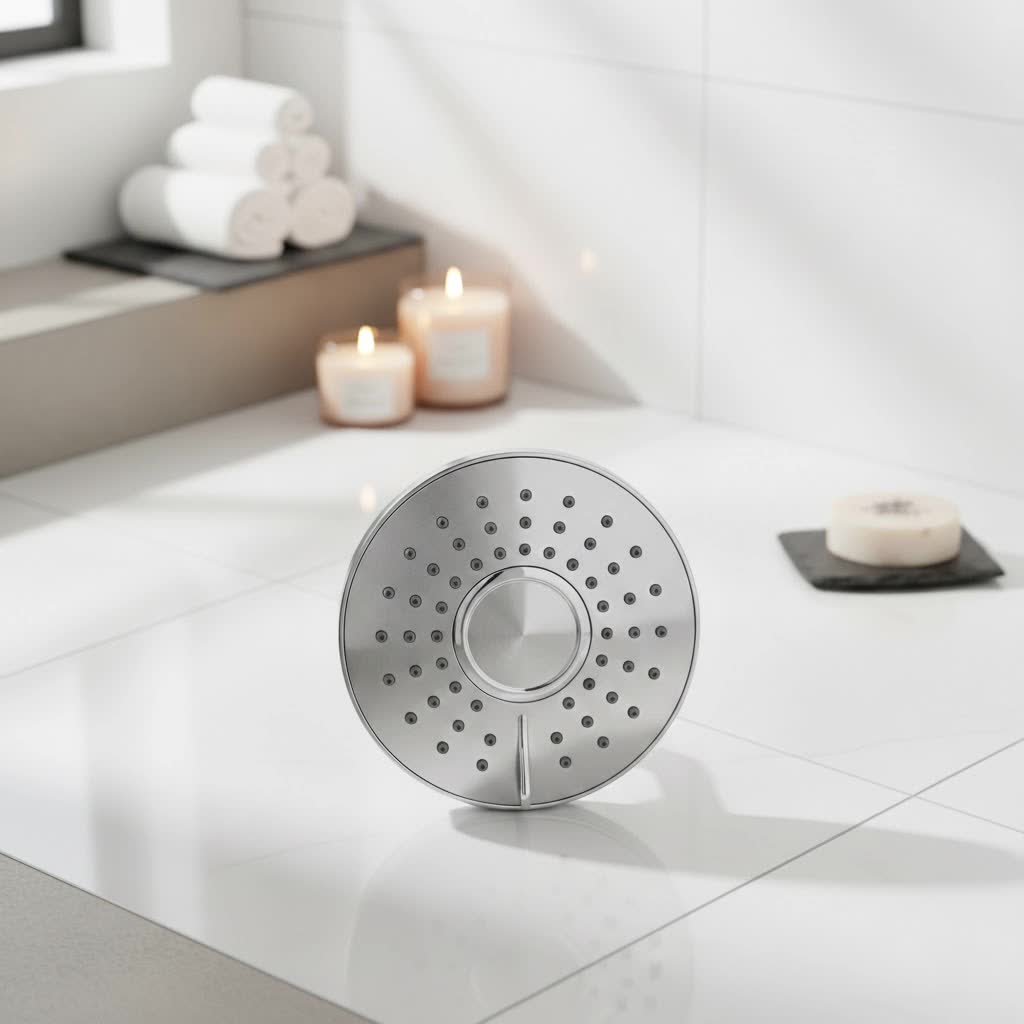
A filtered shower head is specifically designed to tackle these unseen culprits, transforming your daily shower into a purer, more beneficial ritual. By removing impurities before they touch your body, these innovative shower heads promise not only a cleaner feel but also healthier skin and hair. This guide will explore everything you need to know about filtered shower heads, from their advanced technology to how to choose and maintain the perfect one for your home, ensuring every shower is an investment in your health and comfort.
Filtered Shower Heads: Overview and Evolution
A filtered shower head is a specialized fixture or attachment that incorporates a filtration system to remove or reduce contaminants from your shower water. Unlike standard shower heads that simply direct water flow, filtered versions actively purify the water, addressing concerns related to water quality that can affect personal health and bathroom aesthetics.
Historically, shower heads primarily focused on water delivery and spray patterns. The concept of filtering shower water gained traction as awareness grew about the potential downsides of common tap water constituents, such as chlorine, on skin and hair. Over time, advancements in filtration technology led to the development of compact and efficient filter media that could be integrated directly into shower heads or installed as inline units. This evolution has made filtered shower heads an accessible solution for enhancing water quality in homes worldwide, moving them from a niche product to a mainstream wellness accessory. Modern filtered shower heads come in various forms, including all-in-one units where the filter is built into the shower head itself, and inline filters that attach between the shower arm and your existing shower head, offering flexibility to suit different preferences and setups.
Decoding Filtered Shower Head Technology: Types and Functions
Filtered shower heads employ various filtration media, often in multi-stage systems, to effectively target different contaminants in your water supply. Understanding how these technologies work is key to choosing a filter that addresses your specific water concerns.
Multi-Stage Filtration Systems
|
Our Picks for the Best Shower Head in 2026
We may earn a commission when you use one of our links to make a purchase.
|
||
| Num | Product | Action |
|---|---|---|
| 1 | Shower Head with Handheld High Pressure, Rain Shower Head with Fixed Showerhead and 9 Sprays Handheld Shower, Detachable 2-IN-1 Shower head with 59" Rotatable Stainless Steel Hose (Chrome) |

|
| 2 | SparkPod Shower Head - High Pressure Rain - Premium Quality Luxury Design - Easy Clean Adjustable Replacement for Your Bathroom Shower Heads (Midnight Black Matte, 6 Inch Round) |
|
| 3 | SparkPod Shower Head - High Pressure Rain - Premium Quality Luxury Design - Easy Clean Adjustable Replacement for Your Bathroom Shower Heads (Egyptian Gold, 6 Inch Round) |
|
| 4 | High Pressure Rain Shower Head: Upgrade Shower Heads with Handheld Spray Combo with Fixed Showerhead and 10 Sprays Handheld Shower Head, Detachable Showerheads Built-in Magnetic Docking and Power Jets |
|
| 5 | Cobbe All Metal Shower Head with Handheld – Solid Stainless Steel 3-Mode High Pressure Showerhead, Detachable Wand with 59" Hose & Adjustable Bracket Water Saving Eco-Flow, Brushed Nickel |
|
| 6 | SparkPod Shower Head - High Pressure Rain - Premium Quality Luxury Design - Easy Clean Adjustable Replacement for Your Bathroom Shower Heads (Charcoal Grey, 6 Inch Round) |
|
| 7 | SparkPod Shower Head - High Pressure Rain - Premium Quality Luxury Design - Easy Clean Adjustable Replacement for Your Bathroom Shower Heads (Elegant Brushed Nickel, 6 Inch Round) |
|
| 8 | High Pressure Rain Shower Head: Upgrade Shower Heads with Handheld Spray Combo with Fixed Showerhead and 10 Sprays Handheld Shower Head, Detachable Shower head Built-in Power Jets |
|
| 9 | SparkPod Shower Head - High Pressure Rain - Premium Quality Luxury Design - Easy Clean Adjustable Replacement for Your Bathroom Shower Heads (Luxury Polished Chrome, 6 Inch Round) |
|
| 10 | High Pressure Rain Shower Head: Upgrade Shower Heads with Handheld Spray Combo with Fixed Showerhead and 10 Sprays Handheld Shower Head, Detachable Showerheads Built-in Magnetic Docking and Power Jets |
|
Many of the most effective filtered shower heads utilize a multi-stage filtration process. This means that water passes through several layers of different filter media, each designed to tackle a specific type of contaminant. For instance, a typical system might start with a sediment pre-filter to catch larger particles, followed by layers of KDF, activated carbon, and calcium sulfite. This comprehensive approach ensures a broader spectrum of impurities is addressed, leading to cleaner water. Different filter materials decompose, neutralize, or capture harmful substances through adsorption, chemical reactions, or redox reactions before the purified water exits the spray head.
KDF (Kinetic Degradation Fluxion) Filters
KDF is a high-purity copper-zinc alloy that works through an electrochemical process known as redox (oxidation-reduction). This media is highly effective at reducing chlorine, heavy metals like lead, mercury, copper, and iron, and hydrogen sulfide. KDF media converts chlorine into a harmless chloride, which then washes away, preventing it from irritating your skin and hair. It’s particularly valued for its ability to work well in hot water and to inhibit the growth of bacteria, algae, and fungi.
Activated Carbon Filters
Activated carbon is renowned for its highly porous structure, which provides an extensive surface area for adsorption. As water passes through, impurities like chlorine, volatile organic compounds (VOCs), and odors are trapped within the carbon’s pores. Activated carbon filters are excellent for improving the taste and smell of water, making them a common component in drinking water filters, and similarly beneficial in shower filtration for removing chemical odors. They effectively bind various contaminants, leaving cleaner, fresher-smelling water.
Calcium Sulfite Filters
Calcium sulfite is a highly efficient dechlorinating agent, particularly effective at removing chlorine at a wide range of water temperatures, including hot water. This makes it an ideal component for shower filters, as chlorine’s irritating effects are often exacerbated by hot water exposure. It quickly neutralizes chlorine, preventing it from drying out skin and hair or creating harmful vapors.
Vitamin C Filters
Vitamin C, or ascorbic acid, is an increasingly popular filtration medium specifically used to neutralize chlorine and chloramines (a combination of chlorine and ammonia used as a disinfectant in some municipal water supplies). These filters work by converting chlorine into a benign substance, reducing its drying and damaging effects on skin and hair. They are gentle and can be a good option for individuals with sensitive skin or those looking for an alternative to other chemical reduction methods.
Sediment Filters
Sediment filters typically serve as the first line of defense in a multi-stage system. Made from materials like polypropylene or mesh, they mechanically trap larger particles such as rust, dirt, sand, and limescale. By removing these visible impurities, sediment filters protect the more delicate filter media from clogging, extend the lifespan of the entire filtration system, and prevent gritty particles from accumulating on your skin or fixtures.
The Transformative Benefits of a Filtered Shower Head
Upgrading to a filtered shower head offers a multitude of benefits that extend beyond simply cleansing, profoundly enhancing your personal care routine and bathroom environment.
Healthier Skin and Hair
One of the most immediate and noticeable benefits of a filtered shower head is the dramatic improvement in skin and hair health. Unfiltered tap water often contains chlorine, which is excellent for sanitization but notorious for stripping the natural oils from your skin and hair. This can lead to dryness, itchiness, and irritation, often exacerbating conditions like eczema, psoriasis, and rosacea.
“Chlorine and other chemicals found in municipal water also can strip the skin and hair of its natural oils, leading to visible dryness… these chemicals can also deplete hair’s natural strength, and unintentionally change color-treated hair,” notes Dendy Engelman, MD, a board-certified cosmetic dermatologist. By removing chlorine, a filtered shower head helps maintain your skin’s natural moisture barrier, leading to softer, more hydrated skin. Similarly, it protects your hair from damage, reducing frizz, breakage, and dullness, while preserving the vibrancy of color-treated hair. The removal of heavy metals and other impurities also contributes to a healthier scalp, which can encourage hair growth and improve overall hair texture. Some 2025 studies even indicate that filtered showers can reduce dandruff by 50% and significantly improve hydration.
“Hard water, containing high levels of minerals like calcium and magnesium, can clog pores and make hair brittle,” explains Allison McTigue, a salon expert. While many shower filters primarily target chlorine, some also help mitigate the effects of hard water minerals, leading to less soap scum residue and cleaner, more responsive skin and hair.
Enhanced Well-being and Bathroom Environment
Beyond the direct impact on skin and hair, filtered shower heads contribute to an improved overall sense of well-being and a healthier bathroom environment.
When you shower with hot, unfiltered water, volatile compounds like chlorine can vaporize, turning into steam that you then inhale. “Hot water opens your pores, allowing chemicals like chlorine to enter your skin more easily. Plus, the heat turns volatile compounds into steam, meaning you’re breathing them in,” says an expert. This exposure to chlorine vapor and other disinfection byproducts, such as trihalomethanes (THMs), has been linked to respiratory irritation and other health concerns. By filtering these chemicals from your shower water, you reduce your exposure through both absorption and inhalation, leading to improved air quality in your bathroom and greater peace of mind.
Furthermore, filtered water allows your skincare and haircare products to work more effectively. Without the interference of contaminants, conditioners can penetrate deeper, moisturizers can absorb better, and shampoos can cleanse without leaving residue. This means you might even use less product over time, saving money. Finally, filtering out minerals and sediment reduces the unsightly buildup of limescale and soap scum on your showerhead, tiles, and glass doors, making your bathroom easier to clean and extending the life of your fixtures.
Filtered Shower Heads vs. Traditional Shower Heads: A Clear Difference
The core distinction between a filtered shower head and a traditional one lies in their fundamental purpose: one simply delivers water, while the other actively purifies it. This difference translates into significant impacts on your health, home, and daily routine.
Traditional shower heads are designed for basic water distribution, focusing on spray patterns, pressure, and aesthetic design. They operate under the assumption that the incoming tap water is of sufficient quality for bathing. However, as “Shower water often has impurities like chlorine, heavy metals and sediments, which can irritate sensitive skin, make dry hair drier and even clog plumbing fixtures over time,” states Doug Anderson, Senior Director of Global Engineering, R&D for Culligan. Traditional shower heads do nothing to address these issues, leaving you and your plumbing exposed to potential irritants and buildup.
In contrast, “Filtered showerheads have built-in filtration systems that purify water before it hits your body,” according to home care expert Aldo Ceja. This purification capability is the game-changer. Filtered shower heads actively remove chlorine, reduce heavy metals, and minimize other contaminants that can cause dry skin, brittle hair, and respiratory irritation from inhaled vapors. While the initial cost of a filtered shower head and the ongoing expense of replacement filters are higher than a basic traditional model, the long-term benefits to your skin, hair, and overall health often justify the investment. Many users report a noticeably softer skin feel, shinier hair, and a generally more pleasant showering experience within weeks of switching.
It’s important to clarify a common misconception: most filtered shower heads are not designed to fully “soften” hard water by removing calcium and magnesium ions entirely. While they can reduce some scale-causing minerals and improve the feel of hard water, they are primarily focused on removing chemical contaminants. For true water softening, a whole-house water softener is typically required. However, even without full softening, the removal of chlorine and other irritants by a filtered shower head provides significant advantages over a traditional shower head.
Your Buying Guide to the Perfect Filtered Shower Head
Choosing the right filtered shower head involves considering several factors to ensure it meets your specific needs and provides the best possible shower experience.
Understanding Your Water Quality
Before selecting a filtered shower head, it’s highly beneficial to understand the specific contaminants present in your home’s water. Your local water utility can often provide a water quality report, or you can use home testing kits to check for chlorine, chloramines, hard water minerals, and heavy metals. Knowing what you need to filter out will guide you toward the most effective filtration media. For example, if you have high chlorine levels, a filter with KDF or calcium sulfite will be paramount.
Filtration Media and Effectiveness
As explored earlier, different filtration media target different impurities.
- KDF (Kinetic Degradation Fluxion): Excellent for chlorine and heavy metals.
- Activated Carbon: Best for chlorine, VOCs, and odors.
- Calcium Sulfite: Highly effective at chlorine removal, especially in hot water.
- Vitamin C: Great for chlorine and chloramines.
- Multi-stage systems: Often combine several of these to offer comprehensive filtration.
Look for a filter that specifically addresses your identified water quality issues. Some shower filters are better at removing certain contaminants than others, and few are effective against all types of impurities, such as softening truly hard water or removing bacteria.
Certifications and Standards
Given the lack of federal regulations for residential water filters, voluntary certifications are crucial indicators of a product’s reliability. The National Sanitation Foundation (NSF) offers standard 177 certification for shower filters that reduce chlorine. Choosing a product with this certification provides assurance that the manufacturer’s claims regarding chlorine reduction have been independently verified. Look for third-party testing data or certifications to back up performance claims.
Flow Rate and Water Pressure
A common concern with filtered shower heads is whether they will diminish water pressure. Reputable brands design their filters to maintain a satisfactory flow rate, often around 1.8 to 2.5 gallons per minute (GPM), which is standard for efficient shower heads. Check the product specifications for the flow rate to ensure it aligns with your preferences for a powerful or gentle spray. High-quality filters are engineered to provide effective filtration without sacrificing your shower’s performance.
Design, Installation, and Maintenance
Filtered shower heads come in two main designs:
- Integrated Units: The filter is built directly into the shower head. These are sleek and convenient.
- Inline Filters: The filter attaches between your existing shower arm and shower head, allowing you to retain your current shower head.
Consider ease of installation; most filtered shower heads are designed for DIY installation with basic tools like plumber’s tape. Maintenance involves regular filter replacement, typically every 3 to 6 months, depending on water quality and usage. Factor in the cost and availability of replacement filters when making your decision.
Brand Reputation and Value
Invest in a filtered shower head from a reputable brand known for quality and customer support. While cost can vary, focus on the overall value, which includes filtration effectiveness, durability, ease of maintenance, and customer reviews. A higher initial investment can often lead to superior performance and longer-term satisfaction.
Top Filtered Shower Head Brands and Models
The market for filtered shower heads has expanded significantly, offering a range of options from trusted manufacturers. Many popular brands prioritize distinct features, whether it’s robust multi-stage filtration, elegant design, or specialized contaminant removal. You’ll find brands focusing on KDF and activated carbon systems for comprehensive chlorine and heavy metal reduction, while others might highlight the benefits of Vitamin C filters for sensitive skin and hair. Some manufacturers offer all-in-one filtered shower heads that seamlessly integrate the filter into a stylish design, providing a streamlined look. Others provide inline filter attachments, allowing you to keep your preferred shower head while still benefiting from filtration. Look for brands that clearly state their filtration media, provide third-party certifications like NSF 177, and offer readily available replacement filters. Consumer reviews often highlight ease of installation, impact on water pressure, and noticeable improvements in skin and hair health as key decision-making factors.
Installation and Maintenance: Keeping Your Filtered Shower Head Optimal
Ensuring your filtered shower head performs at its best requires proper installation and consistent maintenance. These steps are generally straightforward, making it an accessible upgrade for any home.
Simple Installation Steps
Most filtered shower heads are designed for easy, DIY installation, typically taking only a few minutes.
- Remove Your Old Shower Head: Simply unscrew your existing shower head from the shower arm. You might need a wrench if it’s tightened firmly.
- Clean the Shower Arm Threads: Use a cloth to wipe away any old plumber’s tape or residue from the shower arm threads.
- Apply Plumber’s Tape: Wrap new plumber’s tape (Teflon tape) clockwise around the threads of the shower arm 3-4 times. This helps create a watertight seal.
- Attach the Filtered Shower Head:
- For Integrated Units: Screw the new filtered shower head directly onto the shower arm.
- For Inline Filters: First, screw the inline filter housing onto the shower arm, ensuring it’s hand-tight and then a quarter turn with a wrench. Then, screw your existing or new shower head onto the other end of the filter housing.
- Test for Leaks: Turn on the water and check for any leaks around the connections. If you find leaks, tighten slightly until they stop, being careful not to overtighten and damage the threads.
Regular Filter Replacement
The effectiveness of your filtered shower head relies heavily on timely filter replacement. The lifespan of a filter cartridge varies depending on your water quality, frequency of use, and the specific filter type, but it’s typically recommended every 3 to 6 months. Failing to replace the filter can lead to reduced filtration effectiveness, decreased water pressure, and a potential buildup of trapped contaminants within the old cartridge. Consult your product’s manual for the exact replacement schedule and instructions. Keeping a spare filter on hand ensures you can maintain continuous water purification.
Cleaning and Care
Beyond filter replacement, occasional cleaning of the shower head itself can help maintain optimal performance and hygiene. Mineral deposits, primarily from hard water, can accumulate on the nozzles, restricting water flow and affecting spray patterns.
- Clean Nozzles: Many modern shower heads feature rubber nozzles that can be easily wiped clean with your fingers to dislodge mineral buildup.
- Deep Cleaning: For more stubborn deposits, you can unscrew the shower head and soak it in a solution of white vinegar and water for a few hours or overnight. This helps dissolve mineral scale. Rinse thoroughly before reattaching.
- Avoid Harsh Chemicals: Do not use abrasive cleaners or harsh chemicals on your shower head, especially if it has a special finish, as these can cause damage.
By following these simple installation and maintenance guidelines, you can ensure your filtered shower head continues to provide clean, healthy water for an invigorating shower experience day after day.
Conclusion
The quality of your shower water profoundly impacts your daily comfort and long-term health, particularly concerning your skin and hair. A filtered shower head acts as a crucial barrier, diligently removing contaminants like chlorine, heavy metals, and sediments that can strip natural oils, irritate skin, and dull hair. This simple upgrade doesn’t just promise clearer water; it delivers a tangible improvement in skin hydration, hair vibrancy, and overall well-being, transforming a routine task into a truly rejuvenating experience. Beyond personal health, these filters contribute to a cleaner bathroom environment by reducing mineral buildup on fixtures.
If you’re seeking to enhance your daily self-care routine and ensure every shower is a step towards healthier skin and hair, investing in a high-quality filtered shower head is a decision you won’t regret. Why continue showering in water that works against your beauty and wellness goals?
Câu Hỏi Thường Gặp
Are filtered shower heads effective against hard water?
While many filtered shower heads can help mitigate some effects of hard water, such as reducing certain minerals and minimizing scale buildup on fixtures, they typically do not “soften” water by completely removing the calcium and magnesium ions responsible for true hardness. For comprehensive hard water treatment, a whole-house water softener is usually required.
How often should I change the filter in my filtered shower head?
The frequency of filter replacement depends on the specific model, your local water quality, and how often the shower is used. Generally, filter cartridges should be replaced every 3 to 6 months to ensure optimal performance and effective contaminant removal. Always refer to the manufacturer’s instructions for the recommended replacement schedule.
Do filtered shower heads reduce water pressure?
High-quality filtered shower heads are designed to provide effective filtration without significantly impacting water pressure. While some older or lower-quality models might cause a slight reduction, most modern filtered shower heads maintain a flow rate comparable to standard shower heads, ensuring a satisfying shower experience.
Are filtered shower heads difficult to install?
No, most filtered shower heads are designed for straightforward, DIY installation. They typically screw onto your existing shower arm in minutes, often requiring no tools beyond plumber’s tape and perhaps a wrench for initial removal of an old head. Clear instructions are usually provided with the product.
Can filtered shower heads remove bacteria?
While some filtered shower heads containing KDF media can inhibit the growth of certain bacteria, algae, and fungi within the filter itself, they are not primarily designed or certified to remove bacteria and viruses from water like dedicated water purifiers. For concerns about microbial contamination, a more comprehensive whole-house filtration system might be necessary.