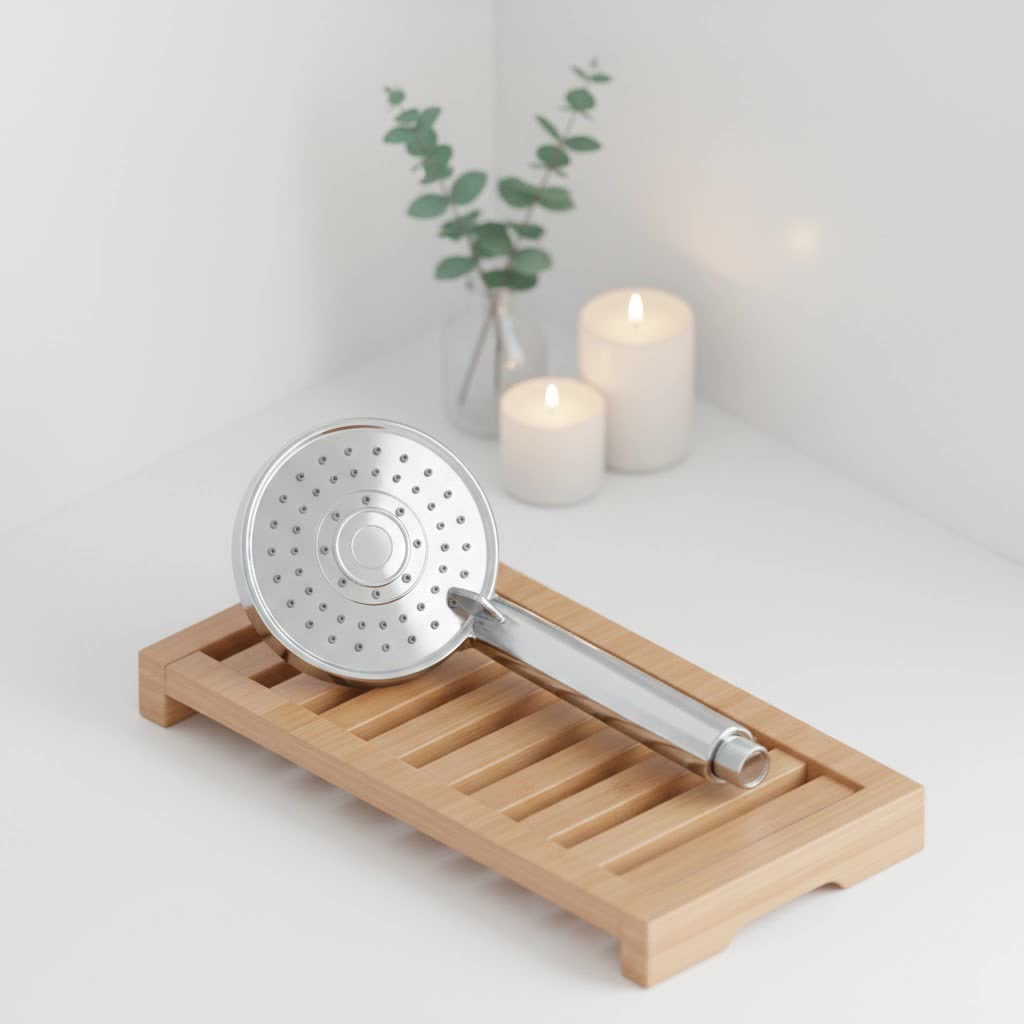
Stepping into your shower should be more than just a routine; it should be a refreshing and invigorating experience. If you’ve ever found yourself wishing for more control, flexibility, or a personalized touch during your daily wash, a shower head with a handle is precisely what you need. This versatile bathroom fixture, also known as a handheld shower head, transforms an ordinary shower into a dynamic and adaptable space, catering to diverse needs from targeted cleansing to making bathing more accessible for everyone in your household.
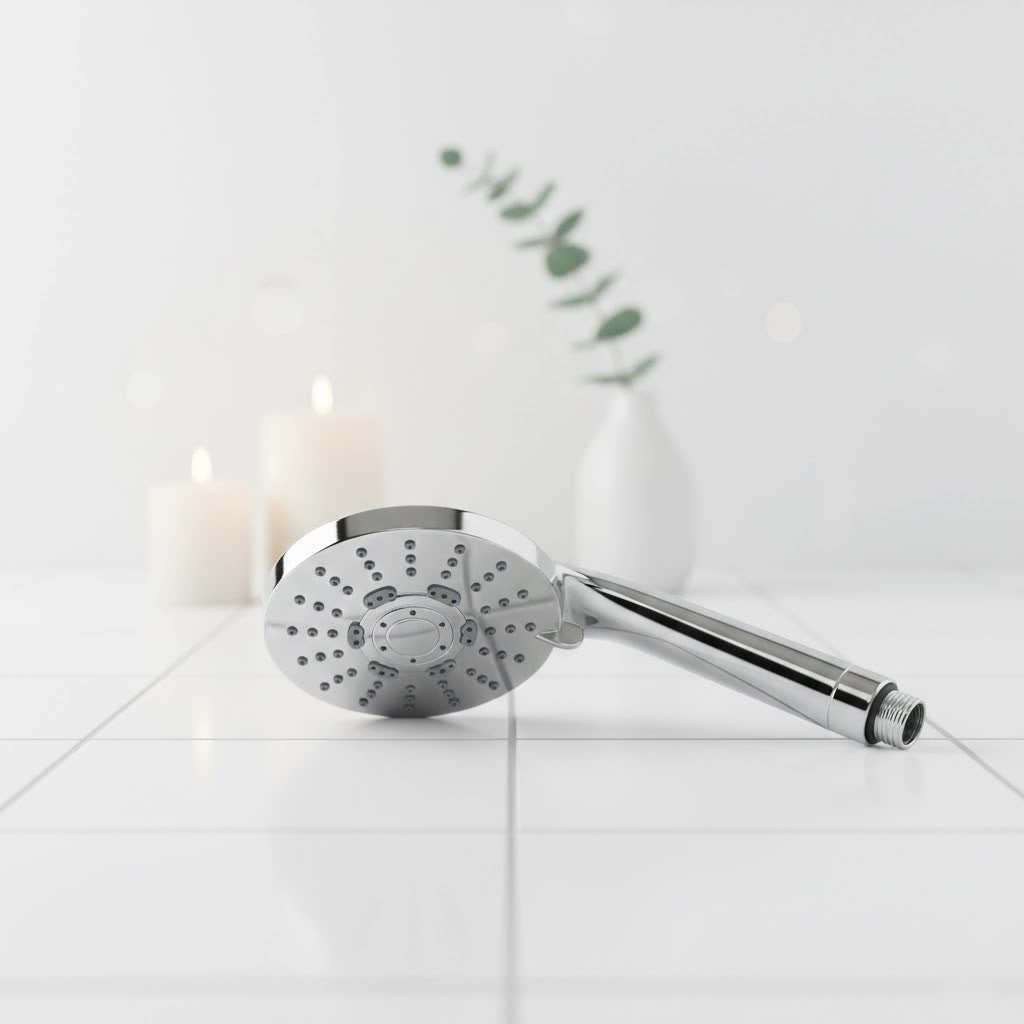
This comprehensive guide will delve into everything you need to know about shower heads with handles, from their evolution and various types to crucial factors for selection, installation, and maintenance, ensuring you choose the perfect one for your home.
Shower Head with Handle: Overview and Evolution
A shower head with a handle, commonly referred to as a handheld shower head, is a shower fixture connected to a flexible hose, allowing you to detach it from its mounted position and direct the water flow manually. Unlike traditional fixed shower heads that remain static, the handheld variant offers unparalleled versatility and control, significantly enhancing the showering experience.
Historically, shower heads were primarily fixed, offering a single, unchanging spray pattern from an overhead position. The evolution of the shower head with a handle brought a revolutionary change, introducing an element of adaptability that was previously absent. Early models were simple, often found in European bathrooms, valued for their practicality in washing specific body parts or cleaning the shower area. Over time, advancements in plumbing technology, materials science, and design have transformed the handheld shower head into a sophisticated fixture boasting multiple spray settings, enhanced water efficiency, and aesthetically pleasing designs that complement any modern bathroom. Today, they are a staple in many homes, recognized for their functional benefits and contribution to a more luxurious bathing experience.
The market now offers a wide array of handheld shower heads, ranging from basic single-spray units to advanced multi-function systems, often integrated with fixed heads or featuring built-in filters. This variety ensures that there’s a shower head with a handle to suit every preference and requirement, whether you seek powerful hydro-massage or a gentle, water-saving mist.
Classifying Shower Heads with Handles by Function and Design
Understanding the different categories of shower heads, particularly those with handles, is key to making an informed decision. While fixed shower heads offer a stationary stream, handheld options provide dynamic flexibility.
Fixed Shower Heads
|
Our Picks for the Best Shower Head in 2026
We may earn a commission when you use one of our links to make a purchase.
|
||
| Num | Product | Action |
|---|---|---|
| 1 | SparkPod Shower Head - High Pressure Rain - Premium Quality Luxury Design - Easy Clean Adjustable Replacement for Your Bathroom Shower Heads (Midnight Black Matte, 6 Inch Round) |

|
| 2 | SparkPod Shower Head - High Pressure Rain - Premium Quality Luxury Design - Easy Clean Adjustable Replacement for Your Bathroom Shower Heads (Luxury Polished Chrome, 6 Inch Round) |
|
| 3 | High Pressure Rain Shower Head: Upgrade Shower Heads with Handheld Spray Combo with Fixed Showerhead and 10 Sprays Handheld Shower Head, Detachable Showerheads Built-in Magnetic Docking and Power Jets |
|
| 4 | SparkPod Shower Head - High Pressure Rain - Premium Quality Luxury Design - Easy Clean Adjustable Replacement for Your Bathroom Shower Heads (Charcoal Grey, 6 Inch Round) |
|
| 5 | SparkPod Shower Head - High Pressure Rain - Premium Quality Luxury Design - Easy Clean Adjustable Replacement for Your Bathroom Shower Heads (Elegant Brushed Nickel, 6 Inch Round) |
|
| 6 | SparkPod Shower Head - High Pressure Rain - Premium Quality Luxury Design - Easy Clean Adjustable Replacement for Your Bathroom Shower Heads (Egyptian Gold, 6 Inch Round) |
|
| 7 | High Pressure Rain Shower Head: Upgrade Shower Heads with Handheld Spray Combo with Fixed Showerhead and 10 Sprays Handheld Shower Head, Detachable Showerheads Built-in Magnetic Docking and Power Jets |
|
| 8 | Shower Head with Handheld High Pressure, Rain Shower Head with Fixed Showerhead and 9 Sprays Handheld Shower, Detachable 2-IN-1 Shower head with 59" Rotatable Stainless Steel Hose (Chrome) |
|
| 9 | High Pressure Rain Shower Head: Upgrade Shower Heads with Handheld Spray Combo with Fixed Showerhead and 10 Sprays Handheld Shower Head, Detachable Shower head Built-in Power Jets |
|
| 10 | Cobbe All Metal Shower Head with Handheld – Solid Stainless Steel 3-Mode High Pressure Showerhead, Detachable Wand with 59" Hose & Adjustable Bracket Water Saving Eco-Flow, Brushed Nickel |
|
Before diving deeper into handheld models, it’s worth briefly noting fixed shower heads. These are permanently mounted to the wall, providing a consistent, hands-free showering experience. They are known for their simplicity, ease of installation, and often more affordable price points. While they offer various spray settings, their main limitation is the inability to direct water freely, which is where a shower head with a handle truly shines.
Handheld Shower Heads
Handheld shower heads are defined by their flexible hose, allowing users to move the spray directly to any part of the body or shower area.
- Advantages: The primary advantage is versatility and flexibility, making it easy to rinse shampoo, wash children, bathe pets, or assist individuals with limited mobility. They offer enhanced accessibility and safety for the elderly or those recovering from surgery, reducing the risk of falls by allowing seated showering. Additionally, they make cleaning the shower, tub, or tiles significantly easier by directing water precisely where needed. Many models also support water conservation by enabling users to pause water flow while lathering or shaving.
- Disadvantages: Some handheld models might be slightly more expensive due to additional components like the hose and mounting bracket. In some cases, if not properly selected, they might have slightly lower water pressure than a dedicated high-pressure fixed head, though many modern designs overcome this. The hose itself can sometimes be a minor aesthetic consideration or require occasional cleaning to prevent mineral buildup.
- Flexible Features and Applications: Handheld shower heads often come with adjustable spray settings, pause buttons, and different mounting options (slide bars for adjustable height or magnetic docks for easy reattachment), enhancing their utility for various applications.
High-Pressure Shower Heads
High-pressure shower heads are engineered to deliver a powerful, invigorating stream, even in homes with low water pressure. This is often achieved through internal flow designs that constrict the water, increasing its velocity.
- Mechanism and Benefits: They utilize flow-optimizing technology to intensify the water stream. The benefit is a more forceful rinse, effective for washing thick hair, massaging tired muscles, or simply enjoying a more intense showering experience.
- Suitable for Low Water Pressure: For households plagued by weak water flow, a high-pressure handheld shower head can be a game-changer, providing a satisfying shower without needing costly plumbing modifications. Many handheld models are designed with this capability.
Water-Saving Shower Heads
Designed to reduce water consumption without compromising performance, water-saving shower heads are an eco-friendly and economical choice.
- Technology Used: These heads incorporate flow restrictors that limit the amount of water used per minute (measured in Gallons Per Minute or GPM, typically 1.5 to 2.0 GPM, compared to standard 2.5 GPM). Many handheld versions also feature a pause button right on the handle, allowing you to temporarily stop the water flow while lathering or shaving, resuming at the same temperature.
- Benefits: Beyond reducing your environmental footprint, water-saving shower heads lead to noticeable savings on your water and energy bills (as less hot water is consumed).
Massage Shower Heads
For those who view showering as a therapeutic experience, massage shower heads offer targeted relief and relaxation.
- Different Massage Modes: These shower heads typically feature pulsating spray patterns that mimic a massage, often with varying intensity levels. Other modes might include mist for a spa-like feel, wide spray for full body coverage, or a concentrated jet for focused rinsing.
- Benefits for Health and Relaxation: The pulsating water can help soothe sore muscles, relieve tension, and improve circulation, turning your daily shower into a rejuvenating hydrotherapy session.
Filtered Shower Heads
Filtered shower heads are designed to improve water quality, offering benefits for your skin, hair, and overall well-being.
- Purpose: These units contain filters that remove impurities such as chlorine, heavy metals, sediment, and other contaminants commonly found in tap water.
- Benefits for Skin and Hair: By reducing chlorine exposure, filtered shower heads can prevent skin dryness and irritation, preserve hair color, and leave both skin and hair feeling softer and healthier. They can also minimize mineral buildup within the shower head itself.
Comparison Table of Shower Heads with Handles
| Feature | Handheld Shower Heads (General) | High-Pressure Handheld | Water-Saving Handheld | Massage Handheld | Filtered Handheld |
|---|---|---|---|---|---|
| Function | Detachable, flexible water flow | Strong, invigorating spray | Reduced water consumption | Pulsating, targeted relief | Improved water quality |
| Design | Ergonomic handle, flexible hose | Optimized internal flow | Low GPM restrictors, pause button | Multiple spray modes | Built-in filter cartridge |
| Key Benefits | Versatility, accessibility, easy cleaning | Powerful rinse, good for low pressure | Eco-friendly, lower bills | Muscle relaxation, therapy | Healthier skin/hair, cleaner water |
| Typical GPM | 1.8 – 2.5 | 1.8 – 2.5 (feels stronger) | 1.5 – 2.0 | 1.8 – 2.5 | 1.8 – 2.5 |
| Best For | Families, pets, cleaning, accessibility | Low water pressure, powerful shower preference | Eco-conscious users, budget-friendly | Relaxation, muscle relief | Sensitive skin/hair, hard water areas |
| Considerations | Hose length, mounting | Noise, initial cost | Perceived pressure, initial cost | Cost, range of modes | Filter replacement cost |
Factors to Consider When Buying a Shower Head with Handle (Buying Guide)
Choosing the ideal shower head with a handle involves evaluating several key factors to ensure it meets your specific needs and preferences.
Water Pressure
The existing water pressure in your home is a critical consideration.
- Check Your Home’s Water Pressure: You can test your home’s water pressure with a simple gauge available at hardware stores. Knowing your GPM (gallons per minute) helps.
- Choose a Shower Head to Suit Water Pressure: If you have naturally high water pressure, most standard shower heads with handles will work well. For low water pressure, specifically look for high-pressure handheld models designed to boost flow, often featuring narrower internal channels or specialized nozzle designs. Conversely, if water conservation is a priority, consider low-flow models that still deliver a satisfying spray.
Materials and Finish
The construction materials and finish impact durability, aesthetics, and maintenance.
- Common Materials:
- Plastic (ABS): Lightweight, affordable, but less durable. Often coated to mimic metal.
- Metal (Brass, Stainless Steel): More durable, resistant to corrosion and wear, but typically heavier and more expensive.
- Pros and Cons of Each:
- Plastic: Cost-effective, lightweight. Can crack or degrade over time, less premium feel.
- Metal: Long-lasting, robust, luxurious feel. Higher upfront cost, can be heavier.
- Finishes: Common finishes include chrome, brushed nickel, oil-rubbed bronze, and matte black. Chrome is classic and shiny but shows water spots. Brushed nickel is versatile and hides spots better. Matte black offers a modern, bold look. Stainless steel is durable and minimalist. Consider what complements your bathroom decor and your cleaning routine. Look for silicone nozzles, which are easy to clean and prevent mineral buildup.
Functions and Spray Modes
The variety of spray settings greatly influences your showering experience.
- Different Spray Modes:
- Rain/Rainfall: A gentle, drenching cascade like natural rain.
- Massage/Pulsating: Strong, focused bursts for muscle relief.
- Mist: Fine, soft spray for a spa-like feel or delicate rinsing.
- Jet: A powerful, concentrated stream for rinsing or cleaning.
- Wide/Full Body: Broad coverage for an encompassing wash.
- Choosing Functions for Your Needs: Consider who will use the shower. A multi-function head is ideal for families with diverse preferences. A massage setting is great for athletes or those with aches. A pause button is invaluable for water saving or bathing children and pets.
Size and Design
Aesthetics and ergonomics play a role in both the look and feel of your bathroom.
- Matching Your Bathroom Style: Select a shower head with a handle that aligns with your bathroom’s overall design theme, whether modern, traditional, minimalist, or rustic. Consider the size of the shower head face – larger heads offer more coverage, while smaller ones are often lighter and easier to maneuver.
- Ergonomics and Hose Length: An ergonomic handle ensures a comfortable grip, especially important for prolonged use or for individuals with limited hand strength. The hose length is crucial for versatility; a longer hose (60-72 inches) offers greater reach for cleaning, pet bathing, or assisting others. Ensure the hose is flexible and kink-resistant.
Brand and Price
While budget is a factor, investing in a reputable brand often pays off in quality and longevity.
- Reputable Brands: Brands like Moen, Delta, Waterpik, Kohler, and Hansgrohe are well-regarded for their quality, innovation, and customer support. They often offer better warranties and readily available replacement parts.
- Price vs. Value: Handheld shower heads range widely in price. While budget-friendly options exist, more expensive models typically feature superior materials, advanced spray technologies, and greater durability. Balance your budget with the features and quality you desire.
Ease of Installation and Cleaning
A user-friendly design makes a big difference in the long run.
- Easy Installation: Most shower heads with handles are designed for DIY installation, typically requiring only basic tools (or none at all) and a few steps to replace your existing shower head. Look for models that come with clear instructions and all necessary hardware.
- Maintenance: Features like rub-clean silicone nozzles are excellent for preventing mineral buildup and making cleaning effortless. Regular wiping and occasional soaking in vinegar can keep your shower head performing optimally and extend its lifespan.
Top Popular Shower Head with Handle Brands
Several brands consistently receive high praise for their innovation, quality, and performance in the handheld shower head market:
- Moen: Known for innovative features like Magnetix docking systems, which allow for easy reattachment of the handheld shower head, and a range of stylish finishes.
- Delta Faucet: Offers a wide selection of handheld shower heads with features like MagnaTite Docking and Touch-Clean spray holes for easy maintenance.
- Waterpik: Often lauded for its high-pressure models and PowerPulse massage technology, delivering invigorating showers.
- Kohler: Provides a blend of sophisticated design and robust functionality, with various spray experiences and quality materials.
- AquaDance: Known for offering versatile and affordable combo units, often featuring multiple spray settings and easy installation.
These brands provide excellent options across different price points and feature sets, ensuring a quality purchase.
Shower Head with Handle Installation and Maintenance Guide
Installing and maintaining a shower head with a handle is typically straightforward, ensuring long-lasting performance and enjoyment.
Step-by-Step Installation
Most handheld shower heads can be installed without professional help.
- Gather Tools: You’ll usually need an adjustable wrench, plumber’s tape, and a cloth.
- Remove Old Shower Head: Turn off the water supply. Use an adjustable wrench to unscrew the old shower head from the shower arm, turning counter-clockwise. Clean any old plumber’s tape or mineral buildup from the threads.
- Apply Plumber’s Tape: Wrap new plumber’s tape around the threads of the shower arm 2-3 times in a clockwise direction. This helps create a watertight seal.
- Install Diverter/Bracket: If your new unit includes a diverter (for combo units) or a mounting bracket, screw it onto the shower arm hand-tight, then tighten with a wrench (using a cloth to protect the finish). Ensure it’s facing the desired direction.
- Attach Hose: Connect one end of the flexible hose to the diverter/bracket and the other end to the handheld shower head. Hand-tighten both connections securely.
- Test for Leaks: Turn the water supply back on and check for any leaks. Tighten connections slightly if necessary.
Maintenance Tips
Regular care will keep your Shower Head With Handle functioning optimally.
- Clean Nozzles Regularly: If your shower head has rubber or silicone nozzles, gently rub them with your finger to dislodge mineral buildup. For harder deposits, use an old toothbrush.
- Deep Cleaning: Periodically unscrew the shower head and soak it in a solution of equal parts white vinegar and water for a few hours or overnight. This effectively dissolves hard water stains and mineral deposits. Rinse thoroughly before reattaching.
- Inspect Hose: Check the flexible hose for any kinks, cracks, or signs of wear. Replace it if damaged to prevent leaks and maintain proper water flow.
- Avoid Harsh Cleaners: Use mild, non-abrasive cleaners specifically designed for bathroom fixtures to prevent damaging the finish.
- Address Low Pressure: If you notice a drop in pressure, first clean the shower head for mineral buildup. Also, check the filter screen inside the connection point for debris.
Troubleshooting Common Problems
- Low Water Pressure: Clean nozzles and filter screen. Check for kinks in the hose. Ensure the main valve is fully open.
- Leaking: Tighten connections. Reapply plumber’s tape if necessary. Check that all washers and O-rings are correctly seated.
- Inconsistent Spray: Often due to clogged nozzles; follow cleaning steps above.
Conclusion
A shower head with a handle is more than just a bathroom accessory; it’s a game-changer for enhancing comfort, versatility, and accessibility in your daily routine. From simplifying tasks like bathing children and pets to providing targeted muscle relief and improving personal hygiene, the benefits are undeniable. By considering factors such as water pressure, material quality, spray functions, and ease of maintenance, you can confidently select a model that perfectly aligns with your lifestyle.
Embrace the flexibility and personalized showering experience that a high-quality shower head with a handle offers, transforming your bathroom into a more functional and enjoyable space. What kind of invigorating shower experience are you hoping to create?
Frequently Asked Questions
Is a handheld shower head good for small showers?
Yes, a handheld shower head can be excellent for small showers. Its flexibility allows you to direct water precisely, preventing splashes and making it easier to maneuver within confined spaces. Many compact designs are also available, ensuring it won’t overwhelm a smaller bathroom.
Can a shower head with a handle save water?
Absolutely. Many handheld shower heads are designed with water-saving features, such as low-flow rates (1.5-2.0 GPM) and pause buttons that temporarily stop water flow while you lather, shave, or perform other tasks, significantly reducing water waste.
How long does a handheld shower head typically last?
The lifespan of a handheld shower head largely depends on its material quality and how well it’s maintained. High-quality metal models can last 10-15 years or more, while plastic versions might need replacing every 3-7 years. Regular cleaning helps extend its life.
Are handheld shower heads easy to install yourself?
Yes, most handheld shower heads are designed for straightforward DIY installation. They typically screw onto your existing shower arm, often requiring only basic tools like an adjustable wrench and plumber’s tape. Clear instructions are usually included.
Can I use a shower head with a handle if I have low water pressure?
Many handheld shower heads are specifically engineered with high-pressure technology to perform exceptionally well even in homes with low water pressure. These models optimize water flow to deliver a strong, satisfying spray.
What is the ideal hose length for a handheld shower head?
A common and versatile hose length is between 60 to 72 inches (5 to 6 feet). This length provides ample reach for most tasks, including bathing children or pets, cleaning the shower, and accommodating users of different heights, without being excessively long or cumbersome.