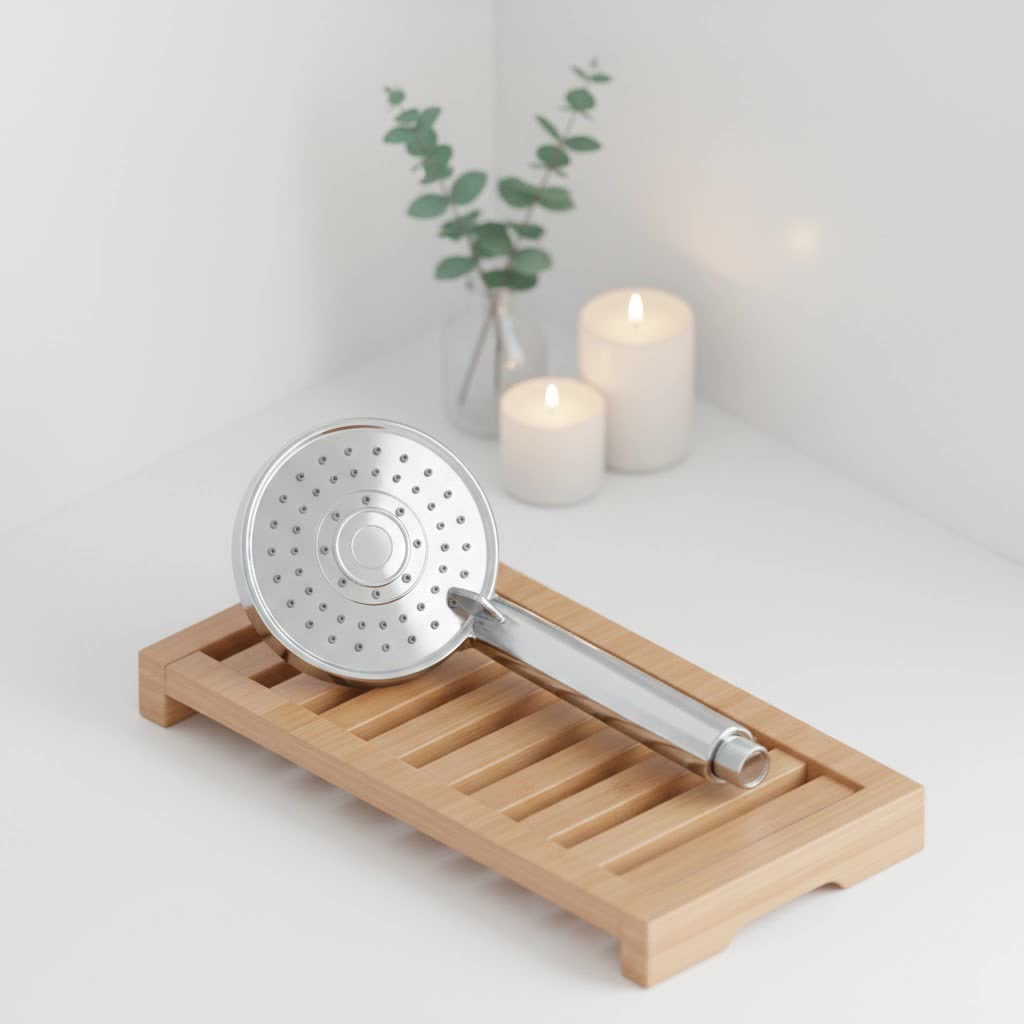
Stepping into a shower should be a daily ritual of rejuvenation, not a battle with weak water pressure or a restrictive spray. The right Shower Head can transform your bathroom into a personal oasis, delivering everything from an invigorating massage to a gentle, rainfall-like experience. But with countless options on the market, how do you find the perfect shower head that meets your specific needs and preferences? This comprehensive guide will walk you through the evolution, types, and crucial factors to consider, ensuring you make an informed decision for an unparalleled showering experience.
Shower Head: Overview and Evolution
A shower head is more than just a bathroom fixture; it’s a critical component that dictates the quality of your daily cleanse. Its primary purpose is to deliver water in a controlled, enjoyable manner, transforming a basic necessity into a comforting or energizing experience. From simple spouts in ancient communal baths to today’s high-tech, multi-function devices, the shower head has a rich history of innovation aimed at enhancing personal hygiene and well-being. Early versions were often rudimentary, merely directing water from a source. Over centuries, advancements in plumbing and design led to more sophisticated spray patterns, better water efficiency, and a wider array of aesthetic choices. Today, the market boasts a diverse range of shower heads, each designed to cater to different preferences, water pressures, and bathroom styles, offering an unprecedented level of customization for your showering pleasure.
Classifying Shower Heads by Function and Design
The world of shower heads is vast, with designs and functionalities evolving to meet every imaginable need. Understanding the different categories is the first step toward finding your ideal match.
Fixed Shower Heads
|
Our Picks for the Best Shower Head in 2026
We may earn a commission when you use one of our links to make a purchase.
|
||
| Num | Product | Action |
|---|---|---|
| 1 | High Pressure Rain Shower Head: Upgrade Shower Heads with Handheld Spray Combo with Fixed Showerhead and 10 Sprays Handheld Shower Head, Detachable Showerheads Built-in Magnetic Docking and Power Jets |

|
| 2 | Cobbe All Metal Shower Head with Handheld – Solid Stainless Steel 3-Mode High Pressure Showerhead, Detachable Wand with 59" Hose & Adjustable Bracket Water Saving Eco-Flow, Brushed Nickel |
|
| 3 | SparkPod Shower Head - High Pressure Rain - Premium Quality Luxury Design - Easy Clean Adjustable Replacement for Your Bathroom Shower Heads (Egyptian Gold, 6 Inch Round) |
|
| 4 | SparkPod Shower Head - High Pressure Rain - Premium Quality Luxury Design - Easy Clean Adjustable Replacement for Your Bathroom Shower Heads (Elegant Brushed Nickel, 6 Inch Round) |
|
| 5 | SparkPod Shower Head - High Pressure Rain - Premium Quality Luxury Design - Easy Clean Adjustable Replacement for Your Bathroom Shower Heads (Luxury Polished Chrome, 6 Inch Round) |
|
| 6 | Shower Head with Handheld High Pressure, Rain Shower Head with Fixed Showerhead and 9 Sprays Handheld Shower, Detachable 2-IN-1 Shower head with 59" Rotatable Stainless Steel Hose (Chrome) |
|
| 7 | SparkPod Shower Head - High Pressure Rain - Premium Quality Luxury Design - Easy Clean Adjustable Replacement for Your Bathroom Shower Heads (Charcoal Grey, 6 Inch Round) |
|
| 8 | SparkPod Shower Head - High Pressure Rain - Premium Quality Luxury Design - Easy Clean Adjustable Replacement for Your Bathroom Shower Heads (Midnight Black Matte, 6 Inch Round) |
|
| 9 | High Pressure Rain Shower Head: Upgrade Shower Heads with Handheld Spray Combo with Fixed Showerhead and 10 Sprays Handheld Shower Head, Detachable Shower head Built-in Power Jets |
|
| 10 | High Pressure Rain Shower Head: Upgrade Shower Heads with Handheld Spray Combo with Fixed Showerhead and 10 Sprays Handheld Shower Head, Detachable Showerheads Built-in Magnetic Docking and Power Jets |
|
Fixed shower heads are the most traditional and common type, mounted directly to the shower wall or ceiling. They offer a stable, consistent water flow and a minimalist aesthetic that blends seamlessly into most bathroom designs. Their main advantages include ease of installation and typically lower cost compared to more complex systems. However, their fixed position can limit flexibility, which might be a drawback for those who prefer to direct the water stream or for tasks like rinsing specific body parts or cleaning the shower enclosure. Modern fixed heads often feature adjustable spray patterns, offering more versatility than their predecessors while maintaining a sleek, uncluttered look.
Handheld Shower Heads
Offering unparalleled flexibility and convenience, handheld shower heads are connected to the main water supply via a flexible hose. This allows users to detach the head from its mount and direct the water exactly where needed. Handheld models are a boon for families, making it easier to bathe children or pets, and are invaluable for individuals with mobility issues. They also simplify cleaning the shower or bathtub. While providing significant utility, some users might find the hose less aesthetically pleasing than a fixed unit, and the mounting mechanism needs to be sturdy. Many handheld units also offer multiple spray settings, combining versatility with a customized water experience.
High-Pressure Shower Heads
For homes plagued by weak water pressure, or for individuals who simply crave an invigorating, powerful rinse, high-pressure shower heads are a game-changer. These devices are engineered to optimize water distribution and often incorporate clever nozzle designs or internal mechanisms to intensify the water flow, creating a robust spray even with limited incoming pressure. They excel at quickly rinsing shampoo from thick hair and can turn a lackluster shower into an energizing experience. While designed to enhance pressure, many modern high-pressure models still adhere to water-saving standards, ensuring efficiency without compromising performance.
Water-Saving Shower Heads
Environmentally conscious consumers and those looking to reduce utility bills often turn to water-saving shower heads. These fixtures are designed with advanced technologies, such as aerators or flow restrictors, to minimize water consumption without sacrificing the sensation of a satisfying shower. Government regulations typically cap flow rates, with many water-saving models operating at or below 2.5 gallons per minute (GPM). By using less water, these shower heads not only contribute to conservation efforts but also lead to significant savings on both water and heating costs over time. They prove that efficiency can coexist with an enjoyable showering experience.
Massage Shower Heads
Transform your daily shower into a therapeutic escape with a massage shower head. These units feature various spray modes, including pulsating jets, concentrated streams, or oscillating patterns, designed to relieve muscle tension, stimulate circulation, and provide a spa-like relaxation experience. From a gentle, rhythmic pulse to a powerful, targeted massage, the adjustable settings allow you to customize your hydrotherapy session to your exact needs. The benefits extend beyond simple cleanliness, offering a moment of self-care and stress reduction right in your own bathroom.
Filtered Shower Heads
The quality of your shower water can significantly impact your skin and hair. Filtered shower heads are equipped with filtration systems that remove impurities such as chlorine, heavy metals, sediment, and other contaminants commonly found in tap water. By doing so, they can help prevent dry skin, reduce hair damage, alleviate irritation from chlorine, and even improve the lathering of soaps and shampoos. For individuals in areas with hard water or those with sensitive skin and scalps, a filtered shower head offers a tangible health and beauty benefit, delivering cleaner, softer water directly to your body.
Comparative Table of Shower Head Types
| Feature | Fixed Shower Head | Handheld Shower Head | High-Pressure Shower Head | Water-Saving Shower Head | Massage Shower Head | Filtered Shower Head |
|---|---|---|---|---|---|---|
| Function | Consistent, direct spray | Flexible, targeted spray | Boosts weak pressure | Reduces water usage | Therapeutic spray modes | Removes impurities |
| Design | Wall/ceiling mounted | Detachable hose & mount | Various designs | Various designs | Often multi-function | Integrated filter cartridge |
| Price Range | Low to Mid | Mid | Mid to High | Mid | Mid to High | Mid to High |
| Pros | Simple, reliable, affordable | Versatile, easy for cleaning/bathing | Powerful spray, good for low pressure | Eco-friendly, lower bills | Relieves tension, relaxing | Better for skin/hair, purer water |
| Cons | Limited flexibility | Hose may be intrusive | Can be noisy, may use more water | Perceived lower pressure | May use more water | Filter replacement cost |
| Overall Rating | ★★★☆☆ | ★★★★☆ | ★★★★☆ | ★★★★☆ | ★★★★☆ | ★★★★☆ |
Factors to Consider When Buying a Shower Head
Choosing the ideal shower head requires careful consideration of several key factors that influence both performance and satisfaction.
Water Pressure
Understanding your home’s water pressure is paramount. A high-pressure shower head might be essential if you experience a weak trickle, while homes with robust pressure can enjoy a wider array of options, including large rain shower heads. You can often test your home’s water pressure with a simple gauge or by observing the existing flow. Selecting a shower head designed to complement your specific water pressure ensures optimal performance and a satisfying spray every time.
Material
The material of your shower head affects its durability, longevity, and aesthetic appeal. Common materials include:
- Plastic: Most affordable, lightweight, but less durable and prone to cracking or mineral buildup.
- Metal (e.g., Brass, Stainless Steel): More durable, rust-resistant, and offers a premium feel.
- Finishes: Chrome, brushed nickel, bronze, and matte black are popular options, offering varying levels of resistance to corrosion and tarnishing. Choose a finish that complements your existing bathroom fixtures for a cohesive look.
Functions and Spray Modes
Modern shower heads often come equipped with a variety of spray modes to customize your shower experience. These can include:
- Full/Wide Spray: A standard, encompassing rinse.
- Rainfall: A gentle, broad, soaking spray.
- Massage/Pulsating: Targeted, rhythmic streams for muscle relief.
- Misty/Mist: A fine, soft spray, often for a cooling effect.
- Jet/Concentrated: A powerful, narrow stream for intense rinsing or cleaning.
- Pause: Temporarily reduces water flow to a trickle, saving water during lathering or shaving without changing temperature settings.
Consider your personal preferences and daily needs to select a shower head with functions that enhance your routine.
Size and Design
The size and design of your shower head should align with your bathroom’s dimensions and aesthetic. Large rain shower heads require more overhead clearance and can make a small shower feel cramped. Smaller, more compact designs are better suited for tight spaces. In terms of design, options range from sleek, minimalist modern styles to classic, ornate fixtures. Shapes include round, square, and rectangular, allowing you to match the shower head to your overall bathroom decor, creating a harmonious and stylish environment.
Brand and Price
Investing in a reputable brand often guarantees better quality, durability, and customer support. Leading shower head manufacturers like Delta, Moen, Waterpik, and Kohler are known for their innovation and reliability. While price points vary significantly, from budget-friendly plastic models to luxurious high-end systems, consider it an investment in your daily comfort. Balancing features, material quality, and brand reputation with your budget will help you find a shower head that offers the best value for your money.
Ease of Installation and Cleaning
For DIY enthusiasts, an easy-to-install shower head can save on professional plumbing costs. Most standard fixed shower heads can be replaced with basic tools. Similarly, a shower head designed for easy cleaning will save time and effort in maintenance. Features like rubber nozzles that allow mineral deposits to be wiped away easily, or detachable components for thorough cleaning, contribute to better long-term performance and hygiene, preventing clogs and maintaining optimal spray.
Top Popular Shower Head Brands
When it comes to upgrading your shower experience, certain brands consistently stand out for their quality, innovation, and reliability. Here are some of the most popular and highly-rated shower head brands:
- Delta Faucet: Known for its innovative H2Okinetic Technology, Delta offers a wide range of shower heads, including fixed, handheld, and dual options. Their products often feature multiple spray patterns and stylish designs, backed by strong warranties. Many users praise Delta for its balance of performance, water efficiency, and aesthetic appeal.
- Moen: Moen is synonymous with durability and elegant design. Their Magnetix technology, which uses a magnetic dock for handheld shower heads, is a popular feature offering convenience and flexibility. Moen shower heads are generally well-regarded for their robust construction and consistent water flow, providing a luxurious feel.
- Waterpik: If high-pressure performance is your priority, Waterpik is a strong contender. They specialize in shower heads designed to deliver powerful sprays, often with numerous settings including intense massage options. Waterpik is an excellent choice for revitalizing low-pressure showers and for those who desire a more vigorous rinse.
- Kohler: Kohler offers premium shower heads that blend sophisticated design with advanced functionality. Their range includes everything from expansive rain shower heads to intricate multi-function units, often featuring unique spray experiences. Kohler products are a top choice for those looking to create a high-end, spa-like bathroom environment.
- Aquadance/Hotel Spa: These brands often provide excellent value, particularly for budget-conscious buyers seeking good performance. They are frequently cited for high-pressure capabilities and a decent variety of spray settings, often found in handheld or dual shower head configurations.
Each brand brings its unique strengths, ensuring there’s a perfect shower head for every preference and budget.
How to Install and Maintain Your Shower Head
Installing and maintaining your shower head doesn’t have to be a daunting task. With a few simple steps and regular care, you can ensure optimal performance and longevity.
Step-by-Step Installation Guide
Replacing a shower head is a common DIY project that requires minimal tools.
- Gather Tools: You’ll need your new shower head, thread seal tape (also known as plumber’s tape), an adjustable wrench or pliers (optional, typically for stubborn old heads), and a rag or towel to protect surfaces.
- Turn Off Water: Always begin by turning off the water supply to your shower, or the main water supply to your home, to prevent leaks.
- Remove Old Shower Head: Grasp the old shower head and turn it counter-clockwise. If it’s too tight, use your wrench (wrapped in a rag to protect the finish) to loosen it. Clean any old tape, mineral deposits, or debris from the shower arm threads.
- Apply Thread Seal Tape: Wrap the thread seal tape clockwise around the threads of the shower arm two to three times. This creates a watertight seal.
- Install New Shower Head:
- Fixed Head: Screw the new fixed shower head onto the shower arm in a clockwise direction. Hand-tighten it firmly. Avoid over-tightening with a wrench, as this can damage the threads.
- Handheld/Dual Head: First, attach any diverter valve to the shower arm, then the fixed head (if applicable), and finally the handheld mount and hose. Hand-tighten all connections.
- Check for Leaks: Turn the water supply back on and check for any drips or leaks. If a leak occurs, tighten the connection slightly more (hand-tightening is often sufficient) or reapply thread seal tape.
Tips for Shower Head Maintenance
Regular maintenance is key to keeping your shower head performing its best and extending its lifespan.
- Regular Cleaning: Mineral deposits (limescale) can clog nozzles, reducing water flow. At least once a month, clean your shower head. For removable heads, soak it in a solution of equal parts white vinegar and water for a few hours or overnight. For fixed heads, fill a plastic bag with the vinegar solution and secure it around the shower head with a rubber band, allowing it to soak.
- Scrub Nozzles: After soaking, use an old toothbrush or a soft cloth to scrub away any softened deposits from the nozzles. Many modern shower heads have rubber nozzles that can be simply wiped or rubbed to dislodge minerals.
- Check for Leaks: Periodically inspect connections for drips. A persistent drip not only wastes water but can also indicate a loose connection or a worn-out washer that needs replacing.
- Replace Washers/Seals: Over time, the rubber washers and seals within your shower head can degrade. If you notice persistent leaks even after tightening, replacing these small components can often resolve the issue.
Troubleshooting Common Shower Head Issues
- Low Water Pressure: First, ensure the water supply is fully open. Then, clean any mineral buildup in the nozzles and filter screen, as this is a common cause. If the problem persists, you might have low home water pressure, which a high-pressure shower head can help mitigate.
- Dripping Shower Head: This usually indicates a loose connection or a worn-out washer or O-ring. Try tightening the shower head or replacing the internal seals.
- Clogged Nozzles: Almost always due to mineral buildup. Follow the vinegar soaking method described above for effective cleaning.
Conclusion
Choosing the right shower head is a simple yet impactful decision that can elevate your daily routine from mundane to magnificent. By understanding the diverse types available, from the versatility of handheld units to the luxury of rain showers, and by considering crucial factors like water pressure, material, and spray patterns, you can confidently select a fixture that perfectly aligns with your preferences. Remember to prioritize ease of installation and maintenance to ensure long-term satisfaction. With a little research and care, you can transform your bathroom into a personalized sanctuary, making every shower a refreshing and enjoyable experience. Which feature will you prioritize to craft your perfect shower oasis?
Frequently Asked Questions
What is the ideal flow rate for a shower head?
The ideal flow rate for a shower head is typically around 2.0 to 2.5 gallons per minute (GPM). Modern regulations often cap flow rates at 2.5 GPM to promote water conservation. Many water-saving models offer excellent performance at even lower rates, such as 1.75 GPM, without compromising your showering experience.
Can a new shower head really improve low water pressure?
Yes, a new shower head, specifically one designed as a “high-pressure” model, can significantly improve the sensation of water pressure. These heads often use clever internal designs and smaller nozzle openings to intensify the flow and force of the water, making a weak stream feel much stronger and more invigorating.
How often should I clean my shower head?
It is recommended to clean your shower head at least once a month, or more frequently if you live in an area with hard water (high mineral content). Regular cleaning prevents mineral buildup in the nozzles, which can restrict water flow and affect spray patterns, ensuring consistent performance and hygiene.
Are filtered shower heads worth it for hair and skin?
Many users find filtered shower heads to be very beneficial for hair and skin. By removing chlorine, heavy metals, and other impurities from your shower water, they can help reduce dryness, irritation, and damage to both skin and hair, leading to a noticeable improvement in their overall health and appearance.
What’s the difference between a fixed and a dual shower head?
A fixed shower head is mounted permanently to the wall or ceiling, offering a single, consistent spray from a static position. A dual shower head system combines a fixed head with a handheld unit, offering the flexibility to use either independently or sometimes simultaneously, providing maximum versatility for different showering needs.