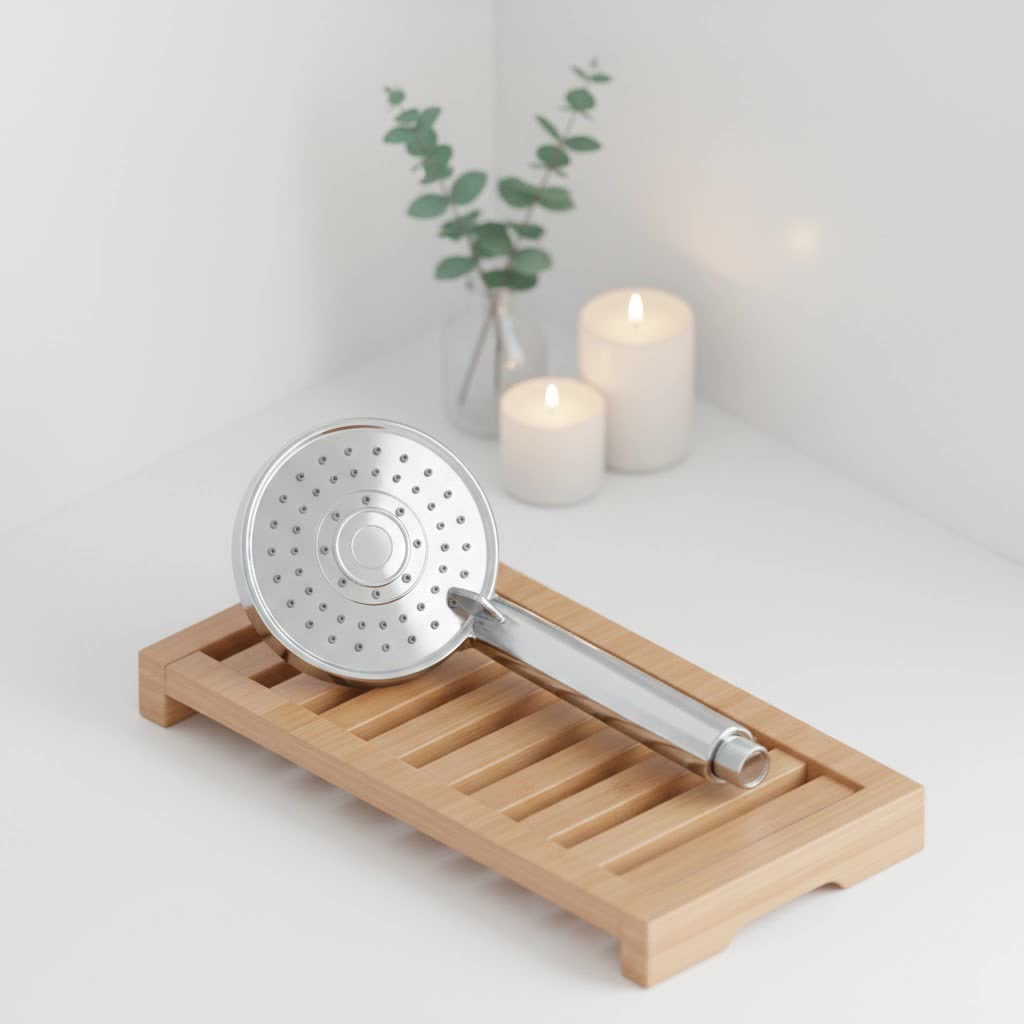
Stepping into a refreshing shower can be the most invigorating part of your day, washing away stress and preparing you for what’s ahead. But what if your daily rinse could be transformed into a truly indulgent, spa-like escape? This is where the rainfall shower head comes in, promising a gentle, enveloping cascade of water that redefines your bathing experience. Designed to mimic the natural sensation of warm summer rain, these innovative fixtures are not just about cleaning; they’re about creating a sanctuary within your bathroom. Join us as we explore the world of rainfall shower heads, helping you understand their unique benefits, diverse types, and key considerations for choosing the perfect model to elevate your daily routine.
Rain Shower Head: Overview and Evolution
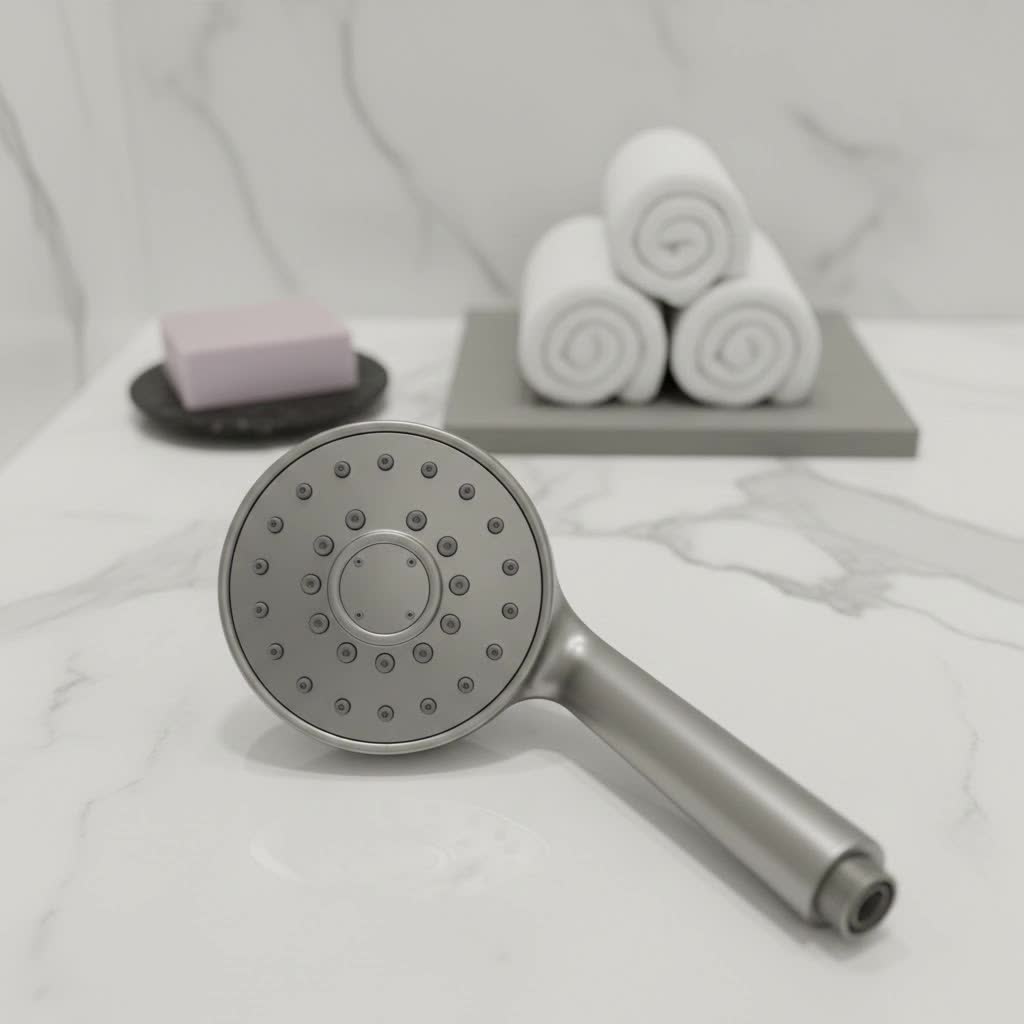
A rainfall shower head is fundamentally designed to deliver a broad, even flow of water that emulates the gentle, soaking sensation of natural rain. Its primary utility lies in providing full-body coverage, ensuring every inch is thoroughly rinsed under a soft, consistent downpour. This design dramatically differs from traditional shower heads, which typically offer a more focused, sometimes forceful, stream. The evolution of the shower head itself traces back centuries, but the concept of the “rainfall” experience as we know it is a more recent development, gaining significant popularity with the rise of modern bathroom aesthetics and a desire for home spa amenities. Early showers were simple spouts, evolving into adjustable spray patterns, but the large-diameter, overhead design of the rainfall shower head emerged as a premium option, moving the fixture from a utilitarian necessity to a central feature of bathroom luxury.
Today, the market offers a diverse array of rainfall shower heads, catering to various preferences and bathroom designs. These range from minimalist ceiling-mounted disks that blend seamlessly into the architecture to wall-mounted versions that project outward, offering flexibility in installation. The common thread among them is their commitment to wide water dispersion, transforming a mundane shower into a moment of pure relaxation.
Classifying Rain Shower Heads by Function and Design
Rain Shower Heads have evolved to include various functions and designs, each offering a unique showering experience. Understanding these categories can help you select one that perfectly aligns with your personal preferences and the demands of your bathroom.
Fixed Rain Shower Heads
Fixed rain shower heads are permanently mounted either on the wall or, more commonly, directly overhead from the ceiling. They are prized for their sleek, often minimalist appearance and the consistent, immersive rainfall experience they provide. These heads typically boast a larger diameter, ensuring maximum body coverage for a truly drenching sensation.
- Pros: Aesthetic appeal, consistent water flow, expansive coverage.
- Cons: Lack of flexibility for targeted rinsing or cleaning the shower area, may require specific plumbing for ceiling installation.
|
Our Picks for the Best Shower Head in 2026
We may earn a commission when you use one of our links to make a purchase.
|
||
| Num | Product | Action |
|---|---|---|
| 1 | High Pressure Rain Shower Head: Upgrade Shower Heads with Handheld Spray Combo with Fixed Showerhead and 10 Sprays Handheld Shower Head, Detachable Showerheads Built-in Magnetic Docking and Power Jets |

|
| 2 | SparkPod Shower Head - High Pressure Rain - Premium Quality Luxury Design - Easy Clean Adjustable Replacement for Your Bathroom Shower Heads (Egyptian Gold, 6 Inch Round) |
|
| 3 | High Pressure Rain Shower Head: Upgrade Shower Heads with Handheld Spray Combo with Fixed Showerhead and 10 Sprays Handheld Shower Head, Detachable Shower head Built-in Power Jets |
|
| 4 | Cobbe All Metal Shower Head with Handheld – Solid Stainless Steel 3-Mode High Pressure Showerhead, Detachable Wand with 59" Hose & Adjustable Bracket Water Saving Eco-Flow, Brushed Nickel |
|
| 5 | Shower Head with Handheld High Pressure, Rain Shower Head with Fixed Showerhead and 9 Sprays Handheld Shower, Detachable 2-IN-1 Shower head with 59" Rotatable Stainless Steel Hose (Chrome) |
|
| 6 | SparkPod Shower Head - High Pressure Rain - Premium Quality Luxury Design - Easy Clean Adjustable Replacement for Your Bathroom Shower Heads (Luxury Polished Chrome, 6 Inch Round) |
|
| 7 | SparkPod Shower Head - High Pressure Rain - Premium Quality Luxury Design - Easy Clean Adjustable Replacement for Your Bathroom Shower Heads (Elegant Brushed Nickel, 6 Inch Round) |
|
| 8 | High Pressure Rain Shower Head: Upgrade Shower Heads with Handheld Spray Combo with Fixed Showerhead and 10 Sprays Handheld Shower Head, Detachable Showerheads Built-in Magnetic Docking and Power Jets |
|
| 9 | SparkPod Shower Head - High Pressure Rain - Premium Quality Luxury Design - Easy Clean Adjustable Replacement for Your Bathroom Shower Heads (Midnight Black Matte, 6 Inch Round) |
|
| 10 | SparkPod Shower Head - High Pressure Rain - Premium Quality Luxury Design - Easy Clean Adjustable Replacement for Your Bathroom Shower Heads (Charcoal Grey, 6 Inch Round) |
|
Handheld Rain Shower Heads
While less common as standalone rain shower heads, many systems offer a combination unit featuring a fixed rainfall head alongside a detachable handheld shower. This hybrid design provides the best of both worlds, allowing you to enjoy the broad coverage of a rainfall shower while retaining the versatility of a handheld wand for specific tasks like rinsing hard-to-reach areas, washing pets, or cleaning the shower enclosure.
- Pros: Versatility, targeted rinsing, convenience for cleaning.
- Cons: May introduce additional visual clutter with hoses and mounts.
High-Pressure Rain Shower Heads
Traditionally, rainfall shower heads were associated with a gentler, lower-pressure flow. However, advancements in design and technology have introduced high-pressure rain shower heads. These models are engineered with optimized internal pathways and nozzles to amplify water force, ensuring a robust and invigorating downpour, even in homes with naturally lower water pressure.
- Pros: Stronger spray, effective rinsing for thick hair, compensates for low home water pressure.
- Cons: Can sometimes detract from the “gentle rain” experience if pressure is too high.
Water-Saving Rain Shower Heads
As environmental consciousness grows, so does the demand for water-efficient fixtures. Water-saving rain shower heads incorporate technologies like air-injection, which mixes air with water to create larger, fuller droplets while using less actual water (measured in Gallons Per Minute, GPM). Many are WaterSense certified, meaning they meet strict EPA criteria for efficiency without sacrificing performance.
- Pros: Reduced water consumption, lower utility bills, eco-friendly.
- Cons: Some models might have a slightly less drenching feel if not well-designed.
Massage Rain Shower Heads
Rather than a distinct type, “massage” is often a spray setting available on multi-function rain shower heads. These heads offer various modes beyond a standard rainfall, including pulsating or targeted streams designed to soothe sore muscles and provide a therapeutic experience. The ability to switch between a gentle rainfall and an invigorating massage adds significant value and customization to your shower.
- Pros: Muscle relaxation, therapeutic benefits, versatile showering options.
- Cons: More complex internal mechanisms can sometimes mean a higher price point.
Filtered Rain Shower Heads
For those concerned about water quality, filtered rain shower heads integrate filtration systems directly into the fixture. These filters work to remove impurities such as chlorine, sediment, and heavy metals from the water, offering benefits for skin and hair health, as well as preventing mineral buildup on the shower head itself.
- Pros: Improved water quality, benefits for skin and hair, reduces limescale buildup.
- Cons: Requires regular filter replacement, potentially higher initial cost.
Comparison Table of Rain Shower Head Types
Choosing the ideal rain shower head often comes down to balancing desired features with practical considerations. This table provides a quick overview to help you compare the main types.
| Feature / Type | Fixed Rain Shower Head | Handheld Rain Shower Head Combo | High-Pressure Rain Shower Head | Water-Saving Rain Shower Head | Filtered Rain Shower Head |
|---|---|---|---|---|---|
| Function | Immersive, broad coverage | Versatile, targeted rinsing | Invigorating, strong flow | Eco-friendly, conscious use | Health-focused, water purification |
| Design | Minimalist, overhead | Dual fixture, hose-attached | Standard rain head aesthetics | Standard rain head aesthetics | Integrated filter cartridge |
| Price (General) | Mid-range to High | Mid-range to High | Mid-range | Mid-range to High | High-range, ongoing filter cost |
| Pros | Luxurious feel, clean look | Flexibility, easy cleaning | Powerful rinse, good for low pressure | Reduces bills, sustainable | Better skin/hair, cleaner fixture |
| Cons | Less flexible, can lack pressure | More parts, potential clutter | May feel less “rain-like” | Can feel less forceful | Filter replacement needed |
| Overall Rating | Excellent for pure immersion | Excellent for versatility | Great for invigoration | Great for eco-conscious | Excellent for health/maintenance |
Factors to Consider When Buying a Rain Shower Head (Buying Guide)
Investing in a rain shower head is an upgrade to your daily ritual. To ensure you make the best choice, consider these essential factors.
Water Pressure
The performance of your rain shower head is heavily influenced by your home’s existing water pressure. Rain shower heads, due to their wider spray area, can sometimes feel less forceful than traditional models if your pressure is already low. While some are specifically designed to boost pressure, it’s crucial to assess your home’s water flow (GPM) before purchasing. If you have low water pressure, consider models with air-injection technology or those explicitly marketed as “high-pressure” to ensure a satisfying experience.
Material
The material of your rain shower head impacts both its durability and aesthetic appeal. Common choices include:
- Brass: Extremely durable, corrosion-resistant, and provides a premium feel.
- Stainless Steel: Lightweight, resistant to rust and stains, often chosen for modern designs.
- ABS Plastic: An affordable and chemical-resistant option, though it may not have the same luxurious feel as metal.
- Finishes: Beyond material, the finish (e.g., polished chrome, brushed nickel, oil-rubbed bronze) contributes significantly to the bathroom’s overall look and ease of maintenance. Brushed finishes tend to hide water spots better than polished ones.
Functions and Spray Modes
While the primary “rain” spray is a given, many modern rainfall shower heads offer additional functions and spray modes for enhanced customization. These can include:
- Massage: Pulsating or targeted streams for muscle relaxation.
- Mist: A fine, gentle spray for a soothing effect.
- Waterfall: A more direct, sheet-like flow, distinct from rainfall.
Consider your preferences: do you desire a pure, uninterrupted rainfall experience, or would you benefit from the versatility of multiple settings?
Size and Design
Rain shower heads typically range from 8 to 12 inches in diameter, with some larger models extending up to 20 inches. The size you choose should correspond to the dimensions of your shower space and the desired coverage. A larger head provides a more enveloping feel, ideal for spacious showers. In terms of design, you can find square, round, or rectangular shapes, with options for wall-mounted arms or ceiling-mounted installations. Select a design that complements your bathroom’s style, whether modern, minimalist, or traditional.
Brand and Price
Reputable brands often offer better quality, durability, and customer support. While a higher price doesn’t always guarantee superior performance, investing in a well-regarded brand usually ensures a more reliable product. Popular brands frequently mentioned in reviews include Grohe, Kohler, American Standard, SparkPod, and SR Sun Rise. Set a budget, but remember that a durable, water-efficient shower head can lead to long-term savings on utility bills.
Ease of Installation and Cleaning
Many rain shower heads are designed for straightforward DIY installation, often requiring only basic tools like an adjustable wrench and plumber’s tape. However, ceiling-mounted units may necessitate more complex plumbing adjustments, potentially requiring professional help. For cleaning, look for models with self-cleaning nozzles, often made from silicone, which allow you to easily wipe away mineral buildup and prevent clogs, ensuring consistent spray performance over time.
Top Preferred Rain Shower Head Brands
When it comes to elevating your showering experience with a rainfall head, several brands consistently stand out for their quality, innovation, and design.
- Grohe: Renowned for its German engineering, Grohe offers luxurious rain shower heads like the Euphoria series, known for multiple spray settings (e.g., PureRain, ActiveRain) and durable chrome or brushed nickel finishes. Their SmartControl technology allows for precise water pressure adjustment.
- Kohler: A long-standing name in bathroom fixtures, Kohler provides elegant and high-performing rain shower heads such as the Awaken Rainhead. They are praised for solid construction, easy installation, and a range of finishes.
- American Standard: Offering a balance of quality and value, American Standard provides reliable rain shower heads that focus on consistent performance and water efficiency. Their Spectra Rain Showerhead is a popular option.
- SparkPod: Often highlighted for excellent water pressure and ease of installation, SparkPod offers budget-friendly rain shower heads that still deliver a gentle rainfall sensation. Many models feature adjustable extension arms for customized height and angle.
- SR Sun Rise: Known for high-end shower systems, SR Sun Rise offers large, wall-mounted rain shower heads that provide strong, consistent rainfall, even in low-pressure environments. Their products often emphasize durability and a sleek, modern aesthetic.
- DreamSpa: Frequently featured in “best value” categories, DreamSpa offers ultra-luxury rainfall shower head combos, often including a convenient handheld option and multiple settings, proving that a premium experience doesn’t always come with a premium price tag.
These brands represent a spectrum of options, from high-end luxury to excellent value, ensuring that there’s a quality rain shower head available for every budget and preference.
Rain Shower Head Installation and Maintenance Guide
Installing a rain shower head is often a manageable DIY project, and proper maintenance will ensure its longevity and continued performance.
Step-by-Step Installation Guide
Replacing your old shower head with a new rainfall model is generally straightforward. Here’s how you can do it:
- Turn off the Water Supply: Locate your home’s main water cutoff valve and turn it off to prevent any water flow during the installation.
- Gather Tools: You’ll typically need an adjustable wrench or pliers, plumber’s tape (PTFE tape), a rag or towel, and your new rain shower head.
- Remove the Existing Shower Head: Unscrew your old shower head from the shower arm by turning it counter-clockwise with a wrench. Have a towel ready to catch any residual water.
- Clean the Shower Arm Threads: Use a rag or brush to clean any old plumber’s tape, debris, or mineral buildup from the exposed threads of the shower arm. This ensures a tight seal.
- Apply Plumber’s Tape: Wrap plumber’s tape clockwise around the shower arm threads three to four times, ensuring it’s snug. Avoid wrapping the first two threads.
- Attach the New Rain Shower Head: Carefully screw the new rain shower head onto the shower arm by hand, turning it clockwise. Make sure not to cross-thread.
- Tighten Connections: Once hand-tight, use an adjustable wrench to give it an additional quarter-turn. Be careful not to overtighten, especially if your shower head has plastic fittings, as this can cause damage.
- Test for Leaks: Turn the main water supply back on and check for any leaks around the connection. If leaks occur, tighten slightly more or reapply plumber’s tape.
- Pro Tip: For ceiling-mounted rain shower heads or if your current shower arm doesn’t adequately support the size/weight of the new head, consider a shower arm pipe extender or consult a professional plumber.
Maintenance Tips for Extending Lifespan
Regular maintenance is crucial to keep your rain shower head functioning optimally and looking new:
- Clean Nozzles Regularly: After each use, wipe the faceplate and nozzles to prevent limescale buildup. Many modern rain shower heads feature rubber nozzles that can be easily cleaned by rubbing them with your fingers.
- Deep Clean with Vinegar: Monthly, remove the shower head and soak it in a mixture of white vinegar and water for a few hours (or overnight) to dissolve mineral deposits. Rinse thoroughly afterwards.
- Check for Leaks: Periodically inspect connections for drips and tighten as necessary. Replace worn-out washers or gaskets if leaks persist.
- Consider a Filter: If you live in a hard water area, a filtered shower head or a water softener system can significantly reduce mineral buildup and extend the life of your fixture.
Troubleshooting Common Issues
- Low Water Pressure: If your rain shower head doesn’t deliver the expected pressure, first check if any flow restrictors (small plastic discs) can be removed from inside the shower head (check manufacturer instructions, as removing them may violate water-saving regulations). Ensure your home’s water pressure is adequate, as rain shower heads often require good existing pressure.
- Clogged Nozzles: This is usually due to mineral buildup. Follow the deep cleaning instructions with vinegar.
- Leaking Connections: Reapply plumber’s tape or check if rubber washers are correctly seated and not damaged. Avoid overtightening.
“A well-chosen rain shower head isn’t just a fixture; it’s an investment in daily well-being. Proper installation and routine care are key to preserving that luxurious experience for years to come.” – Alex Tan, Senior Plumbing Technician
Conclusion
The rainfall shower head offers a remarkable opportunity to transform your bathroom into a private spa retreat, delivering a luxurious and soothing showering experience that conventional shower heads simply cannot match. From their expansive water coverage and gentle flow to the diverse range of designs and smart features, these fixtures cater to both aesthetic desires and practical needs. By carefully considering factors such as water pressure, material, spray functions, and ease of maintenance, you can confidently select the perfect rain shower head that aligns with your lifestyle and budget. Embrace the tranquil embrace of a rainfall shower and elevate your daily routine from mundane to magnificent. What kind of invigorating rainfall experience will you bring into your home?
Câu Hỏi Thường Gặp
Can a rain shower head truly provide high pressure?
Yes, modern rain shower heads are engineered with specific designs and technologies, such as air-injection or optimized internal waterways, to deliver a powerful, invigorating spray even while maintaining the wide coverage characteristic of rainfall. This ensures a satisfying rinse without sacrificing the “rain-like” feel.
Is it difficult to install a rain shower head myself?
For most wall-mounted rain shower heads, installation is surprisingly straightforward and can be a DIY project requiring only basic tools like an adjustable wrench and plumber’s tape. Ceiling-mounted models, however, may necessitate professional plumbing work due to potential alterations to your existing water lines.
Do rain shower heads use more water than regular shower heads?
While older models might have, many contemporary rain shower heads are designed with water efficiency in mind. Look for WaterSense-certified models or those featuring air-injection technology, which combine air with water to create larger, fuller droplets, effectively reducing water consumption without compromising the luxurious showering experience.
What is the ideal height for installing a rain shower head?
For optimal full-body coverage and comfort, a rain shower head should typically be installed approximately 6.5 to 7.2 feet (around 80-84 inches) from the shower floor. This height ensures the water falls evenly over most users, enhancing the immersive, natural rain sensation.
How do I maintain my rain shower head to prevent clogging?
Regular cleaning is key. After each shower, wipe down the nozzles to prevent mineral buildup. For a deeper clean, soak the shower head in a vinegar and water solution monthly. Opting for models with self-cleaning silicone nozzles can also significantly reduce the effort required to keep your shower head clog-free.