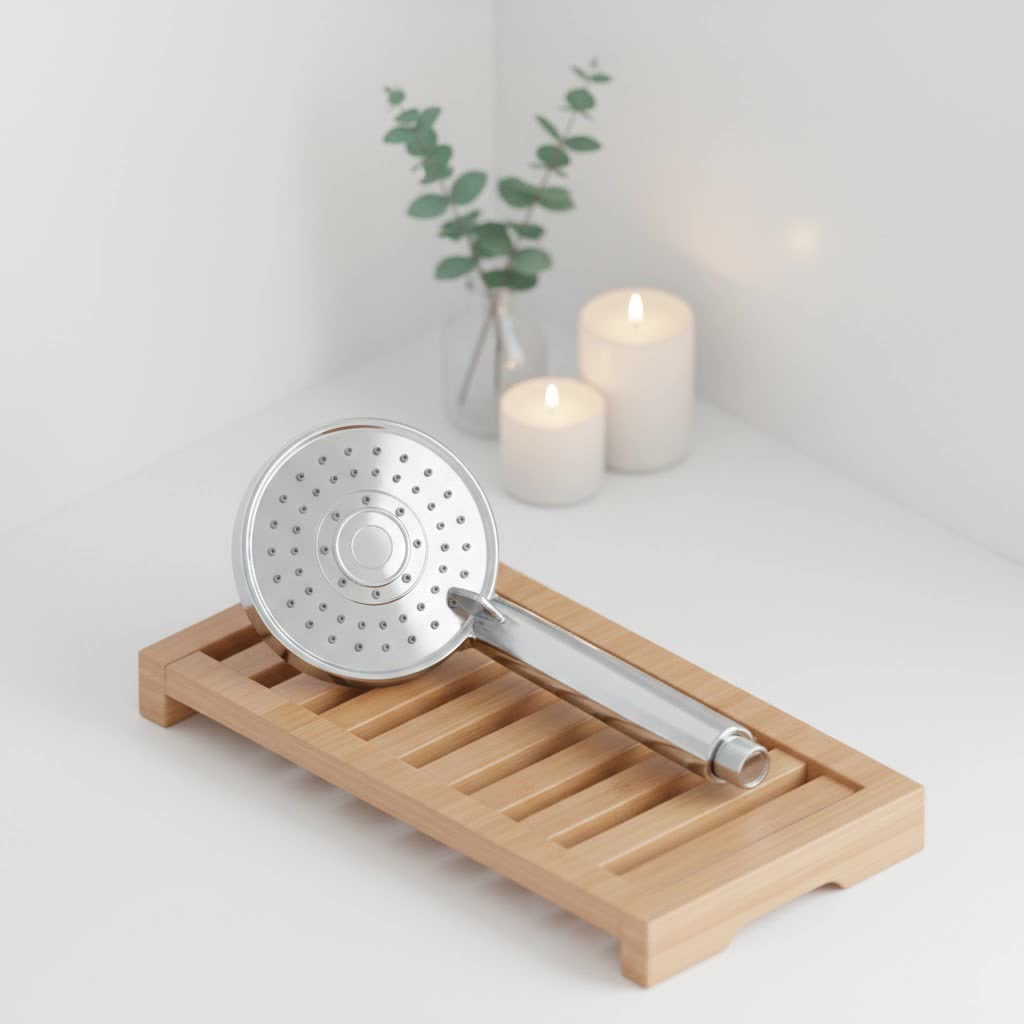
After a long day, stepping into a shower that perfectly caters to your needs is more than a luxury; it’s a necessity. From invigorating blasts to gentle mists, the right water flow can wash away stress and rejuvenate your body. This is where the magic of an Adjustable Shower Head comes into play, offering unparalleled convenience, comfort, and customization for every member of your household. Whether you’re seeking to optimize water pressure, conserve water, or simply enjoy a more versatile showering experience, understanding the world of adjustable shower heads can transform your bathroom into a personal oasis. This comprehensive guide will explore the diverse types, essential buying considerations, top brands, and practical installation and maintenance tips to help you find your perfect adjustable shower companion.
Adjustable Shower Head: Overview and Evolution
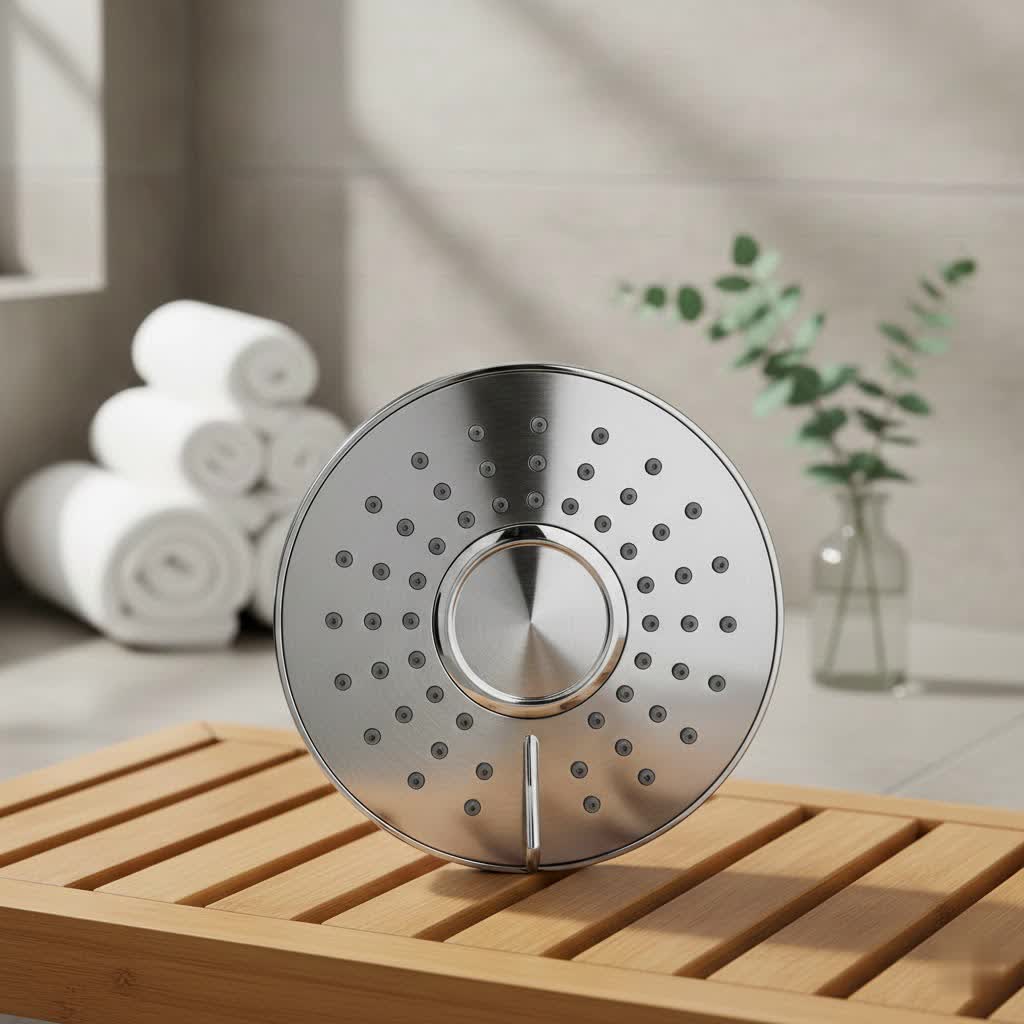
Shower heads have come a long way from simple fixed spouts, evolving into sophisticated fixtures designed for personalized comfort. The concept of an “adjustable shower head” primarily refers to two key aspects: the ability to change spray patterns and water intensity, and in many cases, the physical height or angle of the shower head itself.
Historically, shower heads offered a singular, unchangeable spray. However, as plumbing technology advanced and consumer demand for tailored experiences grew, manufacturers introduced mechanisms allowing users to rotate a dial or toggle a lever to switch between various spray settings. Further innovations brought handheld units with flexible hoses and sliding rail systems, providing unprecedented control over the water’s direction and height. Today, adjustable shower heads are integral to modern bathrooms, providing a versatile solution that accommodates different preferences and physical needs, ensuring a comfortable and efficient shower for everyone.
Classifying Adjustable Shower Heads by Function and Design
The market offers a wide array of adjustable shower heads, each designed with specific functions and aesthetics in mind. Understanding these categories is crucial for making an informed decision that aligns with your lifestyle.
Fixed Shower Heads with Adjustable Spray
These are the most common type, mounted permanently to the wall or ceiling, but featuring a dial or lever that allows you to change the spray pattern and intensity.
- Pros: Simplicity and stability are key advantages, providing a consistent water source without the need for a hose. They often come with various spray patterns, from a gentle rain to a powerful jet.
- Cons: Their limited physical adjustability means the height and angle are mostly static, which might not be ideal for households with significant height differences.
|
Our Picks for the Best Shower Head in 2026
We may earn a commission when you use one of our links to make a purchase.
|
||
| Num | Product | Action |
|---|---|---|
| 1 | SparkPod Shower Head - High Pressure Rain - Premium Quality Luxury Design - Easy Clean Adjustable Replacement for Your Bathroom Shower Heads (Elegant Brushed Nickel, 6 Inch Round) |

|
| 2 | SparkPod Shower Head - High Pressure Rain - Premium Quality Luxury Design - Easy Clean Adjustable Replacement for Your Bathroom Shower Heads (Luxury Polished Chrome, 6 Inch Round) |
|
| 3 | High Pressure Rain Shower Head: Upgrade Shower Heads with Handheld Spray Combo with Fixed Showerhead and 10 Sprays Handheld Shower Head, Detachable Shower head Built-in Power Jets |
|
| 4 | Cobbe All Metal Shower Head with Handheld – Solid Stainless Steel 3-Mode High Pressure Showerhead, Detachable Wand with 59" Hose & Adjustable Bracket Water Saving Eco-Flow, Brushed Nickel |
|
| 5 | High Pressure Rain Shower Head: Upgrade Shower Heads with Handheld Spray Combo with Fixed Showerhead and 10 Sprays Handheld Shower Head, Detachable Showerheads Built-in Magnetic Docking and Power Jets |
|
| 6 | SparkPod Shower Head - High Pressure Rain - Premium Quality Luxury Design - Easy Clean Adjustable Replacement for Your Bathroom Shower Heads (Egyptian Gold, 6 Inch Round) |
|
| 7 | SparkPod Shower Head - High Pressure Rain - Premium Quality Luxury Design - Easy Clean Adjustable Replacement for Your Bathroom Shower Heads (Charcoal Grey, 6 Inch Round) |
|
| 8 | Shower Head with Handheld High Pressure, Rain Shower Head with Fixed Showerhead and 9 Sprays Handheld Shower, Detachable 2-IN-1 Shower head with 59" Rotatable Stainless Steel Hose (Chrome) |
|
| 9 | SparkPod Shower Head - High Pressure Rain - Premium Quality Luxury Design - Easy Clean Adjustable Replacement for Your Bathroom Shower Heads (Midnight Black Matte, 6 Inch Round) |
|
| 10 | High Pressure Rain Shower Head: Upgrade Shower Heads with Handheld Spray Combo with Fixed Showerhead and 10 Sprays Handheld Shower Head, Detachable Showerheads Built-in Magnetic Docking and Power Jets |
|
Handheld Shower Heads
Connected to the wall mount by a flexible hose, handheld shower heads offer superior versatility and control.
- Pros: Their flexibility allows for targeted rinsing, making them perfect for bathing children or pets, assisting individuals with mobility challenges, and simplifying shower area cleaning.
- Cons: They can sometimes be more prone to leaks over time due to the extra connections and moving parts, and some users might perceive slightly lower water pressure compared to fixed units due to water traveling through the hose.
High-Pressure Adjustable Shower Heads
Designed to amplify water pressure, these shower heads are a blessing for homes with weak water flow.
- Mechanism: They often employ innovative internal designs, such as specialized nozzles or flow restrictors, to increase the velocity of water exiting the head, creating a more forceful spray. Many also include adjustable spray settings.
- Benefits: They deliver an invigorating and powerful shower experience, which can also make rinsing soap and shampoo more efficient, potentially leading to shorter shower times. They are particularly suitable for homes struggling with low water pressure.
Water-Saving Adjustable Shower Heads
These fixtures are engineered to reduce water consumption without sacrificing performance.
- Technology: They utilize technologies like pressure-compensating flow regulators and aeration, which mix air with water, to maintain a satisfying spray while using significantly less water (typically 1.5-2.0 GPM compared to the standard 2.5 GPM).
- Benefits: Beyond environmental advantages, these shower heads offer significant economic benefits by lowering water and heating bills over time.
Massage Adjustable Shower Heads
For those seeking therapeutic relief, massage shower heads provide targeted, pulsating streams.
- Modes: They typically feature several distinct massage modes, from a rhythmic pulse that soothes sore muscles to a concentrated jet for deep tissue relaxation.
- Benefits: The primary advantages are relaxation and health benefits, as the massaging action can relieve body aches, stimulate blood circulation, and reduce overall stress after a long day.
Filtered Adjustable Shower Heads
These shower heads incorporate an inline filter to purify the water as it passes through.
- Purpose: The filters work to remove impurities such as chlorine, sediment, and heavy metals, which can be harsh on skin and hair.
- Benefits: Users often report healthier skin and hair, as the purified water helps maintain natural oils. Additionally, filtering can reduce limescale buildup in the shower head and surrounding fixtures, extending their lifespan.
Rail Shower Heads (Height Adjustable)
A specialized type, rail shower heads combine the flexibility of a handheld unit with a fixed vertical bar, allowing for easy height adjustment.
- Pros: They offer unparalleled height adjustability, catering to individuals of all heights, from children to tall adults. This design also provides a sleek, modern aesthetic and can often include multi-function spray settings.
- Cons: Installation can be more complex than standard fixed or handheld units, potentially requiring professional assistance and a higher initial cost due to the additional hardware.
Comparison Table of Adjustable Shower Head Types
To help you visualize the differences, here’s a detailed comparison of common adjustable shower head types:
| Feature | Fixed with Adj. Spray | Handheld | High-Pressure | Water-Saving | Massage | Filtered | Rail System (Height Adj.) |
|---|---|---|---|---|---|---|---|
| Function | Changes spray patterns/intensity | Targeted rinsing, flexible | Boosts water force, adjustable spray | Reduces GPM, maintains spray | Pulsating/targeted streams | Removes impurities from water | Height adjustment, targeted spray |
| Design | Wall/ceiling mounted | Hose-connected, detachable | Wall/ceiling mounted, often compact | Various (fixed, handheld) | Various (fixed, handheld) | Inline filter | Vertical bar mount with handheld |
| Price Range | $20 – $200 | $30 – $300+ | $30 – $150+ | $40 – $250+ | $30 – $200+ | $50 – $200+ | $200 – $700+ |
| Pros | Simple, stable, various sprays | Versatile, great for cleaning/bathing, accessible | Invigorating, good for low pressure, efficient rinsing | Eco-friendly, lower utility bills, often good performance | Relieves muscle pain, relaxation, improved circulation | Healthier skin/hair, reduces limescale, purifies water | Accommodates all heights, modern aesthetic, highly versatile |
| Cons | Limited physical flexibility | Potential for leaks, perceived lower pressure, more components | Can increase hot water use, mineral buildup in small nozzles | Might feel less powerful to some users, longer rinse times | Not for everyone, can be intense | Requires filter replacement, higher initial cost | Complex installation, higher cost, more maintenance potential |
| Overall Score | 3.5/5 | 4/5 | 4/5 | 4/5 | 3.5/5 | 4/5 | 4.5/5 |
Factors to Consider When Buying an Adjustable Shower Head (Buying Guide)
Choosing the perfect adjustable shower head involves more than just picking a pretty design. Several key factors must align with your home’s plumbing, your personal preferences, and your budget.
Water Pressure
Understanding your home’s water pressure is fundamental.
- Check your home’s pressure: Low water pressure (below 40 PSI) might benefit significantly from a high-pressure shower head, while homes with adequate pressure can choose from a wider variety.
- Choose a suitable shower head: Some adjustable shower heads are specifically designed to optimize performance in low-pressure environments, while others might feel weak if your pressure is already struggling.
Material
The material of your shower head impacts its durability, longevity, and aesthetic appeal.
- Common types: Plastic (ABS thermoplastic resin) is lightweight and affordable, often used for handheld components to prevent heat transfer. Metals like brass, stainless steel, chrome, brushed nickel, and bronze offer superior durability, corrosion resistance, and a more luxurious feel.
- Pros and Cons: While plastic is budget-friendly and won’t get hot to the touch, metal finishes are more robust and can elevate your bathroom’s look. Consider how well the material will resist hard water stains and corrosion in your environment.
Functions and Spray Settings
The core of an adjustable shower head lies in its ability to offer diverse spray experiences.
- Explore options: Common settings include rain, massage (pulsating), mist, full spray, and water-saving trickle modes. Some advanced models may offer even more specialized options.
- Match to your needs: Do you seek a gentle, immersive rinse, or a powerful, invigorating massage? The choice depends on your desired daily shower experience and any specific needs, such as muscle relaxation.
Size and Design
The physical dimensions and aesthetic style should complement your bathroom.
- Space considerations: Larger shower heads, like rain showers, require more overhead clearance. Handhelds need adequate hose length.
- Style integration: From modern minimalist designs to classic, ornate fixtures, ensure the shower head’s finish (e.g., polished chrome, matte black, brushed nickel) and shape (round, square) blend seamlessly with your existing bathroom decor.
Brand and Price
Investing in a reputable brand often translates to better quality and customer support.
- Trusted brands: Leading manufacturers like Moen, Delta, Kohler, and Waterpik are known for their innovation and reliability.
- Budgeting: Shower heads range widely in price. While basic models are affordable, premium options with advanced features, durable materials, and sophisticated designs will command a higher price. Balance desired features with your budget, remembering that durability can save money in the long run.
Ease of Installation and Cleaning
A user-friendly design can save you time and hassle.
- Installation: Many adjustable shower heads are designed for DIY installation, requiring only basic tools like an adjustable wrench and thread seal tape. However, complex systems like rail showers might necessitate professional plumbing.
- Maintenance: Look for features like self-cleaning nozzles (often silicone-based) that resist mineral buildup, making them easy to wipe clean and ensuring consistent performance over time.
Top Adjustable Shower Head Brands
Several brands consistently stand out for their quality, innovation, and user satisfaction in the adjustable shower head market:
- Moen: Known for innovative features like Magnetix docking systems for handheld showers and a wide range of stylish finishes.
- Delta: Offers technologies such as H2Okinetic, which creates the feeling of more water while actually conserving it, and In2ition dual shower head systems.
- Kohler: Provides multifunctional models with robust construction and a variety of aesthetic designs, often with multiple spray settings.
- Waterpik: Renowned for high-pressure shower heads and dual systems that offer numerous adjustable spray options for an invigorating experience.
- Speakman: Popular for their Anystream technology, allowing easy transitions between intense, pulsating, and combination sprays with a simple handle rotation.
These brands often lead with durable materials and user-centric designs, ensuring a long-lasting and satisfying shower experience.
Installation and Maintenance Guide for Adjustable Shower Heads
Installing and maintaining your adjustable shower head doesn’t have to be a daunting task. With a few simple steps, you can ensure optimal performance and longevity.
Step-by-Step Installation
Most adjustable shower heads are designed for straightforward DIY installation.
- Gather Tools and Materials: You’ll typically need an adjustable wrench or pliers, thread seal tape (Teflon tape), and your new shower head with all its components.
- Remove the Old Shower Head: First, turn off the water supply to your shower. Then, grip the old shower head and rotate it counter-clockwise. If it’s too tight, use your wrench. Clean any old tape or residue from the shower arm threads.
- Apply Thread Seal Tape: Wrap thread seal tape clockwise two to three times around the threads of the shower arm. This ensures a watertight seal and prevents leaks.
- Install the New Shower Head:
- For Fixed Shower Heads with Adjustable Spray: Screw the new shower head onto the shower arm and hand-tighten. Then, use your wrench for an additional quarter-turn if needed, being careful not to overtighten, especially with plastic fittings.
- For Handheld Shower Heads: Screw the handheld shower mount onto the shower arm (after applying thread seal tape) and hand-tighten. Connect the flexible hose to the mount and the handheld unit, hand-tightening these connections as well. Place the handheld unit in its mount.
- For Rail Shower Systems: These are more involved. After removing the old head, you’ll install the wall-supply elbow to the shower arm. Then, you’ll need to mark and drill holes for the slide bar mounting brackets, typically securing them with screws and wall anchors. Finally, attach the flexible hose and clip the handheld into the slide-lock mechanism. Always refer to the manufacturer’s specific instructions for rail systems.
- Check for Leaks: Turn the water supply back on and test your new shower head for any leaks. If leaks occur, gently tighten the connections further.
“Many modern shower heads are designed for easy, tool-free installation, making it a simple upgrade anyone can handle.”
Maintenance Tips
Regular maintenance will keep your adjustable shower head functioning perfectly for years.
- Clean Nozzles Regularly: The most common issue is mineral buildup from hard water clogging the nozzles. Many modern adjustable shower heads feature self-cleaning silicone nozzles that allow you to simply wipe away mineral deposits with your fingers or a cloth. For tougher buildup, soak the shower head (or just the faceplate if removable) in a solution of white vinegar and water.
- Avoid Harsh Chemicals: Use mild cleaners for the exterior finish to prevent damage. A soft cloth and soapy water are usually sufficient.
- Check for Leaks: Periodically inspect connections for drips or leaks. Tighten any loose connections and replace worn-out washers or O-rings as needed.
- Clean Hoses (for Handhelds): Ensure the flexible hose of a handheld shower head is free from kinks and periodically wipe it down to prevent mold or mildew growth.
Conclusion
An adjustable shower head is a versatile and valuable addition to any bathroom, offering a customizable and comfortable showering experience for all. From the simplicity of fixed heads with multiple spray patterns to the comprehensive flexibility of rail systems, there’s an option to suit every preference and need. By considering factors such as water pressure, material, spray settings, design, and ease of installation and maintenance, you can confidently choose a fixture that not only elevates your daily routine but also adds lasting value to your home. Upgrade your shower today and discover the profound difference a truly personalized water flow can make. What kind of adjustable shower head will transform your daily routine?
Câu Hỏi Thường Gặp
Are adjustable shower heads worth the investment?
Yes, adjustable shower heads are highly recommended. They offer enhanced comfort and convenience by allowing you to customize spray patterns and often height, accommodating diverse user preferences and improving the overall showering experience for everyone in the household.
How do adjustable shower heads save water?
Many adjustable shower heads are designed with water-saving features, such as low-flow restrictors or aerating technologies. These innovations reduce the gallons per minute (GPM) used while maintaining satisfying water pressure and coverage, leading to significant savings on your water and energy bills.
Can I install an adjustable shower head myself, or do I need a plumber?
Most standard fixed and handheld adjustable shower heads are designed for easy DIY installation and can be fitted with basic tools like an adjustable wrench and thread seal tape. More complex systems, like rail shower heads, may involve drilling and could benefit from professional installation, though many homeowners still tackle them successfully.
What are the best spray settings for muscle pain relief?
For muscle pain relief, look for adjustable shower heads that offer a “massage” or “pulsating” spray setting. These modes deliver concentrated, rhythmic streams of water that can help to relax tense muscles, improve circulation, and alleviate discomfort, turning your shower into a therapeutic experience.
How often should I clean my adjustable shower head?
To maintain optimal performance and prevent mineral buildup, it’s recommended to clean your adjustable shower head every 2-4 weeks, especially if you have hard water. Many modern shower heads feature silicone nozzles that can be easily wiped clean with your fingers or a cloth, while a vinegar soak can tackle more stubborn deposits.
What is a rail shower head, and how does it adjust?
A rail shower head features a handheld shower unit mounted on a vertical bar or rail system. The shower head can slide up and down this bar, allowing users to easily adjust its height to suit different individuals, from children to adults, providing excellent versatility and a customized showering experience.