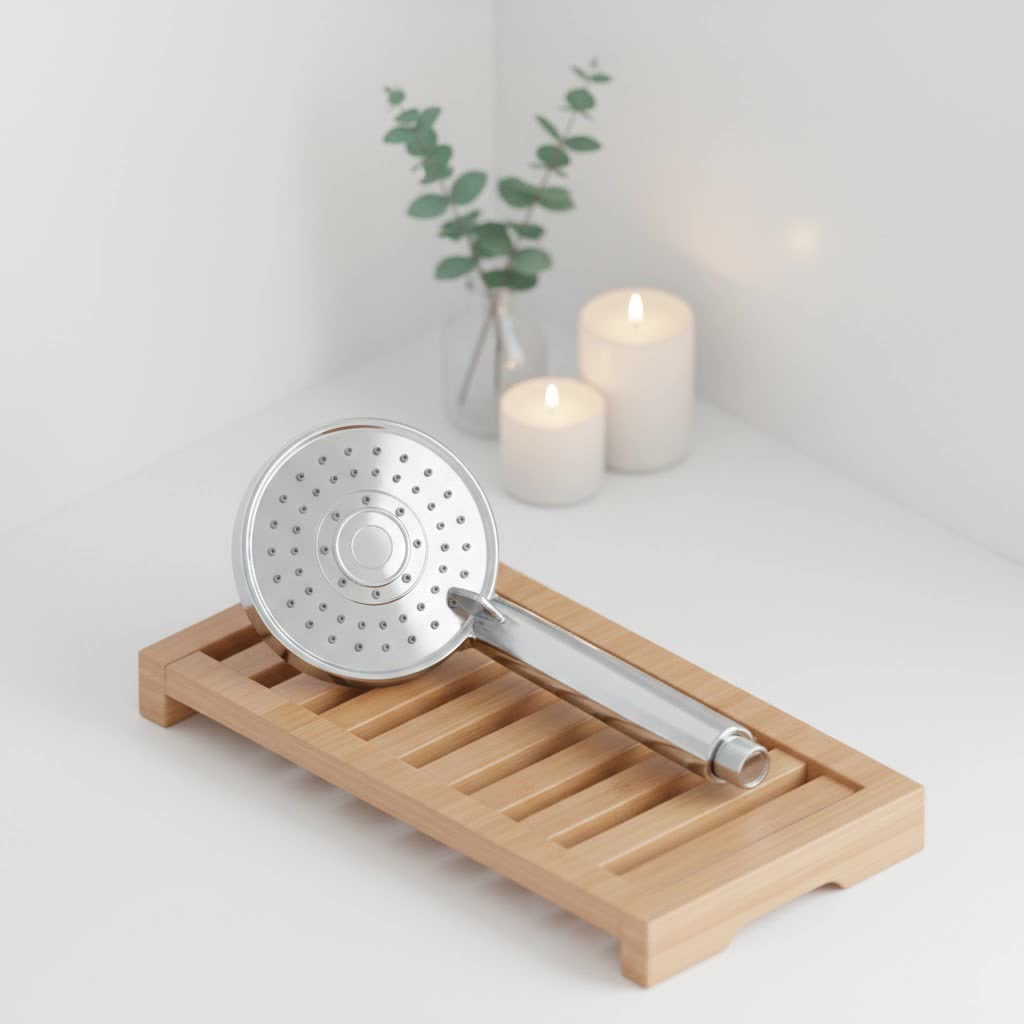
Few things are as frustrating as stepping into the shower, anticipating a refreshing cascade, only to be met with a disappointing dribble. Low water pressure can turn a daily ritual into a mundane chore, leaving you feeling less than thoroughly rinsed and revitalized. Fortunately, a weak shower doesn’t have to be your permanent reality. Modern shower heads are ingeniously engineered to overcome the challenges of low water pressure, transforming a lackluster spray into a powerful, invigorating experience.
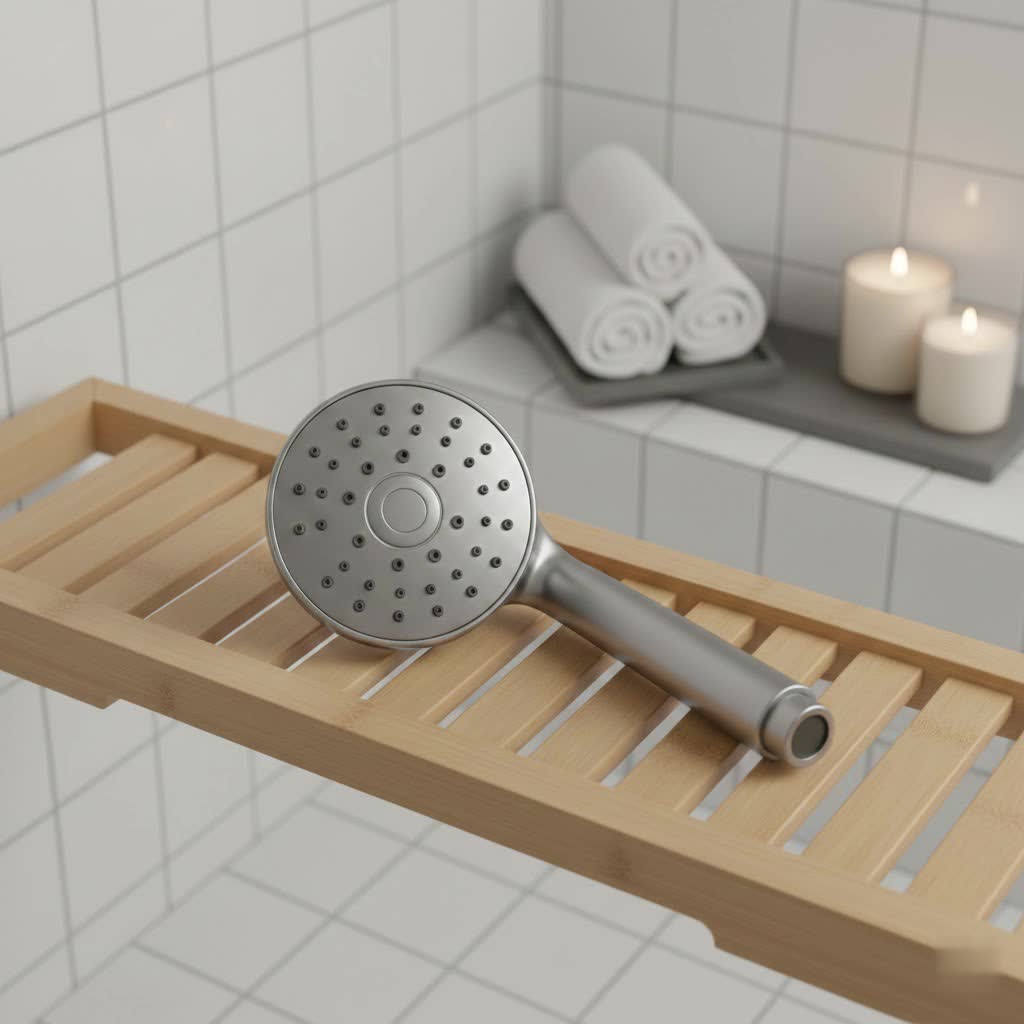
This comprehensive guide will navigate the world of shower heads designed specifically for homes with low water pressure. We’ll explore how these innovative fixtures work, the different types available, key features to prioritize in your selection, and even offer insights into top brands. By the end, you’ll be equipped with the knowledge to choose the perfect shower head and elevate your daily shower from frustrating to fantastic.
Shower Heads: An Overview and Evolution
A shower head is the primary fixture responsible for delivering water in your shower space, transforming raw water flow into a soothing or stimulating spray. For centuries, the concept of bathing involved simple pours or basic spouts. However, the modern shower head has undergone a significant evolution, moving from rudimentary designs to sophisticated systems that not only conserve water but also enhance the user experience, particularly in environments plagued by low water pressure.
The fundamental challenge with low water pressure is delivering a satisfying volume and force of water through the shower head. Early designs often struggled with this, resulting in weak, ineffective sprays when pressure was inadequate. Today’s innovations, however, leverage advanced fluid dynamics and material science to optimize water delivery. This evolution has led to a diverse market, offering a variety of shower head types—fixed, handheld, rain, high-pressure, water-saving, massage, and filtered—each designed with specific functionalities to cater to different preferences and solve common issues like insufficient water pressure.
Classifying Shower Heads by Function and Design
Understanding the various types of shower heads is the first step toward finding the ideal solution for low water pressure. Each category offers distinct advantages and caters to different showering needs.
Fixed Shower Heads
|
Our Picks for the Best Shower Head in 2026
We may earn a commission when you use one of our links to make a purchase.
|
||
| Num | Product | Action |
|---|---|---|
| 1 | Cobbe All Metal Shower Head with Handheld – Solid Stainless Steel 3-Mode High Pressure Showerhead, Detachable Wand with 59" Hose & Adjustable Bracket Water Saving Eco-Flow, Brushed Nickel |

|
| 2 | SparkPod Shower Head - High Pressure Rain - Premium Quality Luxury Design - Easy Clean Adjustable Replacement for Your Bathroom Shower Heads (Egyptian Gold, 6 Inch Round) |
|
| 3 | SparkPod Shower Head - High Pressure Rain - Premium Quality Luxury Design - Easy Clean Adjustable Replacement for Your Bathroom Shower Heads (Charcoal Grey, 6 Inch Round) |
|
| 4 | SparkPod Shower Head - High Pressure Rain - Premium Quality Luxury Design - Easy Clean Adjustable Replacement for Your Bathroom Shower Heads (Midnight Black Matte, 6 Inch Round) |
|
| 5 | High Pressure Rain Shower Head: Upgrade Shower Heads with Handheld Spray Combo with Fixed Showerhead and 10 Sprays Handheld Shower Head, Detachable Shower head Built-in Power Jets |
|
| 6 | SparkPod Shower Head - High Pressure Rain - Premium Quality Luxury Design - Easy Clean Adjustable Replacement for Your Bathroom Shower Heads (Elegant Brushed Nickel, 6 Inch Round) |
|
| 7 | SparkPod Shower Head - High Pressure Rain - Premium Quality Luxury Design - Easy Clean Adjustable Replacement for Your Bathroom Shower Heads (Luxury Polished Chrome, 6 Inch Round) |
|
| 8 | High Pressure Rain Shower Head: Upgrade Shower Heads with Handheld Spray Combo with Fixed Showerhead and 10 Sprays Handheld Shower Head, Detachable Showerheads Built-in Magnetic Docking and Power Jets |
|
| 9 | High Pressure Rain Shower Head: Upgrade Shower Heads with Handheld Spray Combo with Fixed Showerhead and 10 Sprays Handheld Shower Head, Detachable Showerheads Built-in Magnetic Docking and Power Jets |
|
| 10 | Shower Head with Handheld High Pressure, Rain Shower Head with Fixed Showerhead and 9 Sprays Handheld Shower, Detachable 2-IN-1 Shower head with 59" Rotatable Stainless Steel Hose (Chrome) |
|
Fixed shower heads are the most common type, mounted directly to the wall on a shower arm. They offer a stable, consistent water flow from a singular position. Their straightforward design often makes them robust and reliable. While they lack the flexibility of a handheld unit, many modern fixed shower heads are engineered with internal mechanisms to boost pressure, making them a strong contender for low-pressure environments. Popular designs include standard wall-mounted units and larger, overhead rain shower heads that can still deliver a powerful drenching effect if specifically designed for low pressure.
Handheld Shower Heads
Handheld shower heads offer unparalleled versatility, as they can be detached from their mount for greater control over the water spray. This flexibility is invaluable for rinsing hard-to-reach areas, cleaning the shower, or bathing children and pets. For homes with low water pressure, many handheld models incorporate pressure-boosting technologies, delivering a focused and invigorating stream. They typically feature multiple spray settings, allowing users to switch between different intensities and patterns.
High-Pressure Shower Heads
When battling weak water flow, high-pressure shower heads are often the ultimate solution. These specialized fixtures are engineered to maximize the force of water, even when the incoming pressure is minimal. They achieve this through several mechanisms:
- Narrow Internal Passages: By constricting the water’s path, the velocity of the water increases as it exits the nozzles.
- Aerating Technology: Many designs mix air into the water stream, creating a fuller, more voluminous spray that feels powerful without actually using more water. This air-water mixture can feel much more robust than a thin stream of pure water.
- Laminar Flow: Some utilize individual, accelerated streams of water that maintain warmth and deliver a focused, forceful spray without the mist associated with aerating models.
- Optimized Nozzle Design: Specific nozzle patterns and materials (like proprietary silicone nozzles) can create a more concentrated and impactful spray.
These shower heads are specifically designed to provide an invigorating shower experience, making them perfect for homes where the existing water pressure is a persistent issue.
Water-Saving Shower Heads
Often, water-saving shower heads are confused with those that offer weak pressure. However, modern water-saving designs are often highly effective at delivering a strong spray while conserving water. The Environmental Protection Agency (EPA) awards its WaterSense label to shower heads that use 2.0 gallons per minute (GPM) or less, a significant reduction from older models that could use up to 10 GPM. Many high-performing, low-pressure shower heads actually fall into this water-saving category, utilizing technologies like flow restrictors (which can sometimes be removed, though local regulations should always be checked) and aerators to maintain pressure while reducing water consumption. This provides both environmental and economic benefits by lowering water and heating bills.
Massage Shower Heads
Massage shower heads typically feature adjustable settings that produce pulsating or targeted streams of water. These focused sprays are designed to soothe sore muscles and provide a therapeutic, spa-like experience. For those with low water pressure, a massage setting can often feel more powerful than a wide rain spray, as the water is concentrated into specific, high-velocity jets. The ability to switch between different massage modes allows for a customizable and invigorating shower, even when general water pressure is low.
Filtered Shower Heads
Filtered shower heads incorporate filtration systems to remove impurities such as chlorine, sediment, and heavy metals from the water. Beyond the health and aesthetic benefits for skin and hair, filtration can indirectly benefit low water pressure situations by preventing mineral buildup and clogs within the shower head itself. A clear, unobstructed pathway ensures consistent water flow and helps maintain the intended pressure of the shower head’s design. Many filtered shower heads are also engineered to maintain or even boost pressure, ensuring that water quality improvement doesn’t come at the expense of spray intensity.
Comparing Popular Shower Head Types
Here’s a comparison to help you differentiate between various shower head types and their suitability for low water pressure.
| Type | Function | Design Notes | Pros | Cons | Low Pressure Suitability |
|---|---|---|---|---|---|
| Fixed Shower Head | Consistent, stationary water delivery | Wall-mounted, various sizes (e.g., standard, rain) | Sturdy, often simple to install, reliable | Lacks flexibility, less directability | Yes (if pressure-optimized) |
| Handheld Shower Head | Flexible, directable water stream | Detachable from mount, often on a hose | Versatile for rinsing, cleaning, bathing pets/kids | May require more complex installation (slide bar) | High |
| High-Pressure Shower Head | Maximizes water force | Specific internal designs, narrower nozzles | Invigorating spray, effective with weak input pressure | Can sometimes use more water (check GPM) | Very High |
| Water-Saving Shower Head | Reduces water consumption | Flow restrictors, aerators | Eco-friendly, lower utility bills, often effective pressure | Older models might compromise pressure | High (modern designs) |
| Massage Shower Head | Targeted, pulsating water streams | Multiple spray modes, often adjustable | Soothes muscles, therapeutic, concentrated force | Not always ideal for full body coverage | Medium to High |
| Filtered Shower Head | Purifies water, removes impurities | Integrated filter cartridge, often multi-stage | Healthier skin/hair, prevents clogs, maintains flow | Requires filter replacement | Yes (if pressure-optimized) |
Essential Factors When Selecting a Shower Head (Buying Guide)
Choosing the Best Shower Head For Low Water Pressure involves more than just picking a stylish design. Several critical factors should influence your decision to ensure you get a truly satisfying shower experience.
Water Pressure Assessment
Before you even start shopping, it’s crucial to understand your home’s existing water pressure. A simple DIY check involves turning on other faucets (like in the bathroom sink or kitchen) to see if they also exhibit low pressure. If the issue is isolated to the shower, a new shower head is likely the fix. If all faucets suffer, you might have a broader plumbing problem. Many shower heads require a minimum water pressure, often around 40 PSI, to function effectively. Choosing a shower head specifically marketed for “low water pressure” ensures its design compensates for weaker input.
Material Quality
The durability and longevity of your shower head largely depend on its material.
- Brass and Stainless Steel: These are premium choices, known for their exceptional durability, resistance to corrosion, and ability to withstand hard water conditions without significant wear. Brands like HammerHead Showers often utilize these robust metals.
- Plastic: While more affordable, plastic shower heads may not last as long and can be more prone to cracking or mineral buildup over time. Opting for higher-quality materials ensures your investment pays off with years of reliable performance.
Functionality and Spray Settings
The variety of spray settings available can significantly enhance your shower. Look for models that offer:
- Rainfall: A broad, drenching spray that can still feel luxurious with good pressure-boosting technology.
- Massage/Jet: Concentrated, powerful streams ideal for muscle relaxation and feeling thoroughly rinsed.
- Mist: A fine, gentle spray for a more soothing experience.
- Pause/Trickle: A handy feature that temporarily reduces water flow to a trickle while you lather or shave, saving water without losing your desired temperature.
Adjustable nozzles are key, allowing you to customize the water flow to your preference, which is particularly beneficial when dealing with variable pressure.
Size and Aesthetic Design
Consider the size of the shower head in relation to your bathroom space and personal preference. Larger rain shower heads can offer wider coverage, but for low pressure, their design must explicitly include pressure-boosting features. The aesthetic design should complement your bathroom’s decor, whether you prefer modern, classic, or minimalist styles.
Brand Reputation and Cost
Investing in a reputable brand often translates to higher quality, better performance, and reliable customer support. Brands like Moen, Delta, High Sierra, and HammerHead Showers are frequently cited for their effective low-pressure solutions. While price shouldn’t be the only determining factor, balancing your budget with the quality and features offered will lead to the best long-term satisfaction. Remember, a slightly higher initial investment can save you from future frustration and replacement costs.
Ease of Installation and Maintenance
A user-friendly design makes installation straightforward, often requiring minimal tools and providing clear instructions for a DIY setup. Look for shower heads with self-cleaning nozzles, typically made of silicone, which allow you to simply wipe away mineral buildup. This feature is crucial for maintaining consistent flow and preventing clogs, ensuring your shower head performs optimally for years to come.
Leading Shower Head Brands for Enhanced Pressure
Several manufacturers have excelled in designing shower heads that defy the limitations of low water pressure, consistently delivering powerful and satisfying sprays.
HammerHead Showers is frequently highlighted for its robust, solid metal construction (often stainless steel and brass) and proprietary silicone nozzles designed to pressurize water effectively. Their range includes handheld, rain, and fixed shower heads, many offering a 2.5 GPM flow rate to provide a significant pressure boost. They even offer filtered options that maintain pressure while purifying water.
High Sierra Showerheads are renowned for their efficient, high-impact performance. These shower heads deliver an invigorating, full-cone spray pattern with large, energetic water droplets, often at a water-saving 1.5 or 1.8 GPM. Their clog-proof, all-metal construction makes them durable and resistant to hard water buildup, ensuring consistent performance over time.
Moen offers innovative solutions such as the Moen Velocity, which uses “immersion technology” to infuse air into the water stream, creating a strong, drenching flow that feels much more powerful than the actual pipe pressure. Their products often feature adjustable spray settings and easy-clean nozzles, reflecting a commitment to both performance and user convenience.
Delta is another trusted brand that provides effective low-pressure options, including versatile 2-in-1 combo units. These often pair an adjustable shower head with a handheld wand, giving users flexibility and control, even with weaker water flow.
These brands demonstrate that a powerful shower is achievable regardless of your home’s inherent water pressure challenges, through thoughtful engineering and quality materials.
Installation and Maintenance Tips for Your Shower Head
Optimizing your shower experience doesn’t end with choosing the right fixture; proper installation and routine maintenance are crucial for sustained performance, especially in low water pressure scenarios.
Step-by-Step Installation
Installing a new shower head is typically a straightforward DIY task that can be completed in minutes.
- Remove the Old Shower Head: Twist the old shower head counter-clockwise to unscrew it. You might need an adjustable wrench if it’s too tight.
- Clean the Shower Arm Threads: Use a small brush or old toothbrush to remove any old Teflon tape or mineral buildup from the shower arm’s threads.
- Apply New Plumber’s Tape: Wrap plumber’s tape (Teflon tape) clockwise around the threads of the shower arm 3-4 times. This creates a watertight seal and prevents leaks.
- Attach the New Shower Head: Screw the new shower head onto the shower arm clockwise by hand until it’s snug. Avoid over-tightening, as this can damage the threads.
- Test for Leaks: Turn on the water and check for any drips around the connection. Tighten slightly with a wrench if necessary, being careful not to strip the threads.
Extending Shower Head Lifespan
Regular maintenance is key to keeping your shower head performing optimally, especially in areas with hard water that can cause mineral buildup.
- Regular Cleaning: For shower heads with silicone nozzles, simply wiping them with your hand or a cloth after each shower can prevent mineral deposits from hardening.
- Deep Cleaning/Descaling: If mineral buildup (limescale) occurs, fill a plastic bag with white vinegar and secure it around the shower head, ensuring the nozzles are submerged. Let it soak for a few hours or overnight. Remove the bag, scrub any remaining deposits with an old toothbrush, and run hot water to flush out the loosened minerals.
Troubleshooting Common Issues
Even with the best shower head, occasional issues can arise.
- Reduced Flow: If your pressure suddenly drops, first check if the issue is isolated to the shower. If so, inspect the shower head for clogs, especially if you haven’t cleaned it recently. If your shower head has a removable flow restrictor, ensure it’s not clogged or improperly installed (though removing it may violate local water conservation regulations).
- Leaks: Ensure the plumber’s tape was applied correctly and the connection is tight but not overtightened.
- Sputtering: This could indicate air in the pipes or a partial clog. Sometimes, removing and reinstalling the shower head can clear minor air pockets. If persistent, it might signal a deeper plumbing issue requiring professional assistance.
Conclusion
A weak, unsatisfying shower due to low water pressure no longer has to be a fact of life. With the innovations in modern plumbing, specifically engineered shower heads offer powerful solutions to transform your daily routine. By understanding the different types—from the versatile handheld to the focused high-pressure models—and by prioritizing features like durable materials, adjustable spray settings, and pressure-boosting technologies, you can reclaim the invigorating shower experience you deserve. Remember to assess your home’s specific needs, consider reputable brands, and commit to simple maintenance for lasting performance.
What difference will a powerful, consistent shower make to your daily routine?
Frequently Asked Questions
What does GPM mean for a shower head, and why is it important for low water pressure?
GPM stands for Gallons Per Minute, indicating the volume of water flowing from your shower head each minute. For low water pressure, a higher GPM (up to the legal maximum, typically 2.5 GPM) can translate to a more forceful spray, as more water is being delivered. However, innovative low-flow shower heads (often 2.0 GPM or less) can still achieve strong pressure by optimizing water velocity or mixing air.
Can a low-flow shower head still provide strong pressure?
Absolutely. Modern low-flow shower heads are specifically designed to deliver a powerful and satisfying spray while conserving water. They achieve this through technologies like aerating water, creating smaller, faster streams, or employing internal pressure-boosting mechanisms, ensuring a robust feel without increasing water usage.
How do I know if my low water pressure is a shower head issue or a plumbing problem?
To determine the cause, test the water pressure at other faucets in your home, such as the kitchen sink or another bathroom. If the low pressure is only in your shower, it’s likely a shower head issue, possibly due to clogs or an inefficient design. If all faucets exhibit weak pressure, you might have a broader plumbing problem, like clogged pipes, a partially closed main valve, or issues with your water heater, which would require professional assessment.
Are there any DIY tricks to temporarily improve shower pressure?
Yes, a few simple DIY tricks can help. First, clean your current shower head thoroughly by soaking it in white vinegar to remove mineral buildup that might be obstructing flow. Second, check if your shower head has a flow restrictor; sometimes, carefully removing this small disc can temporarily increase pressure, but be aware of local water conservation regulations before doing so.
What materials are best for a durable, high-pressure shower head?
For durability and long-term performance, especially in low water pressure situations, shower heads made from solid metal, such as brass or stainless steel, are highly recommended. These materials are more resistant to corrosion, wear, and mineral buildup than plastic, ensuring the internal mechanisms and nozzles maintain their integrity and pressure-boosting capabilities over time.