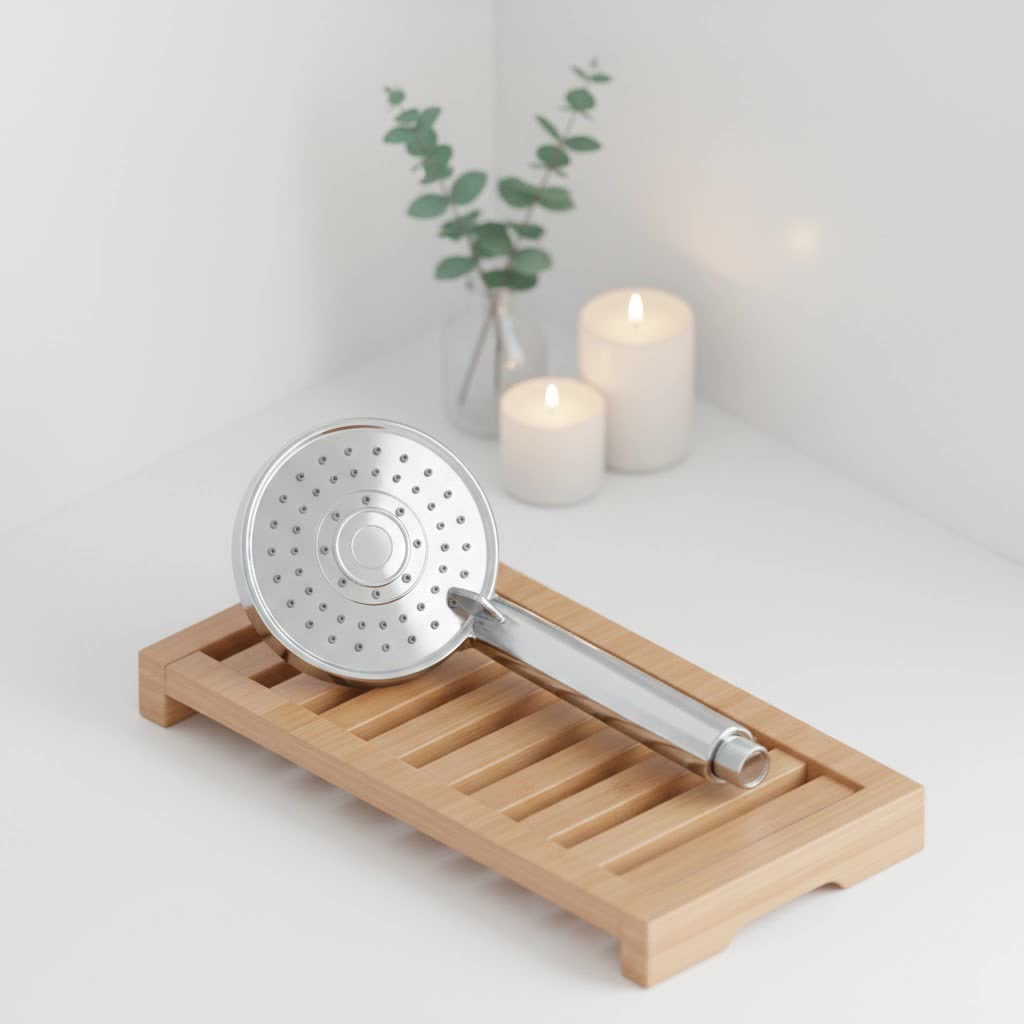
Imagine stepping into your shower and being enveloped by a gentle, widespread cascade of warm water, mimicking the soothing sensation of natural rain. This isn’t just a dream; it’s the everyday luxury a Rainfall Shower Head can bring to your bathroom. Far beyond a mere fixture, a rainfall shower head transforms your daily routine into an immersive, spa-like escape. This comprehensive guide will explore everything you need to know about these popular shower systems, helping you select and enjoy the perfect one for your home.
Rainfall Shower Head: Overview and Evolution
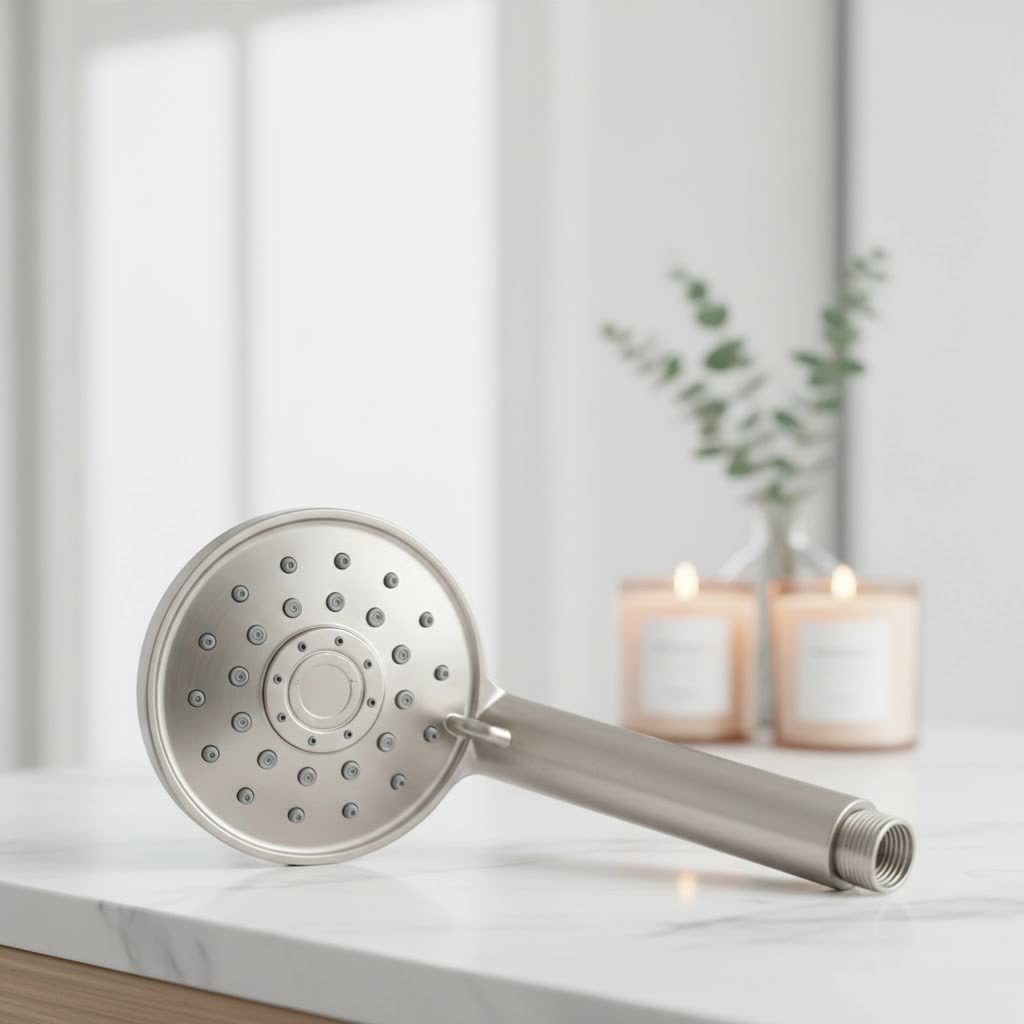
A rainfall shower head, often referred to simply as a rain shower, is designed to deliver a wide, gentle stream of water that mimics the soft, drenching sensation of falling rain. Unlike traditional shower heads that typically produce a more focused, high-pressure spray, rainfall models boast a larger diameter, ensuring broader body coverage and a more diffused water flow. What began as a luxury found in high-end spas and hotels has evolved into an accessible home upgrade, allowing countless individuals to bring a touch of indulgence into their private sanctuaries. These innovative fixtures have become synonymous with modern bathroom aesthetics and enhanced showering comfort.
The journey of the shower head, from basic plumbing fixtures to sophisticated wellness devices, has seen significant milestones. Early showers were rudimentary, focused purely on functionality. Over time, as plumbing technology advanced and consumer desires for comfort grew, various spray patterns and designs emerged. The rainfall shower head marks a pivotal point in this evolution, prioritizing sensory experience and relaxation. Today, the market offers a diverse range of rainfall shower heads, from minimalist designs to multi-functional units, catering to every preference and bathroom style.
Classifying Rainfall Shower Heads by Function and Design
Rainfall shower heads come in several forms, each offering distinct advantages and design aesthetics for your bathroom.
Fixed Rainfall Shower Heads
Fixed rainfall shower heads are the classic interpretation, mounted directly to the wall or ceiling, providing a static, overhead drenching experience. They are renowned for their sleek, often minimalist appearance, making them a centerpiece in modern bathroom designs.
- Pros: Delivers a consistent, luxurious downpour; provides a clean, uncluttered look; robust and durable once installed.
- Cons: Not adjustable in height or angle (without additional components); less versatile for specific tasks like rinsing off pets or cleaning the shower enclosure.
- Popular Designs: Large round or square panels, often in chrome, brushed nickel, or matte black finishes.
|
Our Picks for the Best Shower Head in 2026
We may earn a commission when you use one of our links to make a purchase.
|
||
| Num | Product | Action |
|---|---|---|
| 1 | SparkPod Shower Head - High Pressure Rain - Premium Quality Luxury Design - Easy Clean Adjustable Replacement for Your Bathroom Shower Heads (Elegant Brushed Nickel, 6 Inch Round) |

|
| 2 | High Pressure Rain Shower Head: Upgrade Shower Heads with Handheld Spray Combo with Fixed Showerhead and 10 Sprays Handheld Shower Head, Detachable Shower head Built-in Power Jets |
|
| 3 | Shower Head with Handheld High Pressure, Rain Shower Head with Fixed Showerhead and 9 Sprays Handheld Shower, Detachable 2-IN-1 Shower head with 59" Rotatable Stainless Steel Hose (Chrome) |
|
| 4 | High Pressure Rain Shower Head: Upgrade Shower Heads with Handheld Spray Combo with Fixed Showerhead and 10 Sprays Handheld Shower Head, Detachable Showerheads Built-in Magnetic Docking and Power Jets |
|
| 5 | SparkPod Shower Head - High Pressure Rain - Premium Quality Luxury Design - Easy Clean Adjustable Replacement for Your Bathroom Shower Heads (Egyptian Gold, 6 Inch Round) |
|
| 6 | SparkPod Shower Head - High Pressure Rain - Premium Quality Luxury Design - Easy Clean Adjustable Replacement for Your Bathroom Shower Heads (Luxury Polished Chrome, 6 Inch Round) |
|
| 7 | SparkPod Shower Head - High Pressure Rain - Premium Quality Luxury Design - Easy Clean Adjustable Replacement for Your Bathroom Shower Heads (Charcoal Grey, 6 Inch Round) |
|
| 8 | Cobbe All Metal Shower Head with Handheld – Solid Stainless Steel 3-Mode High Pressure Showerhead, Detachable Wand with 59" Hose & Adjustable Bracket Water Saving Eco-Flow, Brushed Nickel |
|
| 9 | High Pressure Rain Shower Head: Upgrade Shower Heads with Handheld Spray Combo with Fixed Showerhead and 10 Sprays Handheld Shower Head, Detachable Showerheads Built-in Magnetic Docking and Power Jets |
|
| 10 | SparkPod Shower Head - High Pressure Rain - Premium Quality Luxury Design - Easy Clean Adjustable Replacement for Your Bathroom Shower Heads (Midnight Black Matte, 6 Inch Round) |
|
Handheld Rainfall Shower Heads
While less common as standalone “rainfall” units, many shower systems integrate a rainfall shower head with a detachable handheld component. These combo units offer the best of both worlds: the broad coverage of a rainfall shower combined with the flexibility of a handheld sprayer.
- Pros: Offers versatility for targeted rinsing, cleaning, and bathing children or pets; provides options for different spray intensities.
- Cons: Can sometimes appear less seamless than a purely fixed unit due to the hose and holder; may require more components for installation.
- Features & Applications: Often includes multiple spray settings on the handheld unit, from gentle rain to focused massage, making them highly adaptable to varied needs.
High-Pressure Rainfall Shower Heads
For homes with naturally low water pressure, or for those who simply prefer a more invigorating rinse, high-pressure rainfall shower heads are specifically engineered to optimize flow. They typically achieve this through innovative internal designs or advanced nozzle technology that increases the velocity of the water.
- Mechanism: These shower heads use air-induction technology, narrower internal channels, or special nozzle configurations to intensify water flow without necessarily increasing the actual water volume (GPM).
- Benefits: Delivers a more forceful, satisfying spray even in low-pressure environments; ensures effective rinsing of shampoo and soap; can make the rainfall sensation more pronounced.
Water-Saving Rainfall Shower Heads
Concerned about water consumption? Many modern rainfall shower heads incorporate water-saving technologies without compromising the luxurious experience. These units often meet strict efficiency standards, such as the EPA’s WaterSense criteria.
- Technology: They typically feature flow restrictors that limit the gallons per minute (GPM) — commonly to 1.8 GPM or less — while maintaining an enjoyable shower. Some utilize optimized spray patterns or aeration to make a lower volume of water feel more substantial.
- Benefits: Reduces water bills and environmental impact; allows for longer, guilt-free showers; helps meet local water conservation regulations.
Massage Rainfall Shower Heads
For those seeking therapeutic benefits, some rainfall shower heads or combo systems offer integrated massage functions. These aren’t typically a widespread rainfall pattern but a secondary mode or a feature within a multi-function shower head.
- Massage Modes: Features pulsating, jet, or focused spray settings designed to target sore muscles, relieve tension, and stimulate circulation.
- Health & Relaxation: Provides a dual benefit of relaxation from the rainfall and therapeutic relief from massage, enhancing overall well-being and aiding in stress reduction.
Filtered Rainfall Shower Heads
Maintaining healthy skin and hair often depends on water quality. Filtered rainfall shower heads are designed to address concerns about chlorine, sediment, and other impurities present in tap water.
- Filtration System: Incorporates a filter, often replaceable, that removes chlorine, heavy metals, and other contaminants before the water reaches your skin and hair.
- Benefits: Reduces skin dryness and irritation; prevents hair damage and color fading; can improve the overall purity and smell of your shower water.
Comparison Table of Rainfall Shower Head Types
| Feature / Type | Fixed Rainfall | Handheld Rainfall (Combo) | High-Pressure Rainfall | Water-Saving Rainfall | Massage Rainfall (Combo) | Filtered Rainfall |
|---|---|---|---|---|---|---|
| Function | Overhead, immersive rain | Dual: overhead rain + targeted spray | Enhanced flow for stronger rain | Eco-friendly, reduced GPM rain | Dual: rain + therapeutic pulse | Clean water, immersive rain |
| Design | Sleek, minimalist, often large disc | Overhead disc with separate handheld on hose | Varies, often with optimized nozzles | Standard rainfall look, internal restrictor | Overhead disc with adjustable nozzles | Standard rainfall look, integrated filter |
| Price Range | Mid to High | Mid to High (often higher for combo) | Mid to High | Mid to High | Mid to High | Mid to High |
| Pros | Full body coverage, aesthetic, simple | Versatile, great for cleaning/rinsing hair | Great for low pressure, invigorating | Environmentally friendly, lower utility bills | Relaxation, muscle relief | Better for skin/hair, removes impurities |
| Cons | Non-adjustable, less functional flexibility | Hose/holder can be visually intrusive | Can feel less “gentle” than true rain | May feel less powerful to some users | Massage mode may reduce “rain” feel | Requires filter replacement, potential flow reduction |
| Overall Experience | Pure, uninterrupted spa-like experience | Flexible luxury with added utility | Robust, stimulating rainfall | Conscious indulgence | Soothing and therapeutic | Health-focused, pure relaxation |
Factors to Consider When Buying a Rainfall Shower Head (Buying Guide)
Choosing the right rainfall shower head involves more than just aesthetics. Consider these crucial factors to ensure your selection perfectly matches your needs.
Water Pressure
The existing water pressure in your home is paramount. A rainfall shower head disperses water over a larger area, which can make the pressure feel lower if your home’s water supply isn’t adequate.
- Checking Pressure: You can test your home’s water pressure with a simple gauge available at hardware stores.
- Choosing Wisely: If you have low water pressure, opt for models specifically designed to enhance pressure, or consider a dual system that combines a rainfall head with a more forceful spray option. Conversely, if your pressure is high, almost any rainfall head will provide a robust flow.
Material
The material of your shower head impacts its durability, appearance, and ease of maintenance.
- Common Materials:
- Plastic (ABS): Lightweight, affordable, but less durable and may show wear faster.
- Metal (Brass/Stainless Steel): Highly durable, corrosion-resistant, provides a premium feel and lasts longer. Brass is excellent for internal components.
- Finishes: Chrome (common, shiny), brushed nickel (matte, fingerprint-resistant), matte black (modern, bold), bronze (traditional, warm).
- Considerations: Higher quality materials generally lead to a more robust product and better performance over time. Ensure the finish matches your existing bathroom fixtures for a cohesive look.
Functions and Spray Modes
While the primary function is “rainfall,” many models offer additional spray patterns or features for enhanced utility.
- Rainfall: The core gentle, wide coverage.
- Massage: Pulsating or focused streams for therapeutic benefits.
- Misting/Soft Spray: Ultra-fine, gentle mist for a different sensory experience.
- Water-Saving Mode: Restricts flow for efficiency.
- Selection: Think about your daily showering habits. Do you prefer a singular, consistent rain, or would you benefit from the versatility of multiple settings?
Size and Design
Rainfall shower heads come in various sizes and shapes, affecting both coverage and bathroom aesthetics.
- Sizes: Diameters typically range from 6 to 12 inches, with some larger models exceeding 20 inches. Larger heads offer wider coverage.
- Shapes: Round and square are the most common.
- Aesthetics: Choose a size and shape that complements your bathroom’s scale and design theme. A large shower head can make a statement in a spacious bathroom, while a smaller, sleeker one might be better for compact spaces. Consider wall-mounted for simplicity or ceiling-mounted for a truly immersive, minimalist look.
Brands and Price
Investing in a reputable brand often guarantees better quality, performance, and customer support.
- Trusted Brands: Delta, Moen, Grohe, Kohler, and Fontana are well-known for their durable and stylish shower heads. Brands like SparkPod and Dream Spa also offer popular options.
- Pricing: Prices vary significantly based on material, brand, size, and additional features. Set a budget, but remember that a slightly higher investment can lead to a more satisfying and longer-lasting product.
Ease of Installation and Cleaning
Consider how easily the shower head can be installed and maintained.
- Installation: Many wall-mounted rainfall shower heads are designed for DIY installation, often requiring only basic tools like an adjustable wrench and plumber’s tape. Ceiling-mounted systems or those requiring new plumbing might necessitate professional help.
- Cleaning: Look for shower heads with silicone nozzles that are easy to wipe clean, preventing mineral buildup and clogs. Models with anti-limescale features reduce maintenance effort.
Top Popular Rainfall Shower Head Brands
When it comes to elevating your showering experience with a rainfall shower head, several brands consistently stand out for their quality, innovation, and design.
- Delta Faucet: Known for pioneering H2Okinetic technology, Delta offers rainfall shower heads that maximize water efficiency while providing a drenching spray. Their dual shower head systems are particularly popular.
- Moen: Moen combines sleek designs with reliable performance. Their Velocity collection often includes rainfall options with multiple spray functions, blending style with user-centric features.
- Grohe: A German brand synonymous with luxury and precision engineering, Grohe’s rainfall shower heads are celebrated for their sophisticated aesthetics and consistent water delivery.
- Kohler: Kohler offers a wide range of rainfall shower heads, from minimalist designs to those with advanced spray engines, focusing on durability and a refined user experience.
- Fontana Showers: Specializing in high-end bathroom fixtures, Fontana Showers is often praised for its diverse collection of rainfall shower systems, catering to modern, spa-like bathroom designs.
- SparkPod & Dream Spa: These brands are frequently highlighted for providing excellent value, combining strong water pressure with easy installation, making luxury more accessible.
Each brand brings its unique strengths to the market, offering various finishes, sizes, and features to suit diverse preferences and bathroom styles.
Rainfall Shower Head Installation and Maintenance Guide
Upgrading to a rainfall shower head can be a straightforward process for wall-mounted units, while ceiling-mounted options might require a bit more effort. Proper maintenance ensures longevity and optimal performance.
Step-by-Step Installation
For most wall-mounted rainfall shower heads, DIY installation is achievable with basic tools.
- Gather Your Tools: You’ll need an adjustable wrench, plumber’s tape (PTFE tape), a cloth or towel, and possibly a step ladder.
- Turn Off Water Supply: Locate the main water shut-off valve for your bathroom or home and turn it off to prevent leaks during installation.
- Remove Old Shower Head: Turn your existing shower head counter-clockwise by hand. If it’s too tight, use your adjustable wrench. Be prepared for a small amount of residual water to drip out.
- Clean the Shower Arm: Thoroughly clean the threads on the shower arm, removing any old plumber’s tape or mineral buildup with a cloth or a wire brush. This ensures a tight, leak-free seal.
- Apply Plumber’s Tape: Wrap new plumber’s tape clockwise around the threads of the shower arm 3-4 times. Ensure it adheres firmly to create a watertight seal.
- Attach the New Rainfall Shower Head: Make sure the rubber washer is correctly seated inside the new rainfall shower head’s threaded connection. Screw the new shower head onto the shower arm by hand, turning clockwise until it’s snug.
- Tighten Connections: Use your adjustable wrench to tighten the shower head an additional quarter turn. Exercise caution not to overtighten, especially if components are plastic, to avoid stripping threads or damaging the finish. You can use a cloth between the wrench and the shower head to protect the finish.
- Test for Leaks: Turn the water supply back on slowly and check for any leaks around the connection points. If a leak occurs, tighten slightly more or reapply plumber’s tape.
Maintenance Tips for Longevity
Regular cleaning and care will keep your rainfall shower head performing beautifully for years.
- Regular Cleaning: To prevent mineral buildup (limescale) and clogs, regularly wipe down the shower head’s nozzles. Many modern shower heads feature silicone nozzles that allow you to simply rub away deposits with your finger.
- Deep Cleaning: For more stubborn buildup, you can unscrew the shower head and soak it in a solution of equal parts white vinegar and water for a few hours or overnight. Use an old toothbrush to scrub away any remaining deposits before rinsing thoroughly and reinstalling.
- Avoid Harsh Chemicals: Do not use abrasive cleaners, scouring pads, or harsh chemical solutions, as these can damage the finish of your shower head.
- Check for Leaks: Periodically inspect connections for drips or leaks and address them promptly by re-tightening or reapplying plumber’s tape.
“A rainfall shower head isn’t just about water; it’s about transforming a mundane daily task into a mindful moment of tranquility. The right model can fundamentally change how you start or end your day.” – Alex Chen, Reviewsnetic.com Plumbing Specialist
Conclusion
Embracing a rainfall shower head means more than just a bathroom upgrade; it’s an investment in daily luxury, relaxation, and an enhanced personal well-being. From its origins as a high-end amenity to its current status as an accessible home improvement, the rainfall shower head continues to captivate with its ability to transform a simple wash into an immersive, spa-like experience. By understanding the different types, carefully considering your needs, and following proper installation and maintenance guidelines, you can select the perfect rainfall shower head to suit your preferences and budget. Why settle for an ordinary shower when you can indulge in a refreshing, drenching rain every day?
Frequently Asked Questions
Do rainfall shower heads use more water than regular shower heads?
Not necessarily. While they offer wider coverage, many modern rainfall shower heads are designed with water efficiency in mind. Many models adhere to WaterSense standards, using 1.8 gallons per minute (GPM) or less, comparable to or even more efficient than some traditional shower heads. Always check the GPM rating when purchasing.
Can I install a rainfall shower head myself?
Yes, most wall-mounted rainfall shower heads are designed for straightforward DIY installation. You’ll typically need basic tools like an adjustable wrench and plumber’s tape. Ceiling-mounted units or those requiring new plumbing lines might be more complex and could benefit from professional installation.
What if I have low water pressure at home?
If you have low water pressure, look for rainfall shower heads specifically engineered for high pressure. These models often incorporate features like air induction or specialized nozzles to increase water velocity and deliver a more satisfying spray, even with a weaker supply. You might also consider a shower arm extension that angles the head downward to optimize flow.
How do I clean a rainfall shower head to prevent clogging?
Many rainfall shower heads feature flexible silicone nozzles that allow you to simply wipe away mineral buildup with your fingers. For a deeper clean, periodically remove the shower head and soak it in a white vinegar solution to dissolve limescale, then scrub with an old toothbrush.
Are rainfall shower heads suitable for small bathrooms?
While larger rainfall shower heads can feel expansive, many compact and sleek designs are available that fit perfectly into smaller bathrooms without overwhelming the space. Wall-mounted options are generally more space-efficient than ceiling-mounted ones in smaller areas.